
Resident doctors in England begin a four-day strike today, Monday 15 June 2026, and NHS England is telling patients not to delay emergency care. People with life-threatening symptoms should still call 999 or go to A&E, while urgent but non-life-threatening problems should start with NHS 111 online.
The walkout affects England only and involves resident doctors, not every doctor in the NHS. Patients with appointments, families caring for vulnerable people and anyone expecting hospital care this week should check local messages before travelling.
Strike dates and who is taking action
The strike is scheduled to run from Monday 15 June to Friday 19 June 2026. The Financial Times reported that it is the 16th stoppage by resident doctors since 2023.
The British Medical Association is seeking a 26% pay rise, while the government has described the strike as unnecessary. For patients, the immediate issue is service disruption rather than the pay dispute itself.
When to call 999, attend A&E or use NHS 111
NHS England’s patient advice is straightforward: emergency care remains open during the strike.
Use 999 or A&E for life-threatening emergencies, including symptoms such as suspected stroke, heart attack, severe breathing difficulty, heavy bleeding or major injury.
Use NHS 111 online first for urgent health problems that are not life-threatening. That route can direct patients to the right service, including urgent treatment centres, pharmacies, out-of-hours GP help or hospital care when needed.
What to check before travelling for an appointment
Patients should not assume an appointment is cancelled unless their NHS provider has told them. Hospitals and clinics usually contact patients directly if planned care needs to be rearranged.
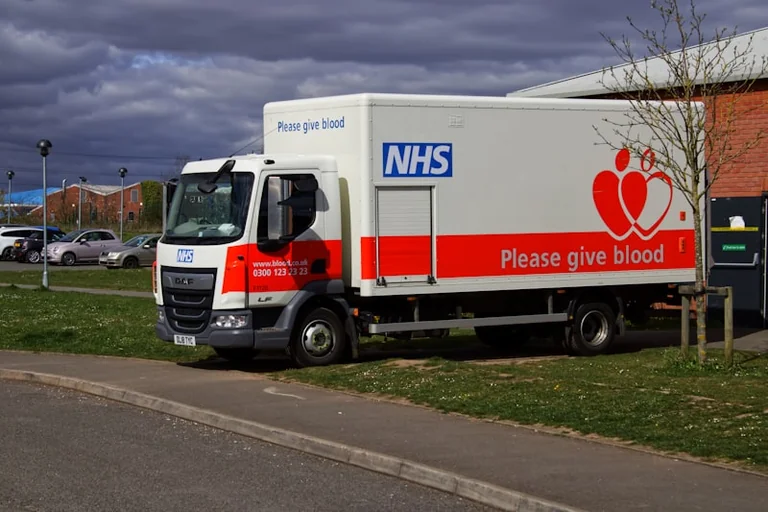
Before setting off, check:
- Text messages, letters, app notifications or emails from the NHS provider.
- The hospital or trust website for local service updates.
- Whether transport, childcare or caring cover can be adjusted if delays are likely.
- Whether the appointment is urgent, time-sensitive or part of ongoing treatment.
If no cancellation message has arrived, patients should normally attend as planned.
Services most likely to feel pressure
Strike action can affect hospital rotas, planned operations, outpatient clinics and waiting times in urgent and emergency care. Some non-urgent appointments may be postponed so staff can prioritise emergency, maternity, cancer and critical services.
A&E departments are already under strain. The Sun reported NHS figures showing May was the busiest month on record for A&E, with an average of 2,241 patients a day receiving corridor care and 669 a day in other overflow areas.
NHS reporting has also pointed to extra summer pressure, including hot weather and World Cup-related demand. That should not change the patient message: serious symptoms need urgent care, and people should not stay away because of the strike.
The wording matters for patients
This is a resident doctors strike in England, not a shutdown of the NHS. Emergency departments, ambulance services and urgent care routes remain available, although waits may be longer and some planned services may change.
The next thing patients should check is local NHS communication about their own appointment or service, especially if they are due to attend hospital between 15 and 19 June.
Source: The Sun
Context & actions About this article
Source check Source context
This article uses reported NHS England patient advice and published strike-date reporting for England.
- Strike dates checked against Financial Times reporting
- Patient advice checked against NHS England reporting cited by The Sun
- A&E pressure figures attributed to the published report
- Source
- The Sun
- Scope
- England
- Updated
- 2026-06-15 09:23
Source check
Report a trust issue
Send a clear signal to community moderation if the source, facts or context need review.
Article contextPeople & topics#6
What do you think about this article?
Reader Ideas Newsroom
Have a sharper angle for this topic? Add it to the community idea board and let readers vote it up for editorial review.




/linkComments
8+ useful words can earn +10-60 DP; shorter replies can still publish without DP.