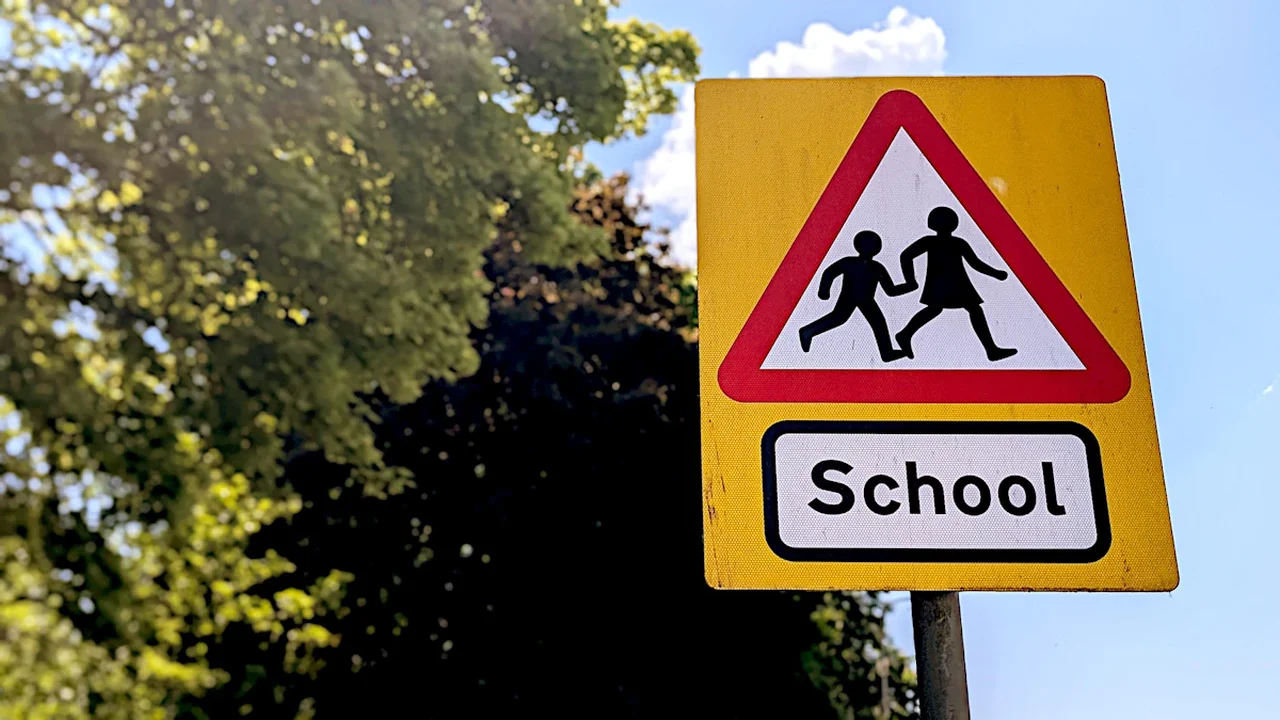
England’s new active travel strategy sets out a school-run shift for the next decade: more pupils walking, cycling or wheeling to class, backed by a planned £4.5bn over five years. Families, drivers, schools and councils should watch for local route plans, crossing proposals and school-street decisions rather than expecting immediate changes on every road.
The targets ministers have set for 2030 and 2035
| Target or measure | What it means |
|---|---|
| 60% of pupils travelling actively to school by 2035 | More children walking, cycling, scooting or wheeling instead of being driven for the school run. |
| 55% of shorter urban trips to include active travel by 2035 | More everyday local journeys are expected to include walking, cycling or wheeling. |
| 5,000 new routes by 2030 | Councils may bid for or develop more local walking and cycling routes. |
| 10,000 additional crossings by 2030 | New or improved crossings are planned nationally, but not guaranteed for every school or street. |
The plan applies to England, not the whole UK. Delivery will depend on national funding, local schemes and decisions by councils working with schools, residents and transport bodies.
Who may be affected by the school-run strategy
Parents may see more consultation on safer routes to school, school streets, zebra crossings and traffic-calming measures. Schools could be asked to support travel plans, walking routes, cycle parking or drop-off changes.
Drivers should expect local changes to be managed street by street. That could mean new crossings, altered side-road layouts, restrictions near school gates at certain times, or clearer priority for pedestrians and cyclists in selected areas.
Councils are likely to be central because they decide where crossings, routes and road-space changes are most needed. The Times reported that the plan includes changes linked to simpler zebra crossings on side roads, while The Guardian reported the wider 2030 and 2035 targets.
What parents and drivers should check locally
The national strategy does not mean every school will automatically receive a new crossing. Practical next checks include:

- Whether your council publishes an active travel, school streets or safer routes programme.
- Whether your child’s school has a travel plan or is consulting parents on drop-off changes.
- Whether nearby junctions, side roads or crossings are listed for future works.
- Whether any proposed restrictions apply only during morning and afternoon school-run windows.
- How disabled access, cycling confidence and safe walking routes are being considered.
Cycling UK welcomed the plan but raised a gender gap warning
Cycling Weekly reported that Cycling UK welcomed the ambition but said the plan does not do enough to tackle the cycling gender gap. The group said women make around half as many bike trips as men.
That criticism matters because safer crossings and new routes may not be enough on their own. Lighting, route continuity, traffic speed, storage, confidence, harassment concerns and family-carrying needs can all affect who feels able to cycle.
The main caveat for this week’s school-run headlines
The numbers are national targets, not immediate guarantees. The most important dates are 2030 for the planned crossings and routes, and 2035 for the active school-travel and shorter-trip targets.
For households, the useful next move is local: check council transport papers, school newsletters and consultation pages. Those will show whether a national target is turning into a crossing, route or restriction near your school.
Frequently Asked Questions
What is England trying to change about the school run?
The plan is about making it easier and safer for more children in England to walk, cycle, scoot or wheel to school instead of relying on car journeys. It does not mean every school will get immediate road changes. The practical aim is to reduce danger, congestion and short car trips by funding local routes, crossings and school-area safety schemes over several years.
How can I check whether my child’s school could get a safer crossing or route?
Start with your local council’s transport, highways or active travel pages, then look for school street consultations, walking and cycling route plans, or road safety schemes near your postcode. Parents can also ask the school whether it has a travel plan or has submitted safety concerns to the council. Useful evidence includes collision history, near misses, traffic speed, poor visibility, missing pavements, unsafe junctions and photos of school-gate congestion.
Will drivers face new restrictions near schools?
Possibly, but changes are expected to be local and street-specific. Some areas may see new zebra crossings, traffic calming, side-road changes, timed school street restrictions, altered parking rules or clearer pedestrian priority. Drivers should watch for council notices and new signs rather than assuming a national rule has changed on every school road.
What can residents do if they support or oppose a proposed school street or crossing?
Respond during the council consultation with specific, local evidence. Supporters should explain where children currently feel unsafe and what would improve the route. Objectors should raise practical issues such as access, disability needs, deliveries, displacement parking or emergency access, and suggest workable alternatives. General comments carry less weight than clear examples tied to exact roads, times and junctions.
When will the safer school-run changes actually happen?
The targets run toward 2030 and 2035, so delivery will be gradual. The next step is for councils to develop, fund, consult on and approve local schemes. For official updates, check your local council, your child’s school, the Department for Transport and Active Travel England rather than relying on national headlines alone.
Source: The Guardian
Context & actions About this article
Source check Source context
This article summarises reported targets, funding and caveats from national transport coverage of England's active travel strategy.
- Confirmed the 2035 active school-travel and shorter-trip targets reported by The Guardian.
- Checked reported 2030 figures for 5,000 routes and 10,000 crossings.
- Included Cycling UK's warning about the cycling gender gap.
- Separated England-only policy from any UK-wide interpretation.
- Source
- The Guardian
- Scope
- England
- Updated
- 2026-06-14 08:20
Source check
Report a trust issue
Send a clear signal to community moderation if the source, facts or context need review.
Article contextPeople & topics#7
What do you think about this article?
Reader Ideas Newsroom
Have a sharper angle for this topic? Add it to the community idea board and let readers vote it up for editorial review.




/linkComments
8+ useful words can earn +10-60 DP; shorter replies can still publish without DP.