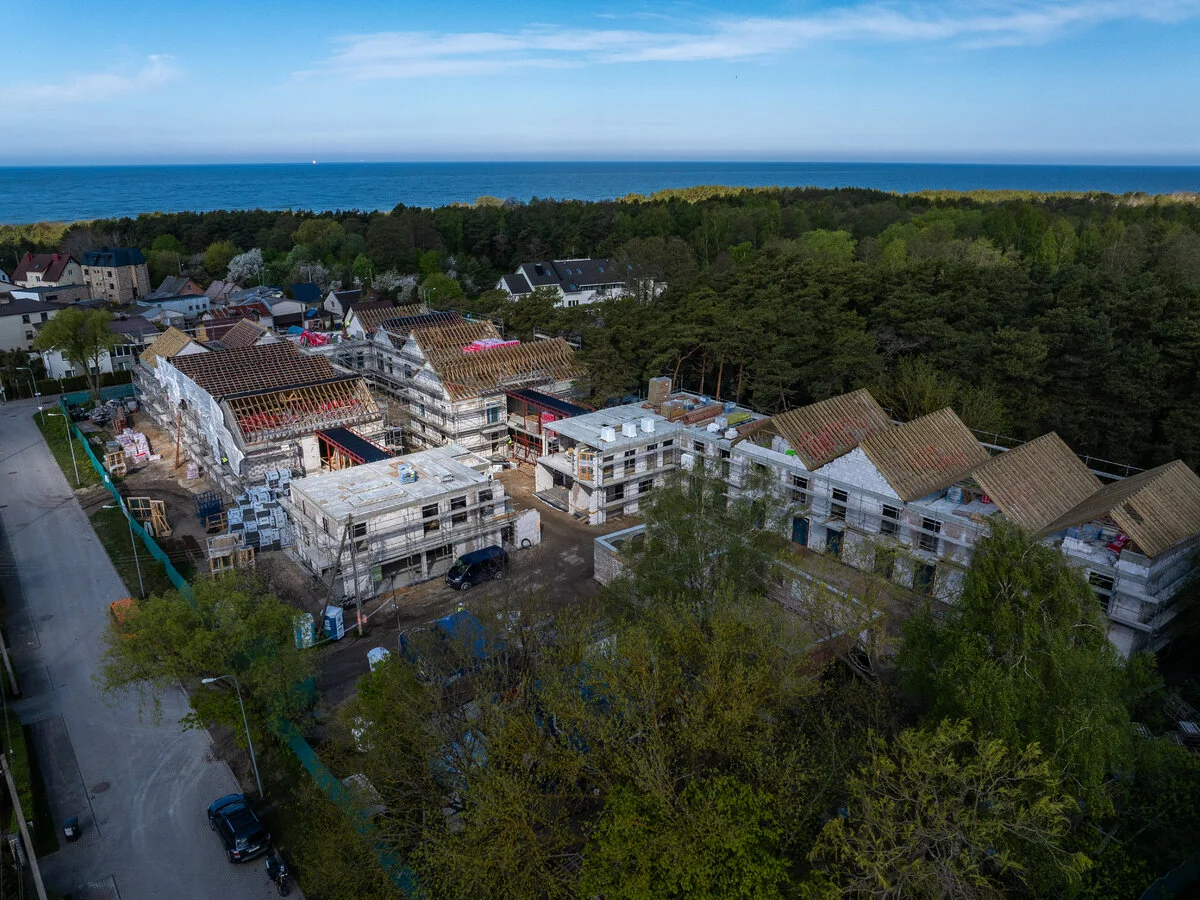
The Lithuanian port city of Klaipėda has initiated a major overhaul of its social infrastructure, moving away from traditional institutional care toward a more integrated “culture of help.” Mayor Arvydas Vaitkus recently conducted a site inspection of several key construction and reconstruction projects, signaling a strategic shift that prioritizes dignity, independence, and community-based support for seniors and residents with disabilities.
The city has officially designated 2026 as the “Year of Social Responsibility.” This policy framework aims to ensure that the municipality provides comprehensive support across all life stages, from families in crisis to seniors requiring specialized dementia care. The current wave of construction includes new senior care facilities, group living homes, respite centers, and social housing, representing a significant capital investment in the city’s social safety net.
Modernizing Senior Care and Dementia Support
A flagship project is currently rising in Melnragė, a coastal district known for its pine forests and proximity to the Baltic Sea. Located at Aušros St. 41, this new senior care home is designed to accommodate 81 residents. Notably, the facility includes a specialized wing for 12 individuals living with dementia, featuring dedicated environments tailored to safety and cognitive support.
The project, which is roughly 40% complete, utilizes modern ecological standards, including a geothermal heating system. Unlike older, isolated care institutions, the Melnragė home will feature open walking paths and landscaped recreation zones, allowing residents to maintain a connection with the natural environment. The project is being managed by UAB Versina with a total budget of €9.58 million, with completion scheduled for December 2024.
Transitioning to Community-Based Living
Klaipėda is also addressing the needs of residents with intellectual and mental disabilities by moving away from large-scale institutions. On Vilkija Street, new group living homes are under construction. These facilities are designed for just 10 residents at a time, mimicking a family environment where individuals are encouraged to live independently while remaining active members of the local community.
Additionally, a dual-purpose project is nearing completion on Debreceno Street. This site will house both a Family and Child Welfare Center and a new “Respite Home.” The latter provides temporary accommodation for eight individuals, allowing their primary family caregivers to take a necessary break from daily care duties. This “temporary relief” model is increasingly seen as vital for preventing caregiver burnout and keeping families together.
| Project Location | Type of Facility | Estimated Completion | Budget |
|---|---|---|---|
| Aušros St. 41 (Melnragė) | Senior & Dementia Care | December 2024 | €9.58m |
| Vilkija St. | Group Living (Disability) | 2025 | €1.3m |
| Debreceno St. 48 | Respite Care & Child Welfare | Late Summer/Autumn 2024 | ~€1.5m |
| Smiltelės St. 14 | Social Support Center | Late Summer 2024 | €1.5m |
| Akmenų St. 1B | Social Housing Apartments | Ongoing | TBC |
Infrastructure and Social Housing
The expansion also includes the relocation of the Klaipėda City Social Support Center to more spacious premises at Smiltelės St. 14. Moving out of the city’s main polyclinic building, the center will now have dedicated zones for meetings and staff operations, improving the efficiency of social service delivery. Final interior works, including the installation of suspended ceilings and window replacements, are expected to conclude within the next two months.
Furthermore, the city is expanding its social housing stock in the Tauralaukis district. A new apartment building at Akmenų St. 1B is part of a broader effort to reduce waiting lists for vulnerable families and individuals who require subsidized housing.
This infrastructure push reflects a wider trend across the Baltic states to align social services with Western European standards. By investing in smaller, specialized, and community-integrated facilities, Klaipėda is positioning itself as a leader in social welfare within the region, focusing on the human connection rather than just the provision of beds.
Source: Klaipėdos miesto savivaldybė
Context & actions About this article
Article contextPeople & topics1#5
What do you think about this article?
Reader Ideas Newsroom
Have a sharper angle for this topic? Add it to the community idea board and let readers vote it up for editorial review.



/linkComments
8+ useful words can earn +10-60 DP; shorter replies can still publish without DP.