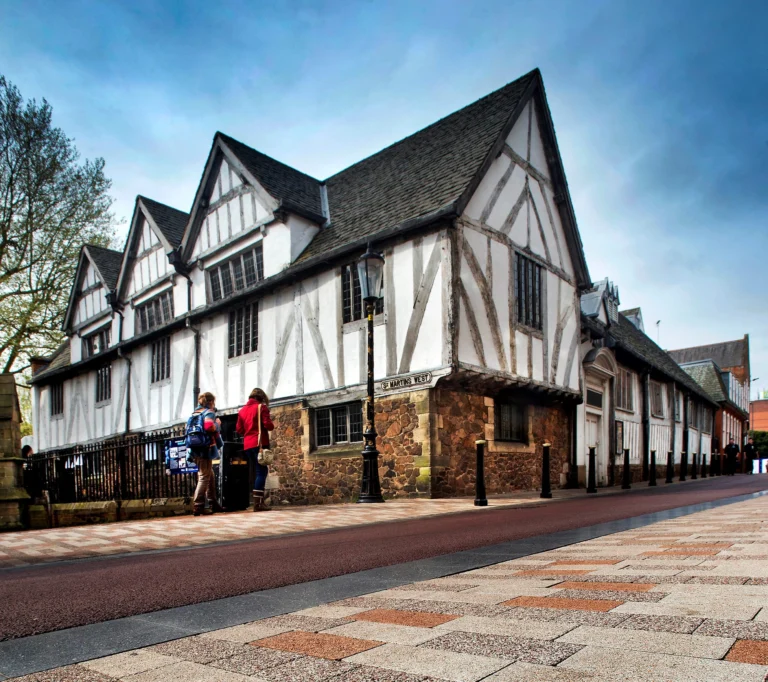
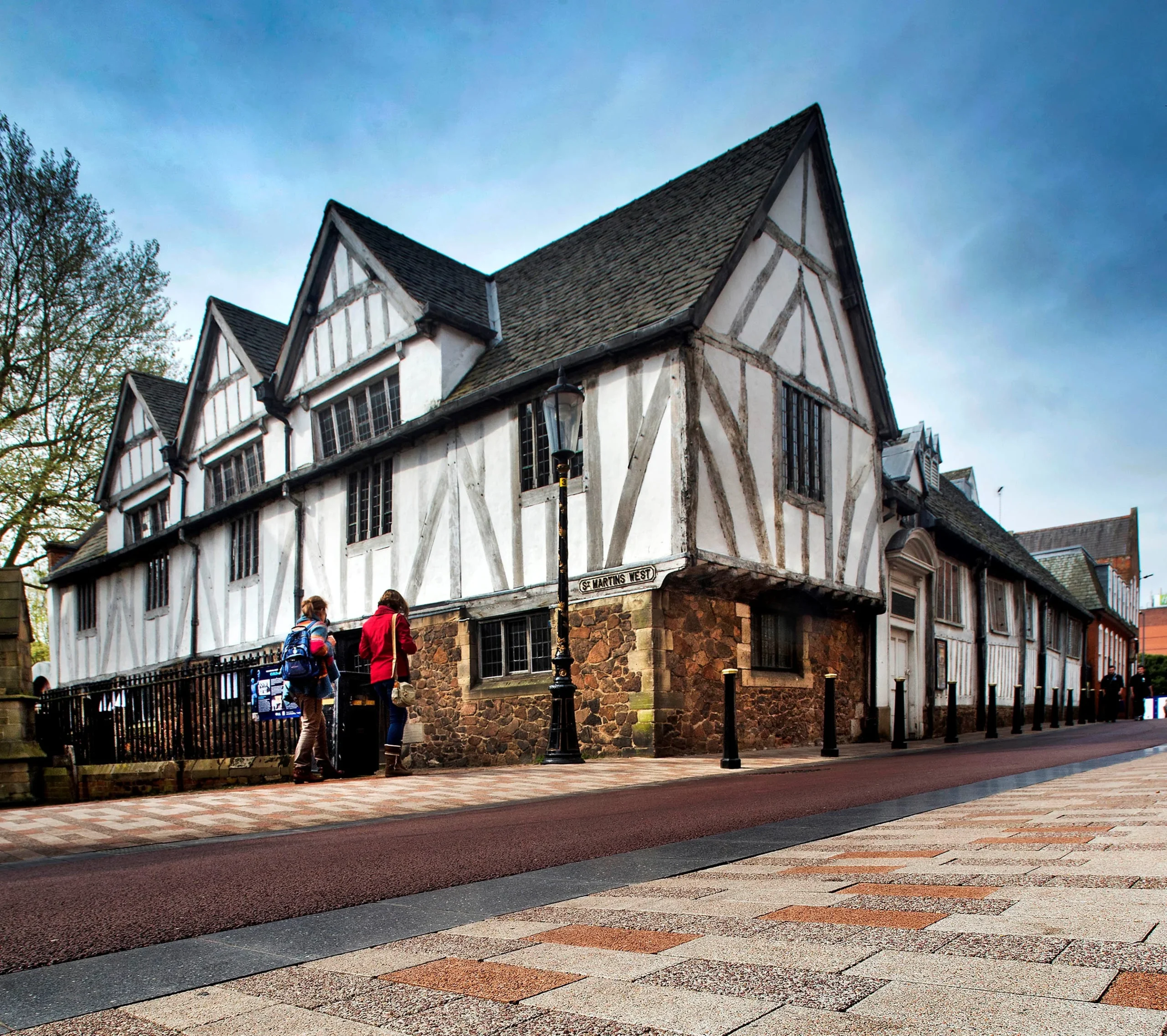
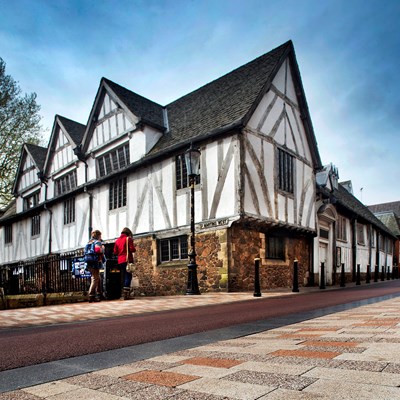
Leicester’s oldest landmark, a timber-framed hall dating back to 1390, is set to mark a century of public service as a museum. The Leicester Guildhall will host a full day of heritage activities on the May Day Bank Holiday, Monday 4 May, celebrating its 1926 transition from a threatened relic to a cultural hub.
Originally built as a meeting place for a powerful medieval guild, the site served as the city’s first town hall for over 300 years. It faced a demolition threat in the late 19th century after being replaced by the current Town Hall in 1876, but was saved following a high-profile restoration campaign.
Bank Holiday activities and medieval reenactments
The centenary event runs from 11am to 3pm, featuring a programme of free activities designed for all ages. Visitors can participate in maypole dancing in the courtyard, observe historical reenactments by the Redcoats & Revolutionaries, and listen to live medieval music performed by Damien Clark on the hammered dulcimer.
Members of the Leicester Archaeological & Historical Society will be on-site to provide expert insight into the building’s 600-year evolution. A free guided tour scheduled for 1pm will detail the specific restoration efforts of the 1920s that saved this medieval landmark from destruction. While most events are free, a small charge applies for face painting, and the 1pm tour requires advance booking.
Key milestones in Guildhall history
| Event | Date / Statistic |
|---|---|
| Original Construction | 1390 |
| Served as Leicester’s first Town Hall | 1563 – 1876 |
| Major Restoration Programme | 1922 – 1926 |
| Reopened as a Museum | 19 May 1926 |
| Designated Grade I Listed Building | 1950 |
| Annual Visitors (2025) | 66,000 |
Evening ceilidh and architectural legacy
The celebrations will conclude with a traditional ceilidh in the Great Hall starting at 4pm. The band 3Around3 will provide live music, with an expert caller on hand to guide participants through the steps. Tickets for the dance are priced at £5, though accompanied children may attend free of charge.
Assistant city mayor Cllr Vi Dempster noted the building’s precarious past, stating that the efforts of the Leicester Archaeological & Historical Society and city councillors a century ago were instrumental in its survival. Today, the site remains one of the best-preserved medieval timber-framed halls in the country.
The building previously housed the Leicester Borough Police from 1836 and continues to serve as a performance venue alongside its role as a museum. Tickets for the evening dance and bookings for the guided tour are managed through the city’s museum service portal.
Source: Leicester City Council