Lithuania to Ban Sales of Non-Alcoholic Beer and Wine to Minors
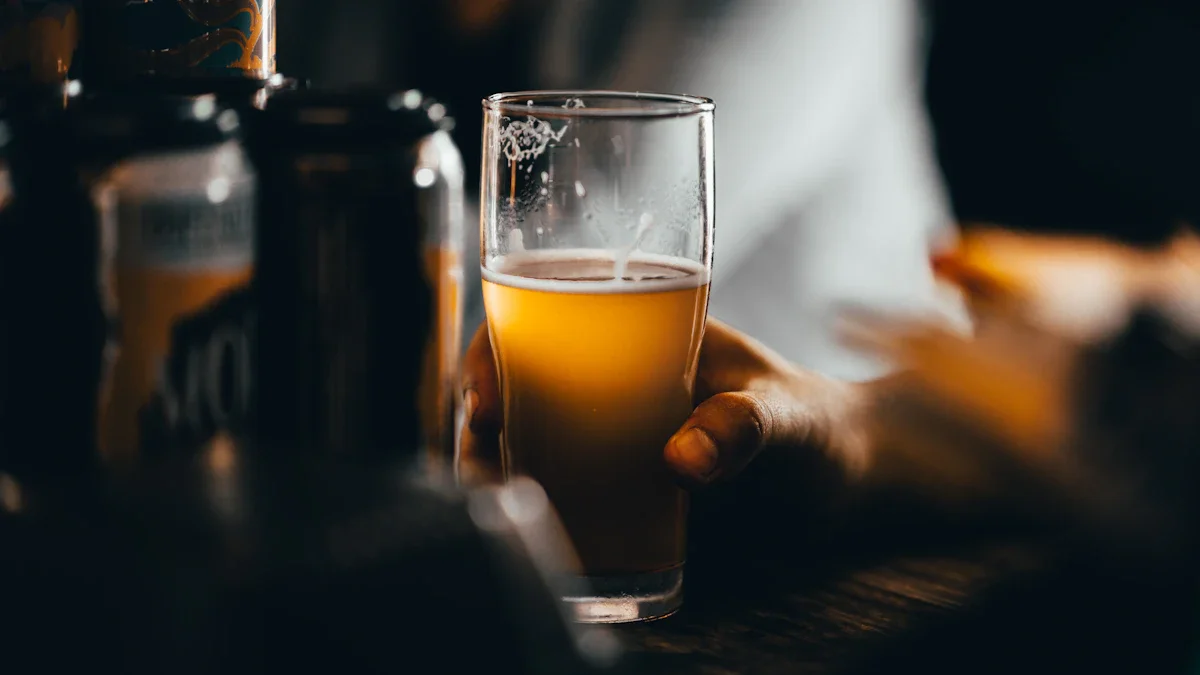
The Lithuanian Parliament, known as the Seimas, has moved to prohibit the sale, purchase, or transfer of non-alcoholic beverages that mimic alcoholic drinks to individuals under the age of 18. Following a decisive deliberation, the legislative body approved a proposal that targets non-alcoholic beer, wine, and cider, specifically focusing on products that carry the names of traditional alcoholic categories or subcategories.
The new regulations, which are slated to come into effect on November 1, represent a significant shift in how the Baltic nation manages the “sober-curious” market. Under the proposed rules, retailers will have the right—and in cases of doubt, the obligation—to demand identification from any customer attempting to purchase these beverages. If a customer fails to provide a valid ID proving they are at least 18 years old, the seller must refuse the transaction.
Legislative Shift Against Drinking ‘Imitations’
The move is not merely a technical adjustment to food and beverage laws but a targeted attempt to reshape the social landscape for Lithuania’s youth. The primary driver behind the legislation is the concern that “imitation” drinks serve as a gateway to actual alcohol consumption. By replicating the taste, smell, and visual presentation of alcoholic beverages, these products are seen by some lawmakers as a form of training for future drinking habits.
Member of the Seimas Darius Razmislevičius, the initiator of the amendments, argued during the session that these non-alcoholic alternatives foster a culture where celebrations are inextricably linked to the ritual of pouring drinks into specific glassware and clinking them together. “Non-alcoholic drinks… accustom young people to consuming drinks containing alcohol in the future,” Razmislevičius stated. He emphasized that the sensory experience of these products—their appearance and aroma—normalizes the presence of alcohol-like liquids in social settings, potentially lowering the psychological barrier to trying the real thing later in life.
Enforcement and Retail Requirements
The enforcement of this ban will place a new burden of responsibility on Lithuanian retailers. Unlike previous guidelines which may have allowed for discretion, the new law mandates a strict age-verification process similar to that used for tobacco and standard alcohol. This means that even 0.0% ABV (alcohol by volume) products will be treated with the same level of scrutiny as their intoxicating counterparts at the point of sale.

During the parliamentary vote, the project (No. XVP-893(3)) received broad support, with 66 members voting in favor, 7 against, and 26 abstaining. The significant number of abstentions suggests a lingering debate within the government regarding the practicalities of enforcement and whether the definition of “imitation” beverages might inadvertently sweep up other non-alcoholic drinks that do not intend to mimic alcohol.
A Growing Debate on Alcohol Branding
This legislative move in Lithuania mirrors a broader international conversation regarding the marketing of non-alcoholic versions of famous beer and spirit brands. In many countries, including the United Kingdom, the legal status of alcohol-free drinks is often a gray area. While UK law generally defines alcohol as anything above 0.5% ABV, many major British supermarkets voluntarily apply “Challenge 25” policies to non-alcoholic beers to avoid confusion and maintain a consistent social responsibility standard.
However, Lithuania is one of the first European nations to move toward a mandatory, state-enforced ban on these sales to minors. Critics of such measures often argue that non-alcoholic alternatives are a tool for harm reduction, providing a safe option for those who wish to participate in social rituals without the health risks of ethanol. Conversely, public health advocates in Lithuania argue that for minors, the branding itself is the primary concern, as it builds brand loyalty to alcohol companies long before a teenager reaches the legal drinking age.
As the November 1 implementation date approaches, Lithuanian businesses will need to update their internal systems and training protocols to ensure compliance. For the international community, the outcome of this policy will be closely watched as a test case for whether restricting “imitation” products can successfully decouple youth social culture from the aesthetics of alcohol consumption.
Source: ELTA



AI moderation
Portal AI moderator got this signal
Thanks. The comment is now marked for community review and AI moderation scoring.