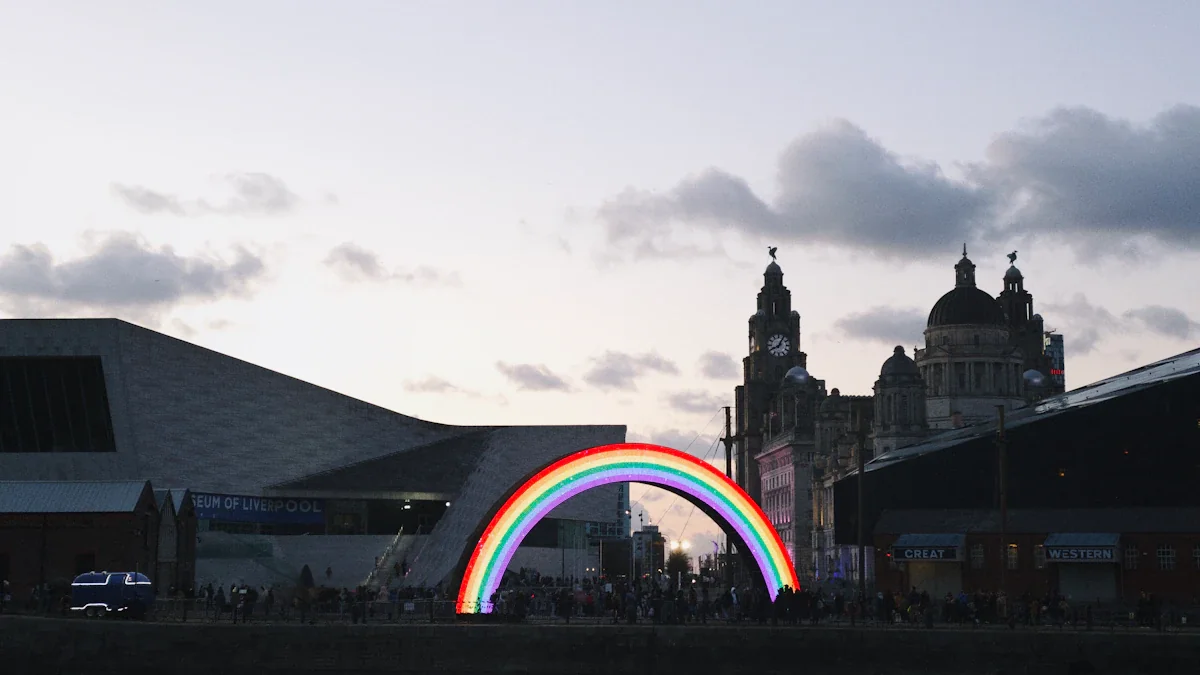
A free online training course has been launched to help people in Liverpool and across Cheshire and Merseyside speak more safely and confidently with LGBTQ+ people who may be struggling with suicidal thoughts or mental health pressures.
The LGBTQ+ Suicide Awareness Training has been developed by the Zero Suicide Alliance in partnership with Liverpool City Council, with input from Mersey Care NHS Foundation Trust, public health leaders and people with lived experience. It is designed for anyone who worries about saying the wrong thing and wants practical guidance on how to reach in with care rather than stay silent.
The course is free to access through the Zero Suicide Alliance and focuses on supportive, compassionate conversations. It does not replace emergency help, crisis care or clinical support, but it aims to make earlier, safer conversations more likely in homes, workplaces, community groups and services.
Free training built around real LGBTQ+ experiences
The course brings together lived experience, community voices and clinical insight to explain why suicide risk can affect LGBTQ+ communities in distinct ways. The source material highlights discrimination, stigma, isolation and shame as factors that can make it harder for people to ask for help or speak openly about what they are experiencing.
Dr Claire Iveson, Consultant Clinical Psychologist and Associate Director for Suicide Prevention, Quality Practice and Zero Suicide Alliance at Mersey Care NHS Foundation Trust, said the training was created to keep conversations about suicide relevant and inclusive.
She said many people are afraid of saying the wrong thing and can end up saying nothing. The aim of the new course is to help people recognise when someone may be struggling and respond with care, respect and compassion.

Who the course is meant to help
The training is not only for clinicians or people already working in mental health. It is intended for members of the public, council and health staff, employers, community volunteers, friends, relatives and anyone who may come into contact with LGBTQ+ people who are finding life difficult.
For a manager, that could mean noticing a change in behaviour and knowing how to open a conversation without judgement. For a friend or family member, it could mean asking directly and calmly whether someone is feeling unsafe, then staying present while helping them connect with appropriate support.
The course also has a broader public-service role. Liverpool City Council says it was commissioned as part of the city’s suicide prevention work and has been co-developed with the LGBTQ+ community so that the training reflects real experiences rather than abstract advice.
Safer conversations without trying to be a therapist
The practical value of the training is in confidence and tone. It helps people understand that a supportive conversation does not require having every answer, diagnosing someone or attempting to manage risk alone.
A safer conversation means listening without dismissing what the person says, avoiding blame, taking suicidal thoughts seriously and helping the person reach professional or emergency support when needed. It also means respecting identity, language and privacy, especially where someone may already have faced rejection or discrimination.

Councillor Harry Doyle, Liverpool’s Cabinet Member for Health, Wellbeing and Culture, said LGBTQ+ people can face stigma and other challenges that affect mental health. He said the training would help people recognise when someone may be struggling and respond with empathy, confidence and care.
Liverpool public health leaders want the course shared widely
Anne Marie Lubanski, Deputy Chief Executive and Corporate Director of Adult Care and Health at Liverpool City Council, said suicide prevention is a key priority for the city and that every life lost is felt across local communities.
She said the training combines lived experience, research and clinical expertise, with the ambition that people feel seen, supported and able to access help when they need it.
Dr Rory McGill, Director of Public Health at Sefton Council and lead Director of Public Health for Cheshire and Merseyside for Suicide Prevention, said shame and stigma can stop people reaching out. He said destigmatising discussions around suicide is essential to saving lives and that the training presents those realities in a sensitive and practical way.
Mike Skegg, founder of The Collaborative Network CIC, also contributed to the training. He said losing his business partner had shown him how important it is for people to feel able to speak openly about mental health, and said the course thoughtfully brings together lived experience and practical guidance.
Source: Liverpool City Council
Context & actions About this article
Source check Source trail
This article is based on the published Liverpool City Council source item and keeps the training details, named contributors and public health context aligned with that notice.
- Confirmed the course is described as free online LGBTQ+ Suicide Awareness Training.
- Checked that the training is linked to the Zero Suicide Alliance, Liverpool City Council a...
- Verified the named public health and community contributors cited in the source material.
- Kept crisis and support context general where the source did not provide specific service...
- Source
- Liverpool Express
- Scope
- Liverpool
- Updated
- 2026-06-07 21:44
Source check
Report a trust issue
Send a clear signal to community moderation if the source, facts or context need review.
Article contextPeople & topics3#7
What do you think about this article?
Reader Ideas Newsroom
Have a sharper angle for this topic? Add it to the community idea board and let readers vote it up for editorial review.


/linkComments
8+ useful words can earn +10-60 DP; shorter replies can still publish without DP.