
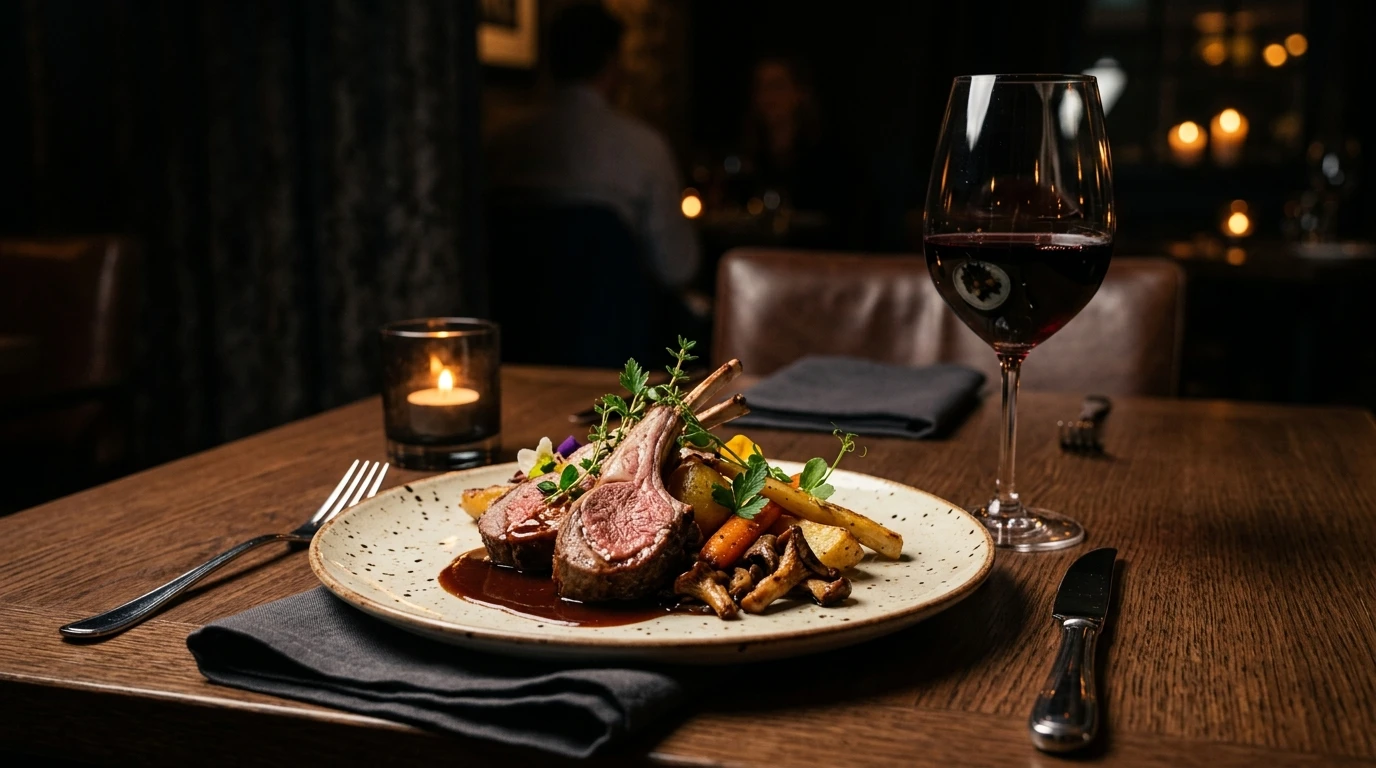
The Intersection of Gastronomy and Viticulture
For centuries, the intersection of food and wine has been the cornerstone of gastronomic culture. Whether it is a rustic village feast or a Michelin-starred tasting menu, the synergy between a well-crafted dish and the perfect glass of wine elevates the dining experience from mere sustenance to an art form. As the culinary landscape continues to evolve, understanding the foundational principles of food and wine remains essential for both the casual enthusiast and the seasoned epicurean.
The Fundamentals of Flavor Harmony
At its core, successful food and wine pairing relies on the delicate balance of flavor profiles, textures, and intensities. The primary objective is to ensure that neither the beverage nor the dish overpowers the other. Instead, they should engage in a complementary dialogue.
Weight and Body
A fundamental rule of thumb is to match the weight of the food with the body of the wine. Rich, heavy dishes—such as a slow-braised beef cheek or a robust mushroom risotto—demand full-bodied wines like Cabernet Sauvignon or a mature Syrah. Conversely, delicate proteins like poached sole or fresh scallops are best accompanied by light-bodied whites, such as Pinot Grigio or a crisp Chablis.
Contrasting and Complementing
Pairings generally fall into two categories: congruent and contrasting. Congruent pairings share similar flavor compounds, such as a buttery Chardonnay served with a creamy lobster bisque. Contrasting pairings, on the other hand, rely on opposing elements to create balance. A classic example is pairing a highly acidic Sauvignon Blanc with a rich, fatty goat cheese, where the wine’s crispness cuts through the lipid density, effectively cleansing the palate.
Decoding the Wine Spectrum
To navigate the vast world of wine, one must understand the distinct characteristics of different varietals and how they interact with culinary elements.
- Red Wines: Characterized by tannins derived from grape skins, red wines pair exceptionally well with proteins. The tannins bind to the proteins and fats in red meat, softening the wine’s astringency while enhancing the savory notes of the dish.
- White Wines: Defined by their acidity and vibrant fruit notes, white wines are the natural companions to poultry, seafood, and vegetable-forward dishes. Their crispness acts much like a squeeze of lemon over a fresh fillet of fish.
- Sparkling Wines: Often relegated to toasts and celebrations, sparkling wines are incredibly versatile. The effervescence and high acidity make them perfect palate cleansers, capable of cutting through fried foods, salty snacks, and rich caviar.
- Rosé and Orange Wines: Bridging the gap between red and white, these wines offer the acidity of a white with the structural complexity of a red, making them ideal for challenging pairings like spicy cuisines or robust tapas.
The Significance of Terroir and Tradition
One of the most reliable strategies in the culinary world is the adage, What grows together, goes together. The concept of terroir—the environmental factors, including soil and climate, that give a region’s agricultural products their unique character—plays a vital role in food and wine synergy. A classic Chianti Classico, with its bright acidity and cherry notes, is the historical and perfect match for a rich, tomato-based Tuscan ragù. Exploring regional pairings offers a foolproof gateway into the world of gastronomy.
Modern Trends: Breaking the Rules
While traditional guidelines provide an excellent foundation, modern gastronomy encourages exploration and the breaking of conventional boundaries. The rise of natural, biodynamic, and low-intervention wines has introduced entirely new flavor spectrums to the dining table. Sommeliers and chefs are increasingly experimenting with unconventional pairings, such as serving chilled, light-bodied reds with grilled fish, or robust, skin-contact white wines with aged steaks.
Conclusion
Mastering the art of food and wine is a lifelong journey of sensory exploration. While the scientific principles of acidity, fat, tannins, and sweetness provide a reliable roadmap, the ultimate arbiter of a successful pairing is the individual palate. By understanding the foundational rules—and knowing when to break them—diners can unlock new dimensions of culinary pleasure, transforming every meal into a memorable gastronomic event.