By Hiyastar Health Desk
Published: May 15, 2026
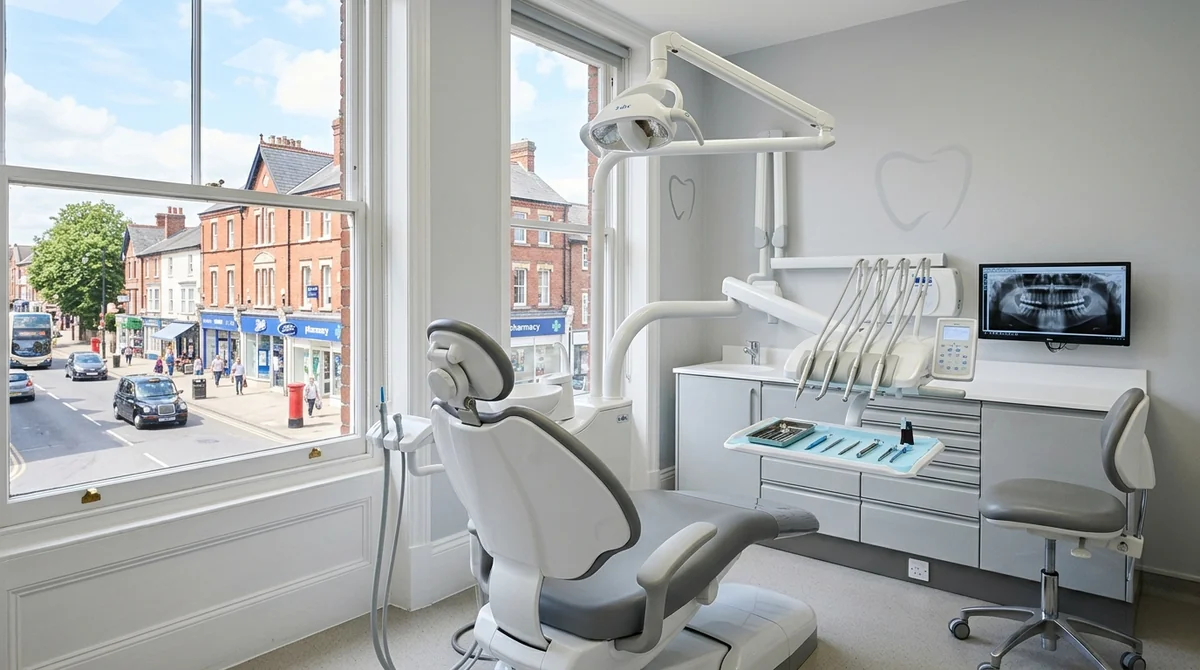
England’s NHS Dental Recovery Plan has moved into its next phase today, with a £20,000 one-off incentive for dentists who relocate to underserved areas. The Department of Health and Social Care says the scheme is intended to help expand access in places where patients have struggled to register with an NHS dentist.
The plan is aimed at so-called dental deserts, including parts of counties such as Norfolk and Devon. For patients, the practical question is whether local practices will now be able to take on new NHS registrations or offer more appointment slots.
Reader context
- The incentive scheme begins implementation on May 15, 2026.
- Dentists moving to underserved areas may receive a one-off payment.
- The wider recovery plan aims to create 2.5 million additional appointments.
- Patients should check local practice lists and NHS dentist availability pages.
How the new NHS dental funding is meant to work
The payment is designed to make it more attractive for dentists to work in areas where NHS dental access is weak. It forms part of the broader Dental Recovery Plan, which also includes higher minimum payments for NHS dental work.
That matters because NHS dentistry is delivered through contracts with providers. If contract terms are not attractive enough, practices may limit NHS work or stop taking new NHS patients. The government’s position is that better incentives should help rebuild access where gaps are most severe.
| Measure | What it means for patients |
|---|---|
| £20,000 relocation incentive | More dentists may move into underserved areas |
| 2.5 million extra appointments target | More NHS slots could become available over time |
| Higher minimum payments | Practices may find NHS work more viable |
| School “smile squad” | Preventive dental checks and support for children |
Where patients may see changes first
The most visible effect is likely to be in areas already identified as having poor NHS dental coverage. Patients in rural, coastal and lower-access communities should watch for local practices reopening NHS books, adding sessions or advertising new patient capacity.
There is still a caveat. A funding incentive does not automatically create appointments overnight. Dentists must decide to move or expand NHS work, practices need staff and surgery capacity, and local commissioning decisions still affect how quickly new access appears.
How to check for an NHS dentist near you
Patients looking for an NHS dentist should use the NHS service finder and contact local practices directly, as practice status can change before online listings catch up. It is worth asking whether the practice is accepting new NHS adults, children, urgent cases or only patients from a waiting list.
People with urgent dental pain, swelling or infection symptoms should seek NHS urgent dental advice rather than waiting for a routine registration slot.
What changes next for NHS dental access
The next meaningful sign will be whether practices in underserved areas announce new NHS places after the incentive begins. Patients should check local NHS dentist listings, practice websites and NHS England dentistry updates during the coming months, especially in areas that have had long-standing registration shortages.
Frequently Asked Questions
What is the NHS £20,000 dentist incentive and why is it being offered?
It is a one-off payment for dentists who move to underserved parts of England to provide NHS care. The aim is to make it easier for areas with poor dental access to attract clinicians and open more NHS appointment capacity.
For patients, the key point is this: the money is not a grant for the public. It is intended to help bring more NHS dental services into places where people have struggled to find a practice taking new patients.
How do I check if I can get an NHS dentist near me?
Start with the official NHS “Find a dentist” service, then check individual practice websites or phone the practice directly.
When calling, ask clearly:
- Are you taking new NHS adult patients?
- Are you taking new NHS child patients?
- Do you have a waiting list or recall list?
- Can I be contacted if new NHS slots open?
If you need urgent dental help and cannot find a practice, use NHS 111 for advice on urgent care options.
Will the £20,000 scheme mean I can get an NHS dental appointment straight away?
Not necessarily. The scheme may improve access, but it depends on whether dentists actually relocate, how quickly practices expand NHS work, and whether your local area receives extra capacity.
Residents in areas with the weakest access may notice changes first, but new appointments could appear gradually. The most practical move is to check local NHS dentist listings regularly, especially if you live in an area known to have limited NHS dental coverage.
What should families do if children need dental care but no local practice is accepting NHS patients?
Parents should contact nearby practices and ask specifically about NHS places for children, as availability can differ from adult appointments.
If a child has pain, swelling, bleeding, trauma, or signs of infection, do not wait for routine registration. Contact NHS 111 or seek urgent dental advice. For routine care, keep a record of practices contacted and ask whether they operate a cancellation list or child patient waiting list.
Where can I find official updates on new NHS dental places in my area?
Check three places:
- The official NHS Find a dentist service for practice availability.
- Your local Integrated Care Board website for regional dental access updates.
- Practice websites or phone lines for the most current patient list information.
Government announcements may explain the national scheme, but local availability is usually confirmed by NHS listings, local commissioners, and the practices themselves.
Source: Department of Health and Social Care
Context & actions About this article
Source check Source check
This report is based on the Department of Health and Social Care update and NHS England dentistry information.
- Confirmed the start date for the £20,000 incentive scheme.
- Checked the stated aim of creating 2.5 million additional NHS dental appointments.
- Matched patient advice to NHS England dentistry information.
- Source
- Department of Health and Social Care
- Scope
- England
- Updated
- 2026-06-02 13:31
Source check
Report a trust issue
Send a clear signal to community moderation if the source, facts or context need review.
Article contextPeople & topics#6
What do you think about this article?
Reader Ideas Newsroom
Have a sharper angle for this topic? Add it to the community idea board and let readers vote it up for editorial review.



/linkComments
8+ useful words can earn +10-60 DP; shorter replies can still publish without DP.