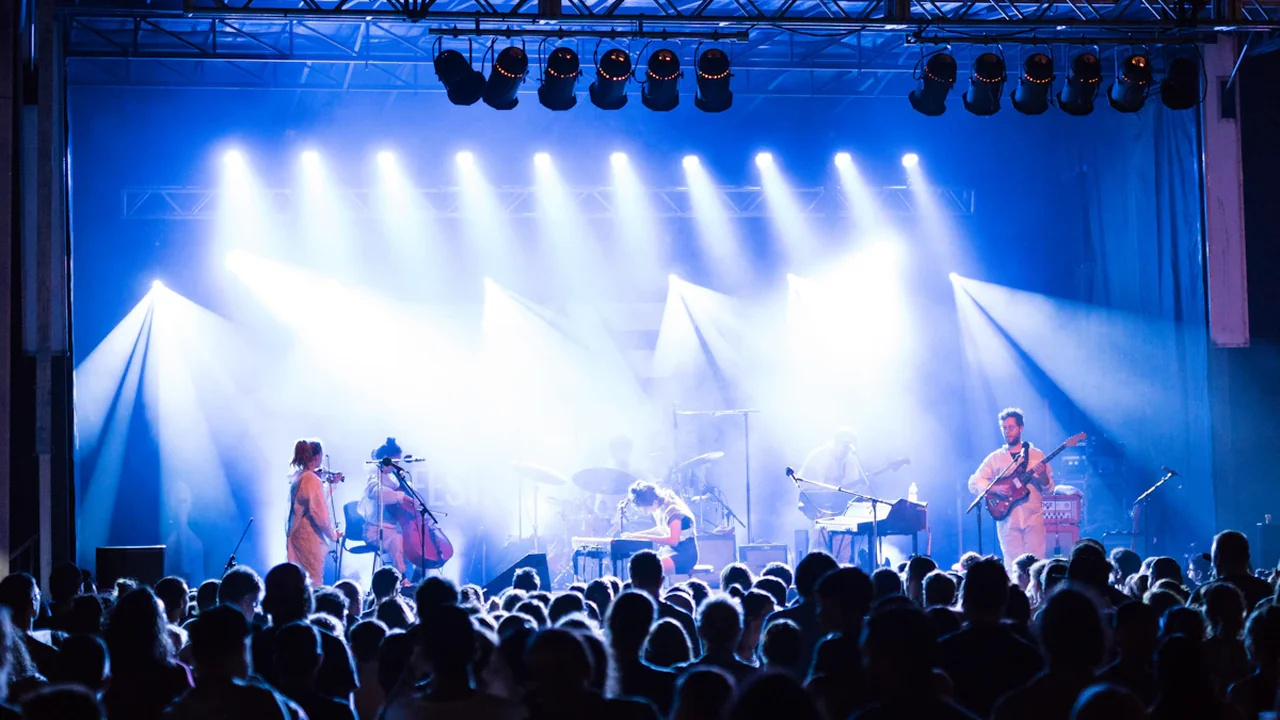
Radio 2 In The Park 2026 Tickets has become a live search topic because BBC coverage has put the festival back in front of UK readers, with headlines around the 2026 event, named performers and Stirling-related scheduling. For readers, the useful point is simple: interest is moving before every ticket detail can be treated as settled, so the next meaningful check is the BBC’s public Radio 2 in the Park page for confirmed ticket information.
What readers need to know
- BBC coverage has made Radio 2 in the Park 2026 a current entertainment topic.
- Ticket interest is rising around the event before every practical detail is settled in public evidence.
- The reliable next step is the official BBC Radio 2 in the Park page.
- Readers should avoid treating unofficial ticket claims as confirmed.
BBC coverage has moved the ticket question into focus
The ticket question is not trending in isolation. It is attached to a broader return of public attention around Radio 2 in the Park 2026, a BBC-backed music event with fresh coverage now circulating through BBC and Google News surfaces.
For wider context, our related report on Argentina Iceland Trend Builds is also useful.
The strongest visible signal is the BBC headline naming Chaka Khan and Simple Minds in connection with Radio 2 in the Park. Separate BBC-linked headlines also frame the story around the 2026 event and dates in Stirling. That combination matters because ticket searches usually rise when three things converge: a recognised event, named artists and a practical question about when people can plan.
For UK readers, the practical question is not whether the topic exists. Trusted sources establish Radio 2 In The Park 2026 Tickets as the target trending topic. The more important question is what has actually been confirmed in public source text, and what remains a live-check item.
That distinction matters. Music event coverage often moves faster than reader-facing service details. A headline can confirm that a festival is newsworthy without confirming every ticket price, sale route, allocation rule, resale warning or entry condition a reader may be searching for.
The confirmed picture is narrower than the search demand
The confirmed picture is deliberately limited. Trusted BBC sources are available for a normal source-backed trending editorial article, and they place Radio 2 in the Park 2026 into the public news cycle. The BBC article title supplied for this topic says Chaka Khan and Simple Minds are to headline Radio 2 in the Park, while other BBC-linked entries refer to the 2026 event and new dates in Stirling.
What this does not prove is just as important. The available evidence does not support publishing exact ticket prices, detailed sale times, allocation numbers, booking fees, access rules or a full event timetable. It also does not support treating an event window as fully verified unless the public source text being used explicitly confirms it.
That is why readers should be cautious with search results that look service-led but do not point back to the BBC’s own public information. Ticket pages are high-friction moments: a small error in timing, wording or route can send readers to the wrong place.
Why the topic can trend before tickets are fully clear
Ticket demand often starts before the service detail is complete because readers are trying to answer several questions at once. They want to know whether the event is happening, who is attached to it, where it is being framed, and when tickets may become available.
The current source picture answers the first part more strongly than the last. Radio 2 in the Park 2026 is a real public topic in trusted coverage. The ticket-specific detail is the part that still needs to be checked against the official event page rather than inferred from headline movement.
Why this matters for fans planning around the event
For fans, Radio 2 in the Park is not just a headline. It is a planning decision involving travel, accommodation, time off work, accessibility needs and the risk of missing a sale window. That is why ticket searches tend to accelerate as soon as a major event appears in trusted coverage.
The reader impact is practical. If you are interested in going, the useful approach is to separate confirmed news from planning assumptions. BBC coverage can tell you that the event is in the news. The official event page is the place that should change behaviour when it publishes ticket details.
That means readers should watch for clear public wording on these points:
- when tickets are available, if a sale time is published;
- where the official ticket route is listed;
- whether there are named ticket categories or access options;
- what location and date wording is used on the public event page;
- whether the BBC updates its Radio 2 in the Park page with new service information.
Until those points are visible in a trusted public page, it is better to treat ticket-specific claims as unconfirmed. That is not a sign that nothing is happening. It is simply the difference between entertainment news and reader service information.
The Stirling context adds planning interest, but not every detail
One BBC-linked headline refers to new dates for Radio 2 in the Park in Stirling. That gives the story a stronger planning dimension for Scottish readers and for fans elsewhere in the UK who may be considering travel.
Still, a location reference does not automatically settle ticket logistics. A reader looking for Radio 2 In The Park 2026 Tickets still needs the official public page to confirm what buying route applies, what wording the organiser uses, and whether any restrictions or staged releases are attached.
The same caution applies to artist-led interest. Named performers can increase demand, but they do not by themselves confirm ticket conditions. A headliner headline explains why more people are searching; it does not replace the ticket page.
What would make the story clearer
The story becomes materially clearer when the public event information answers service questions directly. A confirmed ticket launch notice, an official booking link, a published timetable or a BBC update to the Radio 2 in the Park page would all change what readers can safely act on.
Until then, the cleanest reading is that Radio 2 in the Park 2026 is back in the news, and tickets are the natural next question because fans are trying to move from awareness to planning.
Trusted sources should anchor the next move
The BBC is central here because Radio 2 in the Park is a BBC-branded event and because the supplied source set is BBC-led. That does not mean readers need to follow every republished snippet. It means the public BBC article and the BBC Radio 2 in the Park page should carry the most useful next confirmation.
The safest reader habit is to use search only as a route back to the official page. Search results can surface older pages, syndicated headlines, repeated snippets and incomplete summaries. For ticket decisions, the page that matters is the one that states the sale route and current event information clearly.
This is especially important for a topic with strong Discover and Google News visibility. When an entertainment story starts trending, secondary pages can appear quickly. Some may summarise accurately, but others may stretch beyond what has been published. A reader does not need to resolve that whole ecosystem; they only need to know which page would change the practical answer.
The next public check that changes the story
The next meaningful check is the BBC Radio 2 in the Park public page or a new BBC update that gives ticket-specific details for the 2026 event. A confirmed ticket sale notice, official booking link, published event date wording or updated Stirling information would move the story from broad interest to practical planning.
Source: bbc.com
Context & actions About this article
Source check Source check
This article relies on BBC-linked public coverage and avoids unconfirmed ticket prices, sale times or event-window claims.
- BBC article on Radio 2 in the Park coverage
- BBC Radio 2 in the Park public page
- Google News results for current BBC-linked updates
- Source
- BBC News
- Scope
- United Kingdom
- Updated
- 2026-06-10 09:08
Source check
Report a trust issue
Send a clear signal to community moderation if the source, facts or context need review.
Article contextPeople & topics1#7
What do you think about this article?
Reader Ideas Newsroom
Have a sharper angle for this topic? Add it to the community idea board and let readers vote it up for editorial review.


/linkComments
8+ useful words can earn +10-60 DP; shorter replies can still publish without DP.