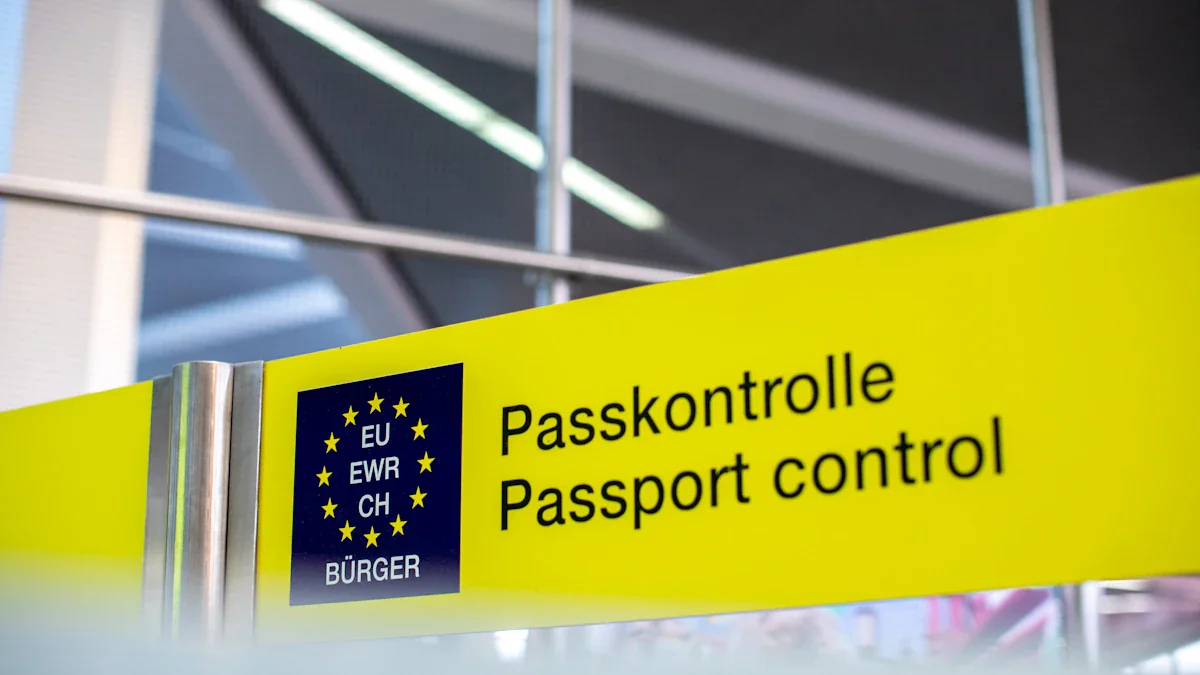
UK passport holders planning summer trips to Europe should treat Schengen border rules and passport validity checks as a pre-travel checklist, not an airport surprise. Since the UK is outside the European Union, British travellers are generally treated as third-country visitors in the Schengen area and may face entry stamps and limits on how long they can stay.
The Schengen rules UK travellers should check first
For short tourist or family trips, the key rule is the 90 days in any 180-day period limit. This is not the same as three months per country. Time spent in Schengen countries is usually counted together, so a long stay in Spain can affect a later trip to France, Italy, Greece or another Schengen destination.
Travellers should count recent trips before booking a long summer stay. A simple example: if you have already spent 70 days in the Schengen area during the current 180-day window, you may have only 20 days left for another short-stay visit.
Passport validity also matters. UK travellers should use the official GOV.UK passport checker before departure because airlines, ferry operators and border officials may refuse travel if a passport does not meet destination rules.
Airport, ferry and border checks can happen before arrival
Problems do not always start at the border desk in Europe. Carriers may check documents at UK airports, ferry ports or international rail terminals before allowing boarding. That means a passport issue can disrupt a trip before a traveller reaches their destination.
Before travel, confirm:

- your passport is valid for the country or countries you will enter;
- your passport has enough validity beyond your planned return date;
- your recent Schengen stays do not exceed the 90/180-day limit;
- your passport has been stamped correctly when entering and leaving;
- your travel insurance and accommodation details are ready if requested.
ETIAS is one to monitor, not guess
The European Union publishes official ETIAS information for travellers, but UK holidaymakers should avoid relying on social posts or travel rumours about start dates, fees or application timing. Check the official EU travel pages and GOV.UK advice before departure, especially if travelling later in the season or making multiple trips.
ETIAS is separate from the current Schengen short-stay calculation. Even when new systems apply, travellers will still need to understand passport validity and permitted length of stay.
Official pages to use before booking and again before travel
GOV.UK foreign travel advice is the main UK government starting point for country-specific entry requirements. The GOV.UK passport checker helps travellers test whether their passport may be accepted for a specific trip. The European Union travel pages provide official information about ETIAS and travel to Europe.
The most useful habit is to check once before booking and again shortly before departure. Rules, implementation dates and carrier guidance can change, while passport renewal times and appointment availability can become more difficult during peak travel season.
Frequently Asked Questions
What Schengen passport checks do UK travellers need to understand before going to Europe?
UK travellers are generally treated as third-country visitors when entering the Schengen area, so border staff and travel carriers may check whether your passport, trip length and previous stays meet the rules. The key issue is that short visits are usually limited to 90 days in any 180-day period across the Schengen area as a whole, not 90 days per country.
How can I check if my UK passport is valid for a Schengen trip?
Before booking or travelling, use the official GOV.UK foreign travel advice and passport checker for every country you plan to enter. Check that your passport is valid for your destination, has enough time left beyond your return date, and has not already caused problems because of its issue date or expiry date. Also count your recent Schengen days before assuming you can take another long trip.
Could UK travellers be stopped before they even reach Europe?
Yes. Airlines, ferry companies and international rail operators can check your documents before boarding in the UK. If your passport does not meet the destination rules, or your stay appears to exceed the Schengen limit, you may be refused travel before reaching the European border. Keep proof of accommodation, return travel and insurance details easy to access in case they are requested.
What does this mean for families, frequent visitors and second-home owners?
Anyone who visits Europe often needs to plan around the rolling 180-day window. A family holiday, a spring visit to relatives and a longer summer stay can all count together. Second-home owners and regular travellers should keep a written record of entry and exit dates, check passport stamps, and leave enough unused days for unexpected travel later in the year.
Where should UK travellers check for ETIAS and future Schengen rule changes?
Use official sources only: GOV.UK travel advice for UK passport guidance and the European Union’s official ETIAS website for ETIAS updates. Do not rely on social media posts or unofficial application sites. ETIAS should be treated as something to monitor before future trips, not guessed at during booking.
Source: European Union
Context & actions About this article
Source check Travel advice check
This guide is based on official EU and UK government travel information for UK travellers planning Schengen trips.
- Check the GOV.UK foreign travel advice page for each destination.
- Use the GOV.UK passport checker before booking and before departure.
- Confirm current EU travel and ETIAS information on the European Union travel site.
- Source
- GOV.UK foreign travel advice
- Scope
- Europe
- Updated
- 2026-05-31 10:29
Source check
Report a trust issue
Send a clear signal to community moderation if the source, facts or context need review.
Article contextPeople & topics#7
What do you think about this article?
Reader Ideas Newsroom
Have a sharper angle for this topic? Add it to the community idea board and let readers vote it up for editorial review.


/linkComments
8+ useful words can earn +10-60 DP; shorter replies can still publish without DP.