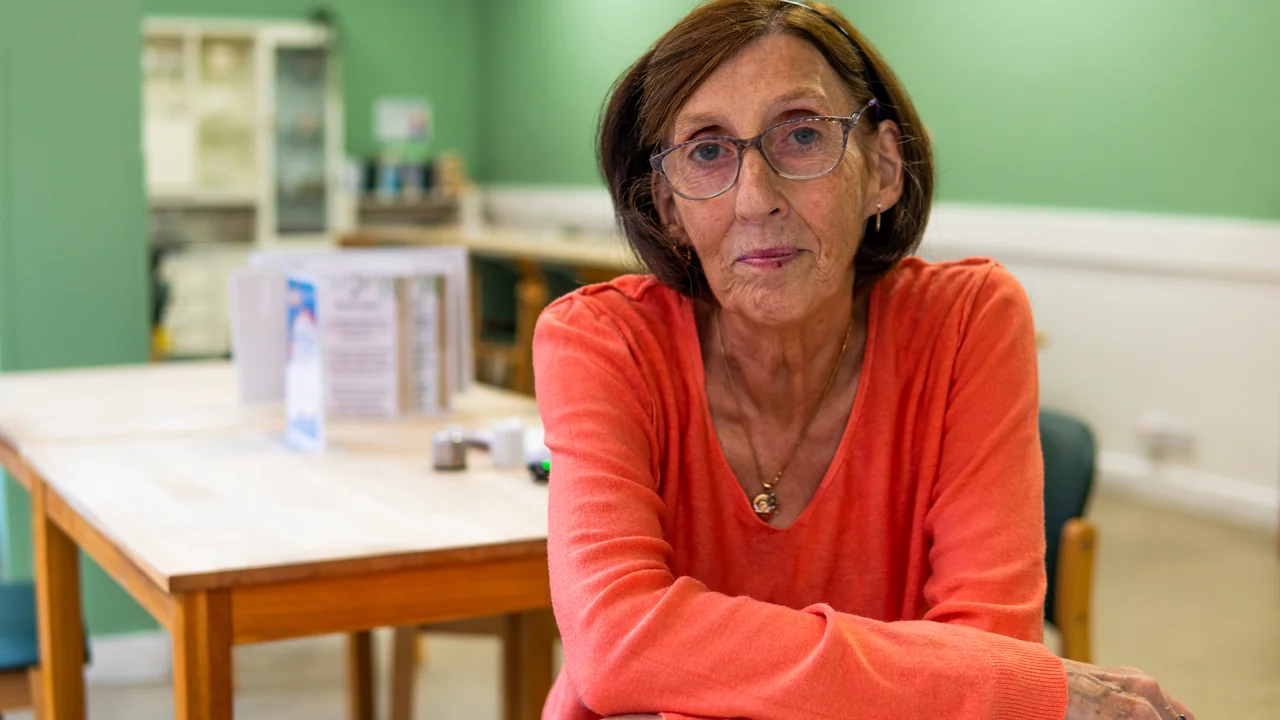
Unpaid carers in Sefton have described a daily reality that often stays out of sight: exhaustion that does not end when a crisis passes, worry about money, and the slow loss of time for work, friends, hobbies and rest.
The accounts were gathered in April 2026, when Sefton Carers Centre brought together a small group of unpaid carers to speak about their own lives, not only the needs of the people they support. The resulting report sets out what carers said they need most: regular emotional support, clearer advice, practical help, breaks from caring and recognition for the role they carry out.
For readers following wider pressure on care services, similar concerns have been raised in other local areas, including reports on adult social care waits and council improvement plans.
Caring pressure that does not switch off
Carers told the session that caring can feel emotionally relentless. Many described feeling overwhelmed, anxious, frustrated and tired most days, with pressure continuing even outside moments of immediate crisis.
The report points to a pattern familiar to many families: care work is often managed around ordinary household routines, medical appointments, work pressures and personal health needs. Because it happens at home and is often carried out by relatives or close friends, much of that work can remain invisible to people outside the household.
Some carers said the experience had changed their sense of identity. They spoke about losing parts of the life they expected to have, including social time, hobbies and space to think about their own future.
Money worries add to the strain
Financial pressure was one of the clearest themes in the carers’ accounts. Most of those involved spoke about the strain caring placed on money, choices, health and stress levels.
For many unpaid carers, the impact is not only the direct cost of care. It can include reduced working hours, difficulty staying in employment, travel costs, household changes and less flexibility to manage unexpected bills.
The carers in Sefton also linked financial strain to their own wellbeing. When money is tight, choices about rest, support, transport and personal health can become harder, adding another layer to an already demanding role.
Isolation and grief were common themes
Carers described isolation as a major part of their experience. Caring often meant missing out on social life and time for themselves, while some said they had slowly lost confidence in who they were outside their caring role.
The report also records feelings of grief. For some carers, that meant grief for a previous life, a planned future, or a relationship changed by illness, disability or long-term need.
At the same time, carers also described strengths they had developed. Many said caring had made them stronger, more patient, more confident and better able to speak up for themselves and others.
Peer support was seen as vital
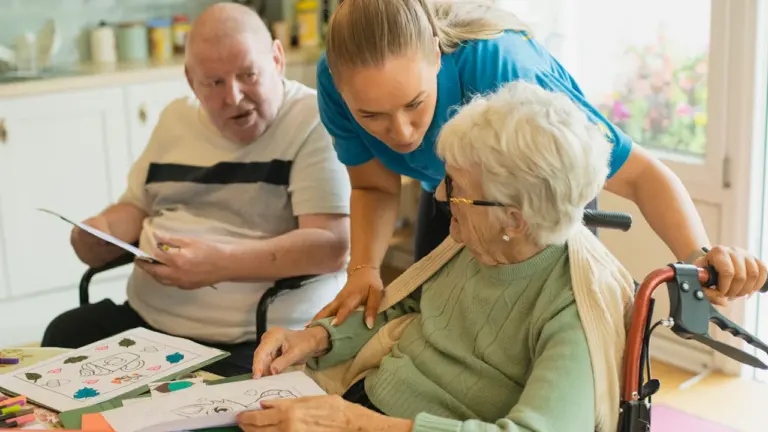
One of the strongest messages from the session was the value of peer support. Carers said being able to talk to others who understood the reality of caring helped them feel heard, accepted and less alone.
Simple coping strategies also mattered. Walking, listening to music, spending time with pets and having short moments to breathe and reflect were all mentioned as ways carers tried to manage day-to-day pressure.
The carers said they wanted support for emotional wellbeing and mental health, regular contact with other carers, practical help and breaks from caring. They also wanted clearer advice so they could plan for the future, including where to turn for help with health, money, services and social activities.
Residents looking for nearby examples of targeted carer support may also find useful context in this guide to unpaid carers’ events and advice.
Sefton strategy aims to improve recognition and advice
Sefton Council launched its three-year All-Age Carers Strategy in February 2025 after work with carers and partner organisations. The strategy includes priorities around earlier recognition, better support for young carers and young adult carers, clearer information, and more involvement for carers in decisions that affect them.
Vicky Keeley, Chief Executive of Sefton Carers Centre, said the report showed why support should be shaped around what carers say matters most.
“This report highlights the importance of listening to carers and shaping support around what they say matters most,” she said. “The session showed that caring affects every part of a person’s life.”
Sarah Alldis, Executive Director of Adult Social Care, Health and Wellbeing, said the council had made progress in the strategy’s first year but that further work was needed across the full three years.
“We will continue to be committed to listening and improving, ensuring services for carers across Sefton meet their needs and make a real difference,” she said.
Source: Sefton Council
Context & actions About this article
Source check Source trail
This article is based on Sefton Council's published account of unpaid carers' experiences and local support priorities.
- Checked the reported April 2026 listening session with Sefton Carers Centre.
- Matched the support themes to the carers' stated concerns: emotional wellbeing, isolation...
- Verified the named officials and their roles as stated in the source material.
- Kept the geographic scope to Sefton, where the carers' accounts and strategy apply.
- Source
- Sefton Council
- Scope
- Sefton
- Updated
- 2026-06-12 14:02
Source check
Report a trust issue
Send a clear signal to community moderation if the source, facts or context need review.
Article contextPeople & topics2#4
What do you think about this article?
Reader Ideas Newsroom
Have a sharper angle for this topic? Add it to the community idea board and let readers vote it up for editorial review.



/linkComments
8+ useful words can earn +10-60 DP; shorter replies can still publish without DP.