Shropshire motorists will see a significant increase in road maintenance activity throughout May as specialized machinery arrives to tackle the county’s pothole backlog. The deployment focuses on permanent, machine-cut patches rather than temporary emergency fills, aiming to improve the long-term resilience of the local highway network.
📌 Key Highlights
* Deployment Window: Intensive operations scheduled throughout May 2026.
* Technology: Multihog multi-purpose tool carriers equipped with cold milling attachments.
* Methodology: Mechanical excavation of damaged road sections to ensure clean edges for new asphalt.
* Strategic Goal: Reducing the need for repeat visits to the same locations.
Efficiency Gains in Shropshire Road Maintenance
The use of Multihogs represents a shift toward mechanical efficiency in Shropshire. These machines can plane off a patch of road in approximately two minutes, a task that takes a manual crew significantly longer with traditional jackhammers. By milling out the damaged surface and the surrounding area, the machines create a uniform cavity that allows for a more durable bond with the new tarmac.

This mechanical approach also improves safety for road workers. Because the Multihog is operated from a climate-controlled cab, it reduces the crew’s exposure to hand-arm vibration and live traffic. The speed of the process allows for shorter road closures, minimizing disruption for commuters and local businesses across the county.
| Feature | Performance Impact |
|---|---|
| Repair Durability | Machine-cut edges prevent water ingress and premature failure |
| Operational Speed | Capable of prepping hundreds of square meters per shift |
| Resource Allocation | Frees up manual crews for drainage and verge maintenance |
| Environmental Factor | Reduced waste through precise milling of damaged sections |
Strategic Deployment Across the County Network
Shropshire highway teams have prioritized specific routes based on recent survey data and resident reports. The May schedule takes advantage of the stabilizing spring weather, which is critical for the hot-lay bitumen to set correctly. Unlike winter repairs, which are often hampered by moisture and freezing temperatures, these late-spring works are designed to last for several years.
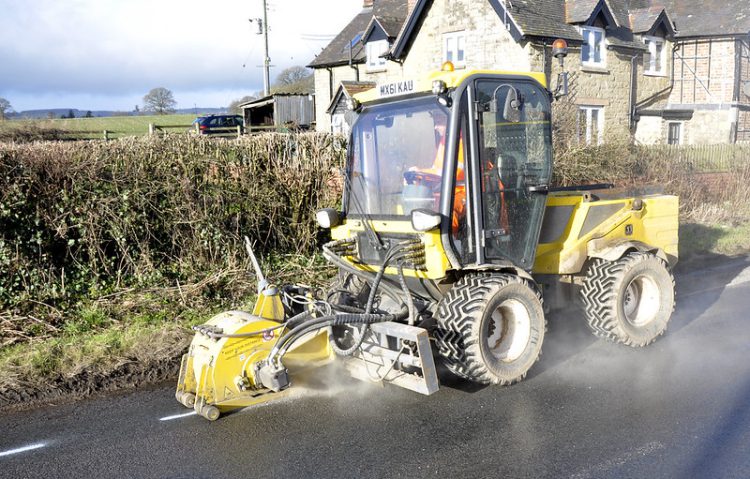
The Multihogs will move between rural links and urban centers, focusing on sections where the road substrate remains sound but the surface layer has succumbed to wear and tear. This preventative maintenance strategy is intended to stop small clusters of potholes from merging into larger, more expensive structural failures. Crews will follow a strict itinerary to maximize the number of repairs completed before the peak summer travel season begins.
Source: Shropshire Council Newsroom