By the hiyastar.co.uk news desk
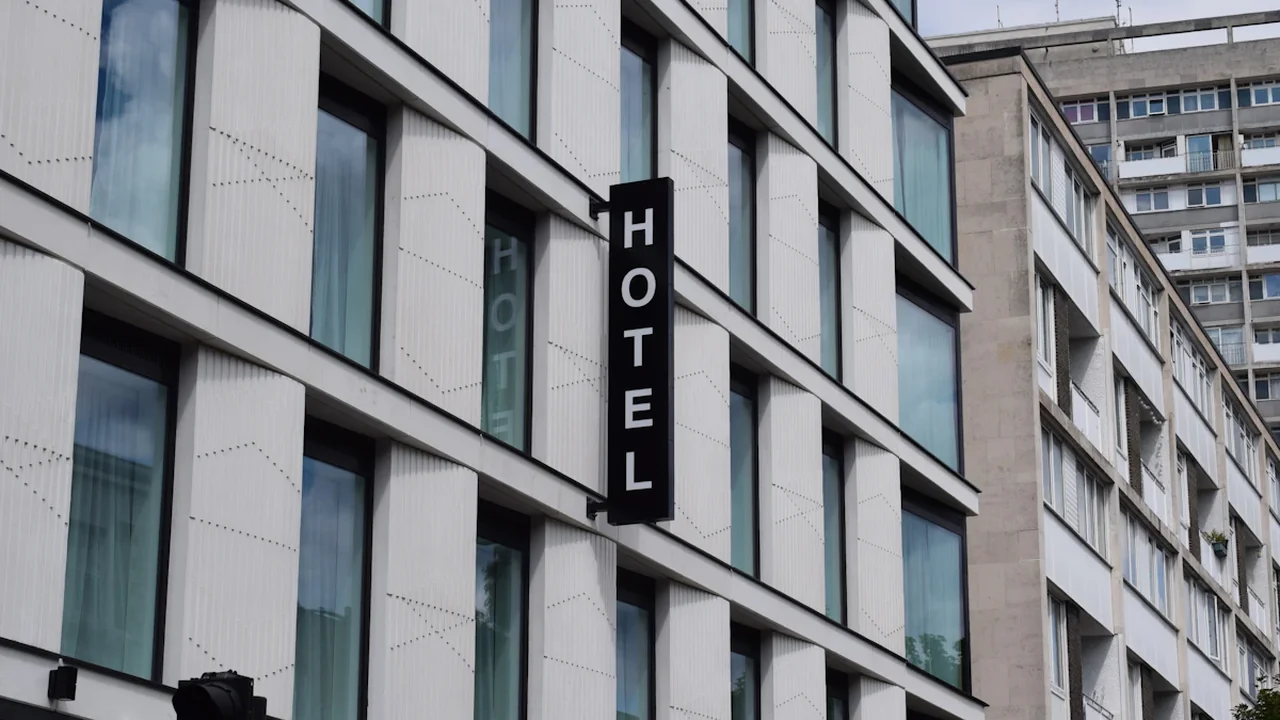
The number of asylum seekers accommodated in Stoke-on-Trent has fallen from more than 1,300 to just over 1,000 in the past year, according to Stoke-on-Trent City Council, as a Hanley hotel previously used for asylum accommodation has closed to that purpose.
The Best Western Quality Hotel on Trinity Street had housed people seeking asylum since November 2022. At its highest point, 280 people were accommodated there under arrangements linked to the Home Office and its contractor Serco.
Council leaders say the latest fall, described as a reduction of around 25%, follows continued pressure for what they call a fairer distribution of asylum accommodation across local authorities.
Accommodation numbers fall by around 25%
The council said the city had been accommodating more than 1,300 asylum seekers a year ago, compared with just over 1,000 in the latest figures. The numbers still represent a significant local accommodation role, but the council has framed the fall as a step back from levels it considered above capacity.
The figures do not mean all asylum accommodation in Stoke-on-Trent has ended. They show a reduction in the number of people housed in the city and the closure of one major hotel site from the asylum system.
The council has previously argued that Stoke-on-Trent had already taken what it described as its fair share of households. In September 2023, the Home Office agreed to pause the use of additional properties in the city for asylum seekers.
Hanley hotel contract ends after Home Office review
The Government contract for the Best Western Quality Hotel in Hanley was terminated after a review of asylum accommodation capacity across the county.
Serco, which is commissioned by the Home Office to provide accommodation for people seeking asylum, has moved the vast majority of people who had been living at the hotel to other areas of the UK.
The closure follows the earlier end of asylum accommodation use at the North Staffordshire hotel in Stoke in January 2024. The council said both changes reflect its long-running position that hotels in the city were not suitable places for asylum seekers to be housed.

The Home Office has said it plans to move towards more appropriate and sustainable accommodation, with the stated aim of ending the use of asylum hotels entirely.
What changed for Stoke-on-Trent residents
For local residents, the immediate change is that the Trinity Street hotel is no longer being used to accommodate asylum seekers. The council has linked that decision to pressure on local services, community cohesion and the city’s capacity to support vulnerable people properly.
Councillor Duncan Walker, cabinet member for safe and resilient communities and housing, said the city would remain welcoming while also managing the scale of local provision.
“We have always been – and always will be – a welcoming and friendly city,” he said. “When it comes to supporting vulnerable people like asylum seekers we will always stand by to do our bit.”
He added that recent numbers had been “above capacity”, saying the reduction would help the council manage resources and “do what is best for the people of Stoke-on-Trent.”
National policy is shifting away from asylum hotels
The closure sits within a wider national policy shift away from hotel-based asylum accommodation. Hotels have been used across the UK as temporary accommodation while asylum claims are processed, but the model has drawn criticism over cost, suitability and pressure on host communities.
In Stoke-on-Trent, the local dispute has centred on distribution. The council’s position is not that the city should play no role, but that accommodation should be spread more evenly between local authority areas.
The latest figures show a marked local fall, though not a complete withdrawal from asylum accommodation in the city. The next test will be whether further Home Office changes reduce reliance on temporary hotel places without simply moving pressure from one local area to another.
Source: Stoke-on-Trent City Council
Context & actions About this article
Source check Source trail
This report is based on Stoke-on-Trent City Council’s published update dated Tuesday, 9 June 2026.
- Checked the reported fall from more than 1,300 to just over 1,000 asylum seekers accommoda...
- Identified the Best Western Quality Hotel on Trinity Street, Hanley, as the hotel whose co...
- Confirmed Serco’s role as the Home Office accommodation provider named in the council stat...
- Included the council’s caveat that asylum accommodation has reduced, not ended entirely in...
- Source
- Stoke-on-Trent City Council
- Scope
- Stoke-on-Trent
- Updated
- 2026-06-11 17:28
Source check
Report a trust issue
Send a clear signal to community moderation if the source, facts or context need review.
Article contextPeople & topics1#7
What do you think about this article?
Reader Ideas Newsroom
Have a sharper angle for this topic? Add it to the community idea board and let readers vote it up for editorial review.



/linkComments
8+ useful words can earn +10-60 DP; shorter replies can still publish without DP.