While most modern smartphone users rarely dial a number from memory, the market for exclusive, easy-to-remember digits is far from dead. In Lithuania, a single mobile phone number can command a price tag of up to €10,000—a figure that reflects both business utility and a growing niche for personal status symbols.
Data from Bitė Lietuva, one of the country’s major telecommunications providers, reveals that over 1,200 exclusive numbers were purchased in the last five years alone. This trend, once the domain of taxi services and pizza delivery chains looking for a catchy jingle, has evolved into a sophisticated tiered market where sequences of repeating digits are treated as digital real estate.
The Psychology of the Sequence
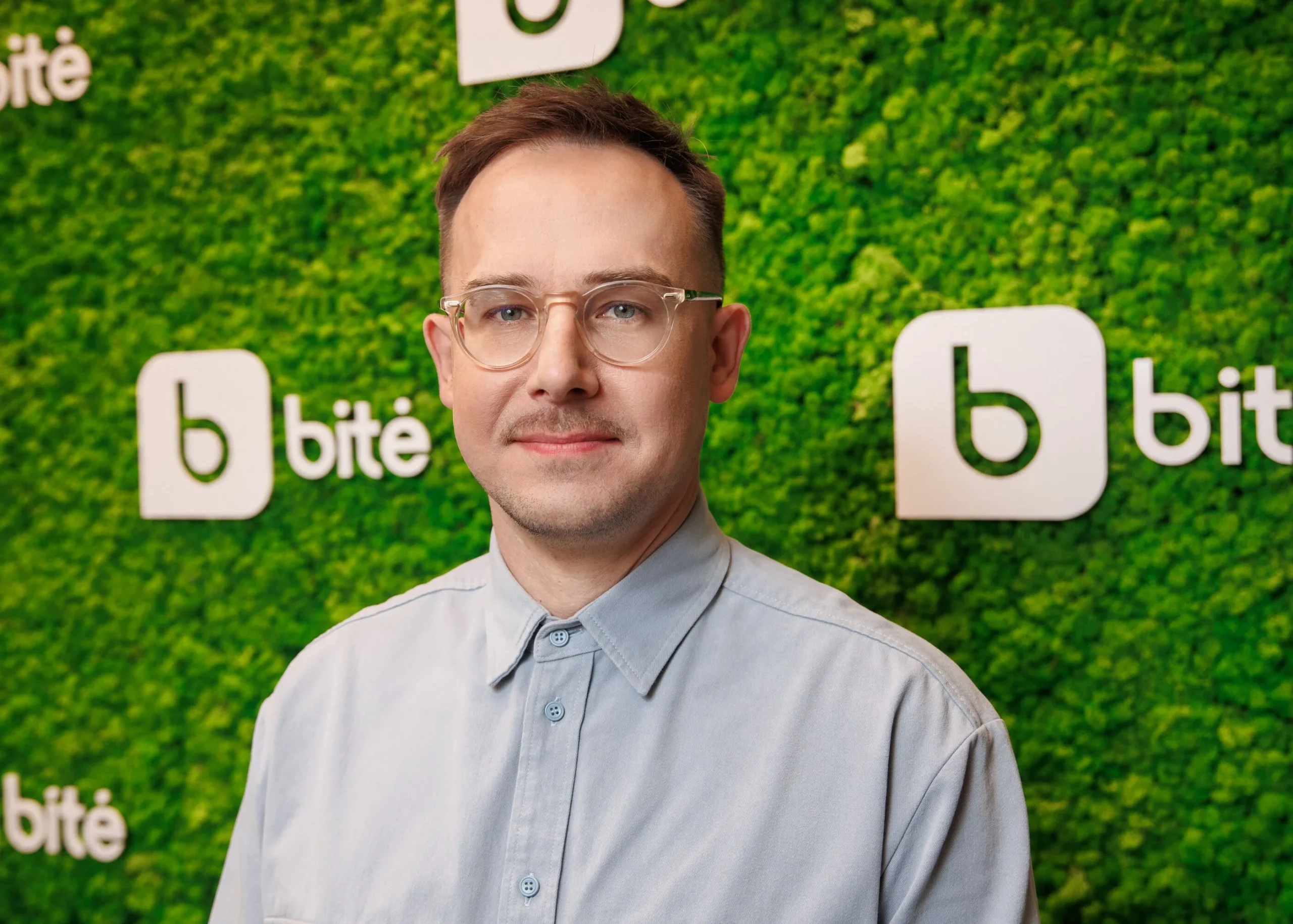
According to Paulius Černiauskas, Marketing Director at Bitė Lietuva, the demand comes from two distinct camps. For businesses, the motivation remains practical: a memorable number reduces friction for customers. For individuals, however, the reasons are more varied. Some seek the prestige of a ‘VIP’ sequence, while others look for numerological significance or numbers tied to personal milestones, such as birth dates or anniversaries.
This demand has led to a formal classification system used by operators to price these assets. The value is determined strictly by the rarity and the length of the repeating sequence.
The Cost of Memorability
To understand the market, one must look at how these numbers are categorized. The following table breaks down the current market rates and definitions for exclusive sequences in Lithuania:
| Category | Definition | Approximate Market Price |
|---|---|---|
| Golden | Three consecutive identical digits (e.g., 6xxxx888) | ~€50 |
| Diamond | Four consecutive identical digits (e.g., 6xxx3333) | ~€200 |
| VIP | Five consecutive identical digits (e.g., 6xx44444) | Up to €10,000 |
Between 2020 and 2025, ‘Golden’ numbers were the most popular choice, with over 1,000 units sold. In contrast, ‘Diamond’ numbers saw 225 sales. The VIP category remains the most elusive; Bitė reports that only about 30 such numbers are currently available in their entire inventory.
A Limited State Resource
It is a common misconception that telecommunications companies can simply generate new numbers at will. In reality, telephone numbers are a finite national resource. In Lithuania, the numbering plan is strictly administered by the Communications Regulatory Authority (RRT). Operators must submit official applications to receive blocks of numbers, and the supply of ‘clean’ or sequential blocks is dwindling.
In the past, providers could acquire large, continuous series of numbers, making it easy to offer ‘paired’ numbers (where two lines differ by only one digit). Today, such sequences are increasingly rare, as operators often receive incomplete combinations. This scarcity is a primary driver of the high secondary market prices for the most desirable sequences.
The ‘Quarantine’ Rule for Recycled Numbers
Another factor affecting availability is the regulatory ‘quarantine’ period. When a user cancels a contract or stops using a number, that sequence does not immediately return to the pool. To prevent confusion and protect the previous owner’s privacy, numbers are placed in a six-month holding period.
During this half-year window, the original owner has the right to reclaim the number. Only after this period expires without a claim can the number be offered to a new client. This system ensures that the market for ‘Golden’ or ‘VIP’ numbers remains regulated, even as the physical supply of new sequences becomes more restricted.
As digital contact sharing becomes the norm, the intrinsic value of a phone number is shifting from a functional tool to a branding asset. Whether for a startup wanting to look established or an individual seeking a unique digital identifier, the price of a ‘perfect’ number in Lithuania continues to climb.
Source: ELTA
Context & actions About this article
Article contextPeople & topics#5
What do you think about this article?
Reader Ideas Newsroom
Have a sharper angle for this topic? Add it to the community idea board and let readers vote it up for editorial review.

/linkComments
8+ useful words can earn +10-60 DP; shorter replies can still publish without DP.