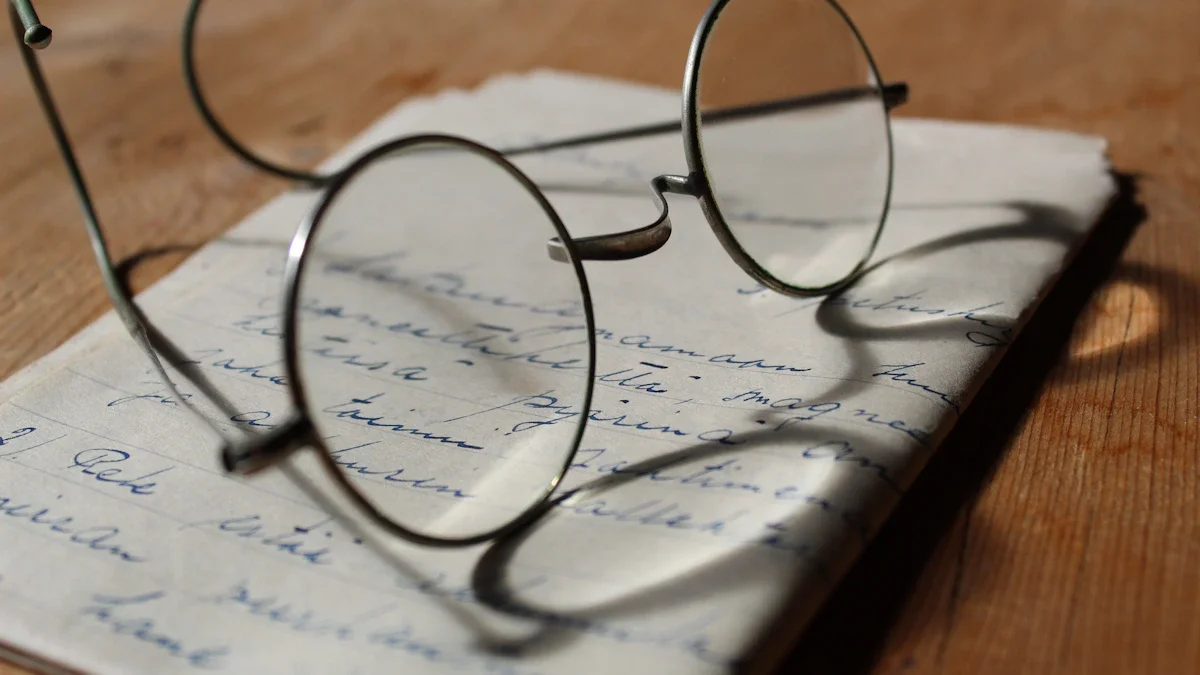
In the late 19th century, within the rigid confines of the Tsarist Russian military barracks in Kaunas, a common soldier named Ignotas Grubinskas was engaged in a quiet act of rebellion. He was writing. Across 67 handwritten pages, Grubinskas recorded his life, his dreams, and his observations—not in the state-mandated Cyrillic, but in his native Lithuanian. This rare manuscript, a survivor of a period when the Lithuanian language was systematically suppressed, is now the centerpiece of a significant new historical publication.
On May 19 at 5:30 PM, the Martynas Mažvydas National Library of Lithuania will host the official presentation of “The Diary of Ignotas Grubinskas.” The event, held in the Statehood Space, marks the public unveiling of a document that provides an unprecedented look into the mind of a 19th-century peasant soldier navigating the complexities of national identity under imperial rule.
A Rare Voice from the Barracks
Historical records from the 19th century often favor the perspectives of the elite—the clergy, the nobility, or the university-educated intelligentsia. The diary of Ignotas Grubinskas is a stark and vital departure from this trend. Born in 1867 in the village of Daunoriai, Grubinskas was a man of the soil who received only three years of formal education in a Russian “folk school.”
Despite his limited schooling, his diary reveals a sophisticated internal world. Readers will find detailed accounts of daily military life in Kaunas, reflections on his home district of Čypėnai, and his interactions with family and friends. More importantly, the text captures his personal values and his unwavering commitment to the Lithuanian language at a time when its use in print was strictly forbidden by the Russian Empire.
Navigating the Shadows of the Press Ban
The period of the Lithuanian press ban (1864–1904) was a formative era for the nation’s modern identity. During these four decades, the Tsarist administration prohibited the publication of Lithuanian texts in the Latin alphabet, attempting to force a transition to Cyrillic. This sparked a massive underground movement of book smugglers (knygnešiai) and secret societies.
Grubinskas was more than just a passive observer of this struggle. Research conducted for the book has identified him as a contributor to the forbidden newspaper Žemaičių ir Lietuvos apžvalga, published in Tilsit (then East Prussia). Writing under the pseudonym “Vabalas,” Grubinskas risked his freedom to contribute to the national discourse. His diary even contains cautious mentions of the book smugglers who moved illicit literature across the borders, providing a ground-level view of the resistance.

The Linguistic Legacy of a Peasant Soldier
For linguists and historians, the diary is a treasure trove of transitional language. Written partly in his native Vabalninkas dialect, the text also shows Grubinskas experimenting with the emerging standards of the written Lithuanian language. It serves as a living record of how a common person, largely self-taught, navigated the orthographic and grammatical shifts of the era.
The new volume features extensive analysis from two prominent scholars. Historian Dr. Juozas Skirius provides the contextual framework of the period, while linguist Habil. Dr. Giedrius Subačius explores the unique characteristics of Grubinskas’s prose. Their combined work ensures that the diary is understood not just as a personal artifact, but as a crucial piece of the Lithuanian cultural puzzle.
Preserving the National Narrative in Vilnius
The publication of the diary is part of the “From the Archives of the National Library” series, an initiative dedicated to bringing “ego-documents”—personal letters, diaries, and memoirs—out of the vaults and into the public eye. This specific project was partially funded by the Ministry of Culture of the Republic of Lithuania, reflecting its importance to the national heritage.
The presentation on May 19 will feature a panel of experts, including the book’s editor and commentator Asta Miltenytė, Dr. Juozas Skirius, and literary scholar Dr. Gitana Vanagaitė. The discussion will be moderated by Dr. Jolanta Budriūnienė, Director of the Documentary Heritage Research Department. For those interested in the intersection of military history, linguistic survival, and the enduring power of the written word, the event offers a rare glimpse into a life lived in defiance of an empire.
Source: BNS
Context & actions About this article
Article contextPeople & topics6#5
What do you think about this article?
Reader Ideas Newsroom
Have a sharper angle for this topic? Add it to the community idea board and let readers vote it up for editorial review.



/linkComments
8+ useful words can earn +10-60 DP; shorter replies can still publish without DP.