
UK households who rely on benefits, tax credits or the State Pension should check their expected payment date before the summer bank holiday, because public holidays can change when money reaches bank accounts. The safest check is the date shown in your own online account, Universal Credit journal, award letter or bank statement, rather than assuming a payment will arrive on its usual weekday.
GOV.UK says benefits and pensions are normally paid into an account, but payment dates may be different because of bank holidays. GOV.UK also publishes separate bank holiday dates for England and Wales, Scotland and Northern Ireland, so the date that matters can depend on where you live.
Payments that can be affected by bank holidays
Bank holidays can affect payments made by the Department for Work and Pensions and HM Revenue and Customs when the usual payment day falls on, or close to, a public holiday.
Payments households may need to check include:
- Universal Credit
- Personal Independence Payment
- Child Benefit
- Tax Credits
- State Pension
- Other DWP benefits paid on a regular schedule
The issue is not eligibility. It is timing. A bank holiday can mean a payment is made on a different working day, which matters for rent, direct debits, food shopping, childcare costs and travel.
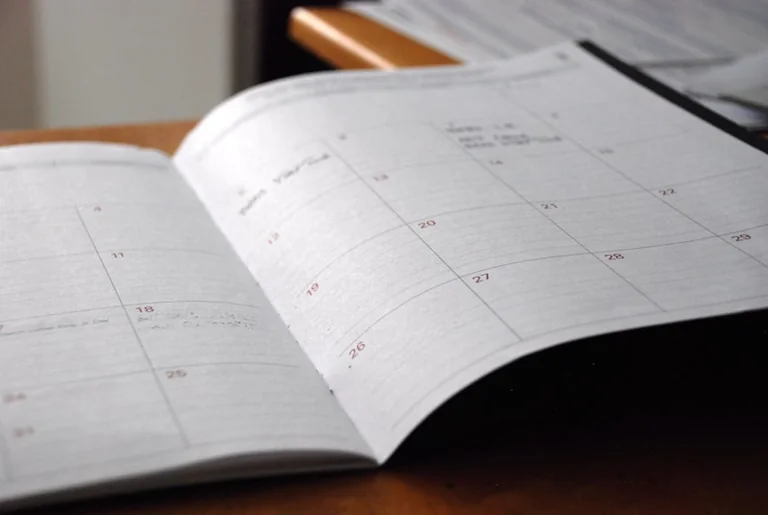
Why the official checker matters
The summer bank holiday does not fall on the same date across every part of the UK. England and Wales, Scotland and Northern Ireland have their own bank holiday lists on GOV.UK.
That means households should avoid relying on a social media post, an old screenshot or a date that applied to a previous bank holiday. A payment date can also depend on the benefit, the normal payment cycle and whether the account is processed by DWP or HMRC.
GOV.UK is the official place to check bank holiday dates. For individual payments, the most reliable source is the account or notice linked to that specific claim.
What to check today
Before making plans around the summer bank holiday, check four things:
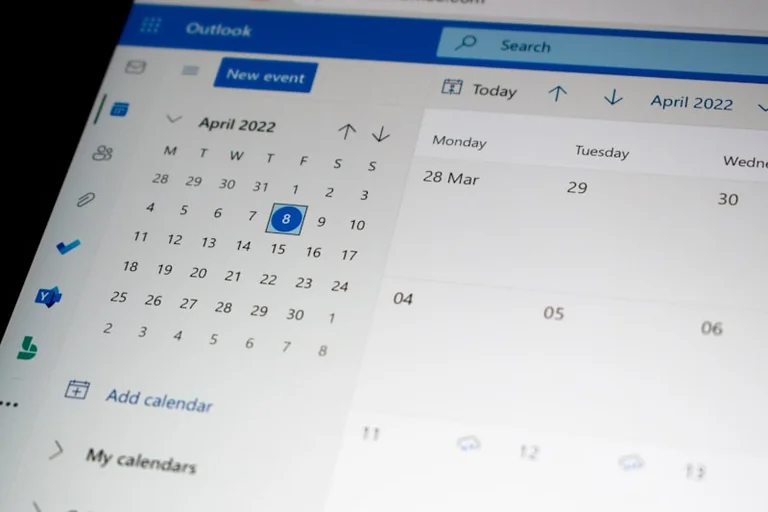
- The normal payment date for your benefit, pension or tax-credit award
- Whether that date falls on or near a bank holiday in your UK nation
- The date shown in your Universal Credit journal, online account or award notice
- Whether your bank statement shows an expected or previous early payment pattern
If a payment is due earlier than usual, it may need to last longer before the next scheduled payment. If it has not arrived when expected, check your account first, then contact the relevant service using the official GOV.UK contact route for that payment.
Budgeting steps if your date moves
A moved payment date can create a short gap later in the month. Households who budget tightly may want to separate money for rent, council tax, utilities and direct debits before spending from an early payment.
It is also worth checking whether any automatic payments are due immediately after the bank holiday. If a direct debit is likely to leave before the next benefit or pension payment, contact the company early rather than waiting for a failed payment.
The key point is simple: do not assume the usual weekday will apply. Check the official bank holiday list and then verify the exact payment date in your own claim record or bank account.
Source: GOV.UK
Context & actions About this article
Source check Official sources
This article uses GOV.UK guidance on benefit and pension payments and the official UK bank holiday list.
- GOV.UK says payment dates may differ because of bank holidays.
- GOV.UK lists bank holidays separately for England and Wales, Scotland and Northern Ireland...
- Readers should verify their own claim record, journal or bank statement before budgeting a...
- Source
- GOV.UK benefit payment guidance
- Scope
- United Kingdom
- Updated
- 2026-06-10 10:38
Source check
Report a trust issue
Send a clear signal to community moderation if the source, facts or context need review.
Article contextPeople & topics#7
What do you think about this article?
Reader Ideas Newsroom
Have a sharper angle for this topic? Add it to the community idea board and let readers vote it up for editorial review.


/linkComments
8+ useful words can earn +10-60 DP; shorter replies can still publish without DP.