
2026 UK Local Elections: Conservative Party Seat Loss Forecast
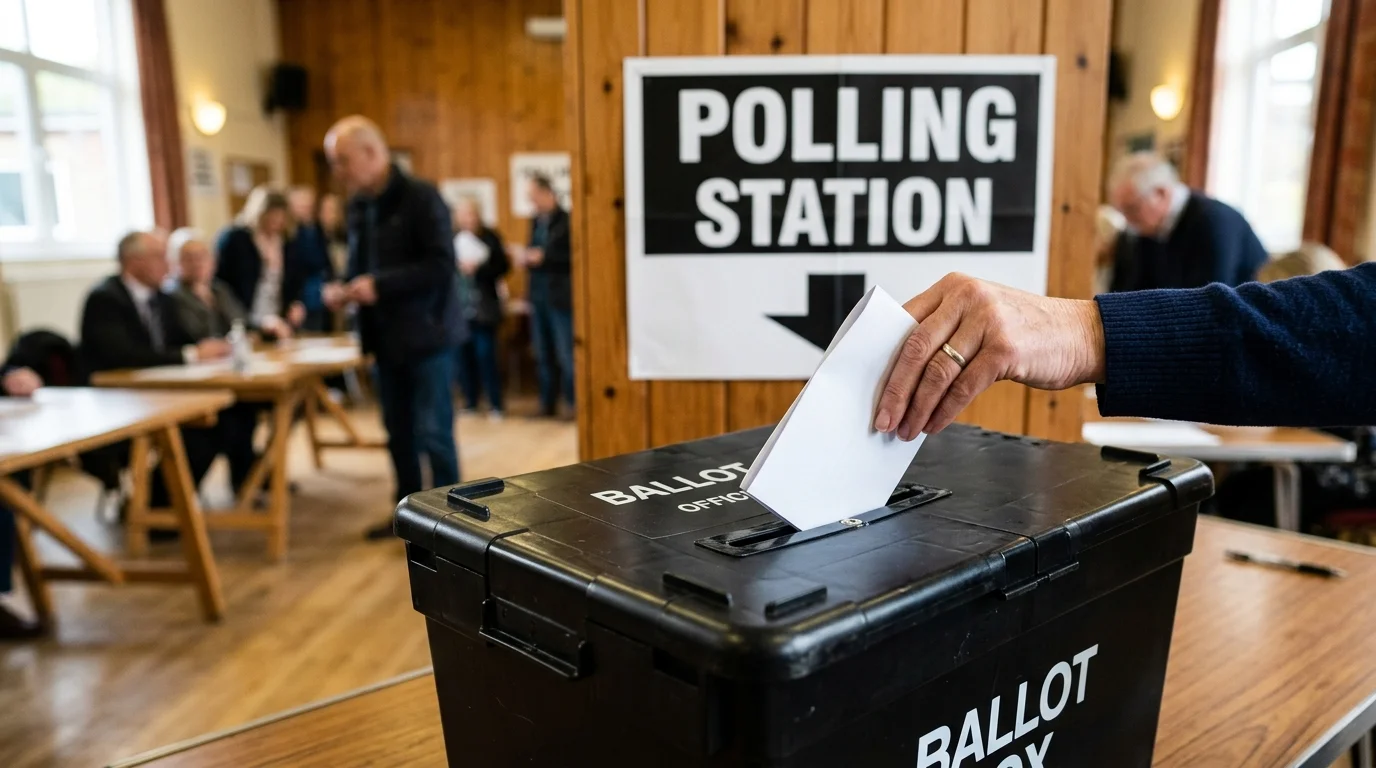
The United Kingdom is set to hold local elections on May 7, 2026, serving as a critical mid-term assessment of the current government. Political analysts and prediction markets are specifically monitoring the 200-seat threshold for the Conservative Party. A loss exceeding this number would signal significant vulnerability in traditional ‘Blue Wall’ strongholds and could reshape the national political landscape ahead of the next general election.
Svarbiausi akcentai
- Election Date: May 7, 2026.
- Verification: Results are verified by the Electoral Commission and major outlets like the BBC.
- Key Metric: Net change in council seats for the Conservative Party.
- Critical Areas: ‘Blue Wall’ councils and key battleground districts in the South of England.
- Resolution Date: Official tallies are expected to be finalized by May 10, 2026.
Battleground Councils and the ‘Blue Wall’
The 2026 elections will focus heavily on the ‘Blue Wall’—historically Conservative-leaning areas that have recently shown shifts toward the Liberal Democrats and Labour. Control over local services, including planning permissions, social care budgets, and transport infrastructure, remains the primary stake for voters. Analysts suggest that the Conservative Party’s ability to hold onto suburban councils will be the deciding factor in whether they stay below the 200-seat loss mark.
| Election Metric | 2026 Forecast Details |
|---|---|
| Election Day | Thursday, May 7, 2026 |
| Official Source | Electoral Commission |
| Major Parties | Conservative, Labour, Liberal Democrats |
| Reporting Deadline | May 10, 2026 |
| Seat Threshold | 200 Net Losses |
Benchmarks for Political Success and Failure
In UK local politics, a loss of fewer than 100 seats is often spun as a resilient performance for a governing party mid-term. Conversely, losing over 200 seats typically indicates a broad withdrawal of public support. The 2026 cycle is particularly sensitive as it follows a period of significant economic adjustment and shifts in local government funding models.
Official Reporting and Results Verification
The final seat tally will be determined by official reports from the Electoral Commission. While exit polls are not standard for local elections, real-time data from PA Media and the BBC will provide the first indications of the swing. The market for this prediction will resolve once all council declarations are completed, typically within 72 hours of the polls closing.
Frequently Asked Questions
Why is the 200-seat loss threshold so significant for the Conservative Party in 2026?
The 200-seat mark is the primary benchmark used by political analysts to measure government stability. In UK local politics, losing fewer than 100 seats is often viewed as a resilient mid-term performance. However, crossing the 200-seat threshold—particularly within the ‘Blue Wall’—indicates a systemic shift in voter loyalty. If this threshold is breached, it signals that the party’s core messaging on local services and the economy is failing to land in traditionally safe suburban districts.
How can I track the real-time seat changes and verify the results in my area?
To follow the results as they come in on May 7, 2026, you should monitor the Electoral Commission’s official dashboard or the BBC’s live election tracker. For the most local impact, visit your specific District or County Council website. Look specifically for the ‘Net Change’ figure; this tells you exactly how many seats the Conservatives have lost or gained relative to their previous standing, which is the key metric for determining if they stay below the 200-seat warning zone.
What direct impact will a change in council control have on my local services and taxes?
A shift in council control from Conservative to Labour or Liberal Democrat can lead to immediate changes in planning permissions, social care priorities, and transport infrastructure spending. Since local councils decide how budgets are allocated for road repairs and community housing, a significant seat loss could mean a pivot in how your local Council Tax is reinvested. Residents in ‘Blue Wall’ areas may see different approaches to Green Belt protection and urban development projects depending on which party gains the majority.
What happens after the official results are finalized on May 10, 2026?
Once the final tallies are verified on May 10, the political focus shifts to national implications. If losses exceed 200 seats, expect immediate discussions regarding party leadership and potential shifts in the national manifesto ahead of the next General Election. For residents, the next step is the Annual Council Meeting (usually held within 21 days), where new leaders are formally appointed. You can find deep-dive analysis and updated forecasts on these developments at hiyastar.co.uk.
Reader forecast
Will this topic matter to readers?
Trust layer: Reviewed before publication
Text, context and public-interest value are checked by the editorial workflow and AI assistant.
- Source
- Editorial / community signal
- Updated
- 2026-05-06 13:16
Reader Ideas Newsroom
Have a sharper angle for this topic? Add it to the community idea board and let readers vote it up for editorial review.



/linkComments