Airspace Threat Ends in Latvia’s Border Region of Krāslava
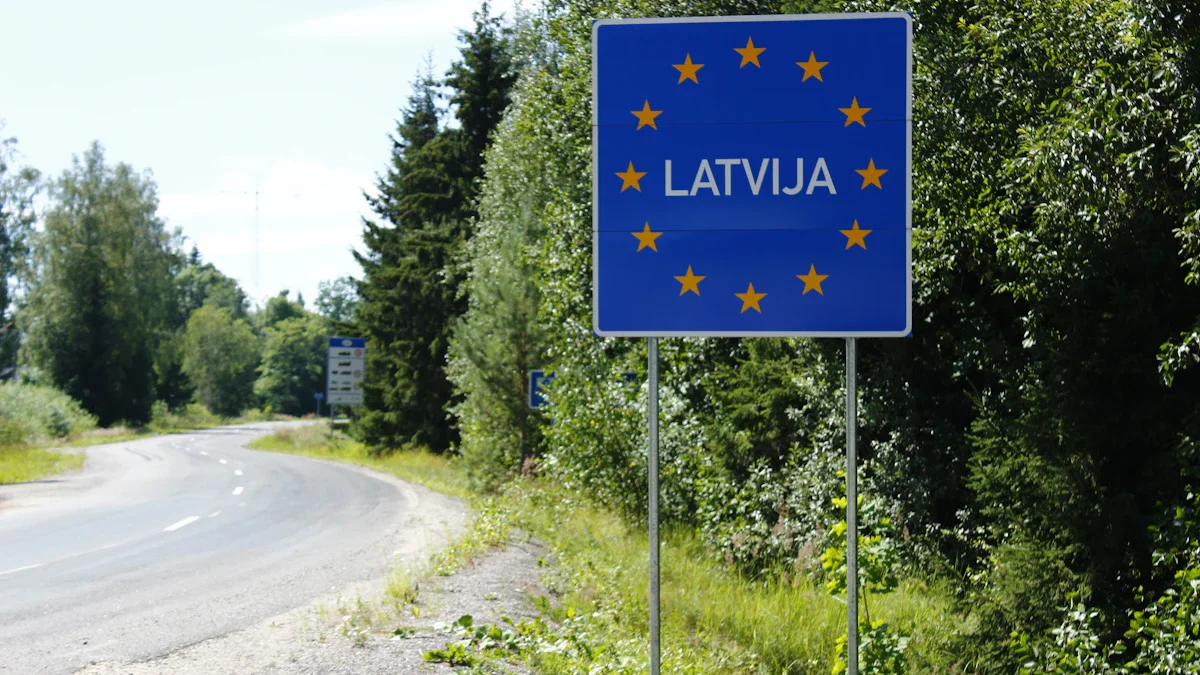
The National Armed Forces of Latvia (NBS) have officially declared the end of an airspace threat that had paralyzed the Krāslava region since the early hours of May 15, 2026. Following an urgent security alert that forced schools to move to remote learning and municipal services to switch to emergency protocols, military officials confirmed at 06:43 local time that the immediate danger in the gaisa telpa (airspace) has passed. While the specific nature of the threat has not been detailed in the initial all-clear, the Latvian army has indicated that further updates will be disseminated through their official social media channels.
This incident highlights the heightened state of alert currently maintained along the European Union’s eastern frontier. Krāslava, situated in the southeastern corner of Latvia near the borders of both Belarus and Russia, remains a sensitive zone for national security. The rapid activation of the Civil Protection Commission’s emergency measures underscores the region’s readiness to respond to potential incursions or unidentified aerial phenomena in a volatile geopolitical climate.
Immediate Transition to Normalcy Following the Alert
With the threat officially lifted, the Krāslava Municipality Civil Protection Commission has begun the process of restoring standard operations across the district. During the height of the alert, the educational system was the first to pivot, with all schools instructed to conduct lessons remotely for the day. This protocol is part of a broader national strategy to ensure the safety of minors during periods of military or civil uncertainty.
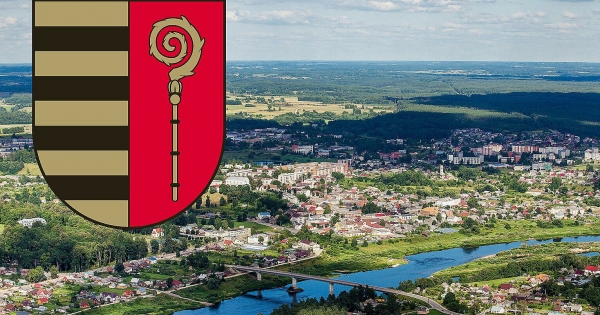
Kindergartens, which were closed during the active threat, have been cleared to resume operations immediately following the formal cancellation of the alarm. Similarly, municipal institutions that had been operating in a remote ‘on-duty’ mode are now transitioning back to their physical offices. For residents, the morning has been marked by a shift from emergency bracing to logistical coordination. Local authorities have urged citizens to maintain direct contact with their employers and family doctors to determine specific schedules for the remainder of the day, as the sudden shift back to normalcy may cause minor administrative delays.
Security Context on the NATO Eastern Flank
For international observers and the UK audience, this event serves as a stark reminder of the daily realities faced by NATO’s frontline states. Airspace violations or perceived threats in the Baltics are treated with the highest level of gravity, often involving the activation of regional defense protocols. The National Armed Forces’ involvement suggests that the incident was monitored via radar systems that track both conventional aircraft and unmanned aerial vehicles (UAVs), which have become a frequent concern in regional security assessments.

The Krāslava Hospital remained operational throughout the event, maintaining a ‘business as usual’ status to ensure that emergency medical services were not compromised by the security protocols affecting other sectors. This distinction between essential medical services and administrative or educational services is a key component of Latvia’s civil defense architecture, designed to prevent a total societal shutdown during localized security incidents.
Guidelines for Residents and Future Monitoring
As the situation stabilizes, the primary directive for the local population is to remain vigilant and stay informed through verified governmental sources. The NBS has directed the public to the “Latvijas armija” social media accounts for the most granular technical details regarding the nature of the airspace threat. In an era of hybrid threats and potential misinformation, the Latvian government emphasizes the importance of following official military communications over speculative local reports.

While the immediate crisis in Krāslava has been resolved, the event marks another milestone in the ongoing security challenges facing the Baltic states. Residents are encouraged to review their personal civil protection plans, a practice that has become increasingly common across Latvia in recent years. The next verifiable milestone will be the release of the NBS’s full incident report, which is expected to clarify whether the threat was an accidental incursion, a technical malfunction, or a deliberate provocation.
Source: Krāslavas novada pašvaldība


AI moderation
Portal AI moderator got this signal
Thanks. The comment is now marked for community review and AI moderation scoring.