NATO Jets Scramble as Latvia Warns of Eastern Airspace Threat
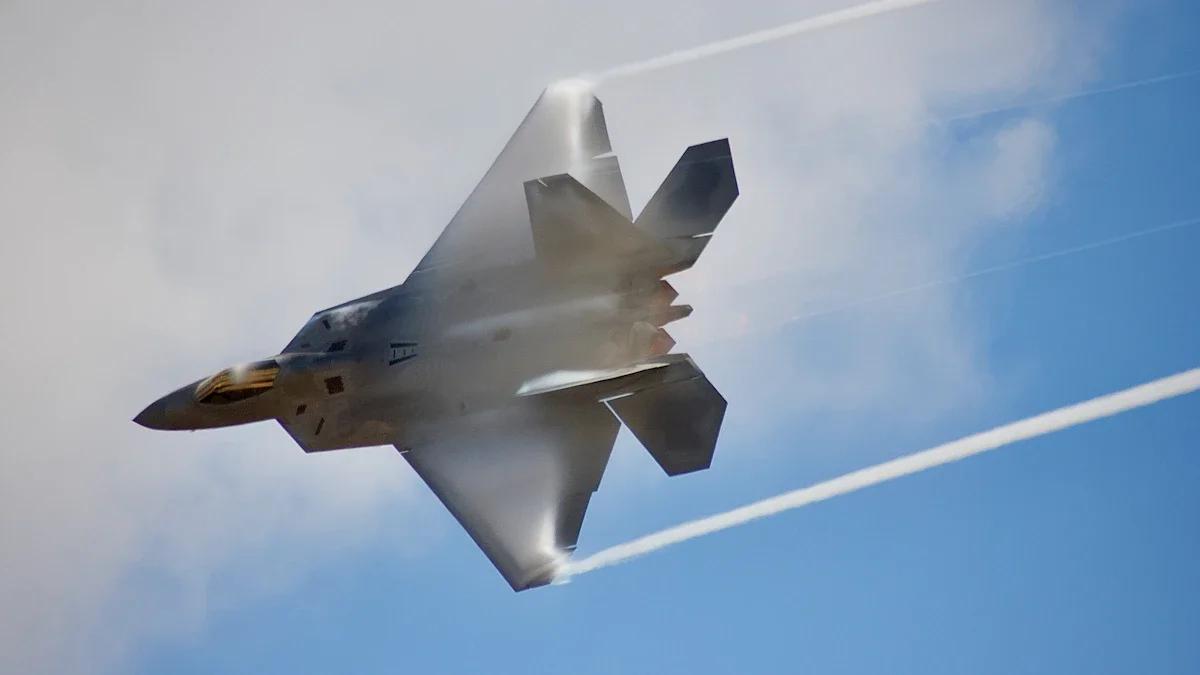
NATO fighter jets were scrambled in the Baltic region on Tuesday following reports of a potential airspace threat over several eastern Latvian municipalities. The Latvian National Armed Forces (NBS) issued an urgent alert identifying Krāslava, Ludza, Rēzekne, and Preiļu as the primary areas of concern. The move comes amid heightened tensions along the European Union’s eastern frontier, where border security has become a matter of critical international importance.
According to official military statements, the NATO Baltic Air Policing mission was immediately activated to respond to the unidentified threat. While the specific nature of the intrusion has not been disclosed by the Ministry of Defence, the response follows a pattern of increased vigilance across the Baltic states. The NBS confirmed that they are working in close coordination with NATO allies to monitor the situation in real-time, ensuring a rapid response capability to any further escalations.
Reinforcement of the Eastern Frontier
In direct response to the potential threat, the Latvian National Armed Forces have significantly bolstered their air defense capabilities along the eastern border. Additional units have been deployed to the Latgale region, which borders both Russia and Belarus. This reinforcement is part of a broader strategy to secure the NATO flank against unauthorized incursions, whether from manned aircraft or unmanned aerial vehicles (UAVs).
The regions of Krāslava and Ludza are particularly sensitive due to their proximity to the border. Military officials have emphasized that the current posture is a precautionary but necessary measure to ensure the integrity of Latvian sovereign airspace. The deployment of additional air defense hardware serves as both a deterrent and a practical safeguard against the evolving security landscape in Eastern Europe.
Regional Context and Previous Incidents
This latest alert follows a series of high-profile incidents that have put the Baltic region on edge. In September 2024, a Russian ‘Shahed’ drone, equipped with an explosive payload, crashed in the Rēzekne district after entering Latvian airspace from Belarus. That incident prompted a sharp diplomatic response from Riga and led to calls for NATO to implement a ‘rotational’ air defense model to better protect the alliance’s eastern borders.

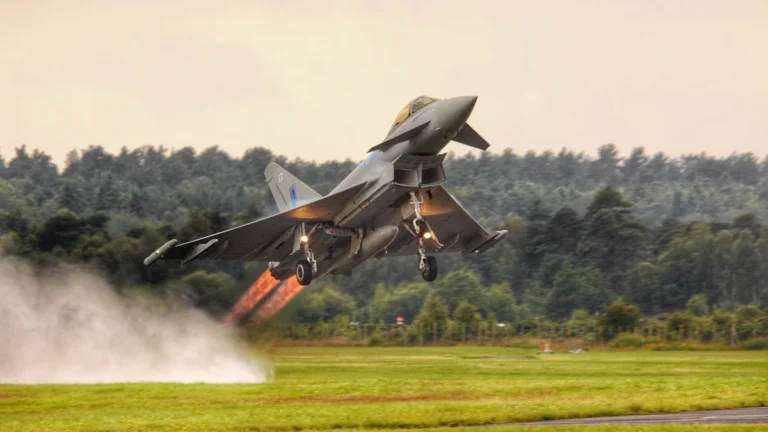
For readers in the UK and Western Europe, the security of the Baltic states is a central pillar of collective defense. The UK Royal Air Force (RAF) frequently participates in the NATO Air Policing mission, deploying Typhoon jets to bases in Estonia and Lithuania to intercept Russian military aircraft that fly without flight plans or transponders. The current situation in Latvia underscores the persistent nature of these challenges and the constant state of readiness required by allied forces.
Ongoing Monitoring and Public Safety
At present, the National Armed Forces continue to monitor the airspace with high-intensity surveillance equipment. While the immediate alert remains in place for the eastern districts, there have been no reports of civilian casualties or property damage. The military has not issued evacuation orders, but residents in the affected border regions are encouraged to remain observant and report any unusual aerial activity to local authorities.
The situation remains fluid, and the NBS has committed to providing updates as more information becomes available. The collaboration between the Latvian military and the NATO Integrated Air and Missile Defence System (NATINAMDS) ensures that any threat is tracked from the moment it approaches the alliance’s outer limits. For now, the focus remains on maintaining a visible and capable presence to prevent any further violation of international law or territorial sovereignty.
Source: Krāslavas novada pašvaldība



AI moderation
Portal AI moderator got this signal
Thanks. The comment is now marked for community review and AI moderation scoring.