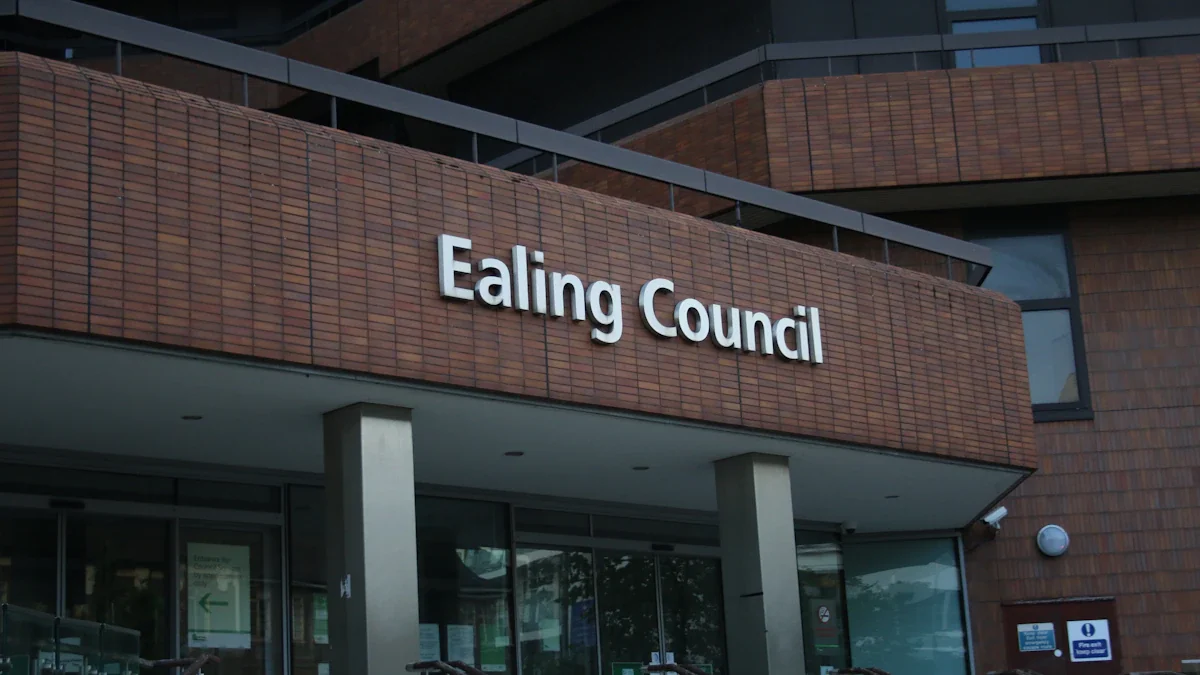
Households that cannot afford a council tax bill should contact their local council before missed instalments become formal arrears. A late bill can move from reminders to enforcement action, and extra costs may be added once a summons, liability order or equivalent recovery step is started.
GOV.UK says council tax bills are handled by local councils, and the official route for Council Tax Reduction is through the household’s own council. That matters because support schemes and recovery processes depend on where the property is and the local rules that apply.
What can change after a council tax bill is missed
Council tax is usually paid in instalments. If an instalment is missed, the council can issue a reminder and may later ask for the full remaining balance for the year if the arrears are not dealt with.
In England and Wales, unpaid council tax can lead to a court summons and a liability order. Councils can add court and administration costs, so the amount owed may rise even before enforcement agents or other recovery methods are considered.
In Scotland, recovery uses different legal routes, including summary warrant procedures. The practical point is similar: once the debt moves into formal recovery, charges and enforcement pressure can increase.

Check the bill before asking for help
Before contacting the council, check the bill for:
| Item to check | Why it matters |
|---|---|
| Name and address | A wrong liable person or property can affect the bill. |
| Instalment dates | It shows whether a payment is already late. |
| Discounts or exemptions | Single person discount, student status or other reductions may be missing. |
| Balance brought forward | Older arrears may already be included. |
| Payment reference | The council will usually need it when discussing the account. |
Do not assume a bill is correct if income, household members or circumstances have recently changed.
How Council Tax Reduction works
Council Tax Reduction is help for people on a low income or certain benefits. GOV.UK directs people to apply through their local council, because the council decides scheme details and assesses claims.
Eligibility is not automatic for every household. The council may consider income, savings, benefits, household composition, age, disability, caring responsibilities and who lives at the address. England has local council schemes for working-age people. Scotland and Wales also operate council tax reduction support, with national rules and local administration affecting how claims are handled.

Pension-age households may be assessed under different rules from working-age households, so it is important to use the council’s own application route rather than relying on general examples.
What to do if income has changed
If wages have fallen, benefits have changed, a partner has moved out, or someone in the household has lost work, contact the council quickly. Ask whether you can:
- apply for Council Tax Reduction;
- update an existing reduction claim;
- spread payments differently;
- pause recovery while the council reviews the account;
- provide evidence online, by phone or in person.
Keep records of dates, names, reference numbers and any evidence uploaded. If a summons has already arrived, contact the council before the hearing date because the balance may include costs and the council may still discuss payment options.
Where debt advice fits
Free debt advice can help if council tax arrears sit alongside rent, energy, credit card or benefit overpayment debts. Council tax is a priority debt because councils have stronger recovery powers than ordinary consumer creditors.
A debt adviser can help prepare an affordable budget, check whether the council has followed the correct process, and explain options if enforcement has started. Households under pressure may also want to check other bill help before arrears build up. The next useful check is the local council’s council tax page, using the payment reference on the bill and the household’s latest income details.
Source: GOV.UK
Context & actions About this article
Source check Sources checked
This guide is based on GOV.UK council tax information and the official GOV.UK route for Council Tax Reduction applications.
- GOV.UK says council tax bills are handled by local councils.
- GOV.UK directs households to apply for Council Tax Reduction through their own local counc...
- Scheme details and eligibility can vary by area and household circumstances.
- Source
- GOV.UK Council Tax Reduction
- Scope
- United Kingdom
- Updated
- 2026-05-27 13:40
Source check
Report a trust issue
Send a clear signal to community moderation if the source, facts or context need review.
Article contextPeople & topics#6
What do you think about this article?
Reader Ideas Newsroom
Have a sharper angle for this topic? Add it to the community idea board and let readers vote it up for editorial review.



/linkComments
8+ useful words can earn +10-60 DP; shorter replies can still publish without DP.