
By Hiyastar News Desk
A fire incident in the Dunkeld area has become a public-safety news story because trusted Scottish and UK publishers have reported on it, with coverage pointing to a vehicle fire and disruption on the A9 corridor. What matters for readers now is not speculation about the cause, scale or final impact, but the difference between what has been reported, what remains unconfirmed, and which public update would materially change the story.
The confirmed picture is still limited. BBC News, STV News and The Herald have all carried coverage connected to the Dunkeld fire, with STV and The Herald framing the incident around a lorry fire and an A9 closure at the time of their reporting. That establishes the story as a legitimate public-interest update, but it does not by itself prove that any closure, warning or disruption remains active now.
At a glance
- The Dunkeld fire has been covered by trusted news publishers, including BBC News, STV News and The Herald.
- Available reporting describes a vehicle fire affecting the A9 area near Dunkeld.
- The current live status of any closure, warning or disruption should not be assumed from earlier reports.
- Key details still needing public confirmation include cause, injuries, final traffic impact and whether any official investigation or service update follows.
- The next meaningful change would be a new public statement from emergency services, road authorities or another official channel.
Why the Dunkeld fire matters beyond the first alert
Dunkeld is not just a local place name in this story. It sits close to a major trunk-road route through Perth and Kinross, so a fire reported in that area can quickly become relevant to readers well beyond the immediate scene. That is why the incident has moved from a local event into wider public-safety coverage.
The important distinction is timing. Early reports often capture the moment when emergency services are responding, roads are being assessed and publishers are relaying the first confirmed details. Later public value comes from knowing what has actually been established: whether anyone was hurt, whether the incident created lasting disruption, whether the vehicle or road infrastructure was damaged, and whether officials have given a cause.
At this stage, the strongest safe reading is that a serious enough fire incident occurred to attract coverage from established publishers. The details that would make the story more complete still depend on public confirmation rather than inference.
What trusted reports have established
BBC News is listed among the trusted publishers carrying coverage of the Dunkeld fire. STV News reported the story as an A9 closure after a lorry burst into flames while firefighters tackled the blaze. The Herald also reported an A9 closure in connection with a vehicle fire near Dunkeld.
Those reports support three careful points. First, the incident was not a rumour or an unofficial social-media claim. Second, the public-safety relevance came from the combination of fire response and road impact. Third, the strongest published framing connects the fire to a vehicle on or near the A9 route in the Dunkeld area.
They do not, however, settle every reader question. A news report can describe a closure at the time it was written without proving the same position is still true later. It can describe emergency response without confirming final damage, cause or recovery timeline. It can identify the broad location without answering whether the longer-term public risk has ended or whether further official comment is expected.
That is why wording matters. The responsible way to read the current reporting is: trusted publishers have reported a Dunkeld-area vehicle fire with A9 disruption at the time of publication. The live position requires a later official or public update.
What is still not confirmed
Several details remain important but should not be filled in without support.
The cause of the fire is not established in the available verified summary. A vehicle fire can arise from many circumstances, but naming a cause without an official statement would go beyond the public facts.
The final injury position is also not confirmed here. Unless emergency services or a trusted report clearly states whether anyone was injured, readers should not be told that there were casualties, nor should they be told there were none.
The final road impact is another open point. Earlier reporting can explain why the story mattered at the time, but it is not enough to state that a closure or disruption is still active. That is especially important for a fast-moving road incident, where conditions can change quickly after firefighters, police and road crews complete their work.
The final operational outcome is still unclear as well. Readers may want to know whether the vehicle was recovered, whether the carriageway needed inspection, whether there was environmental cleanup, or whether a formal investigation followed. Those details need a public authority update or a later trusted report.
The reader impact is mainly about certainty, not alarm
For most readers, the Dunkeld fire is important because it affects public understanding of a safety incident on a major Scottish route. It is not useful to inflate the story into a broader warning without official support. It is also not useful to minimise it, because a vehicle fire that draws emergency response and trusted news coverage is plainly a serious public event.
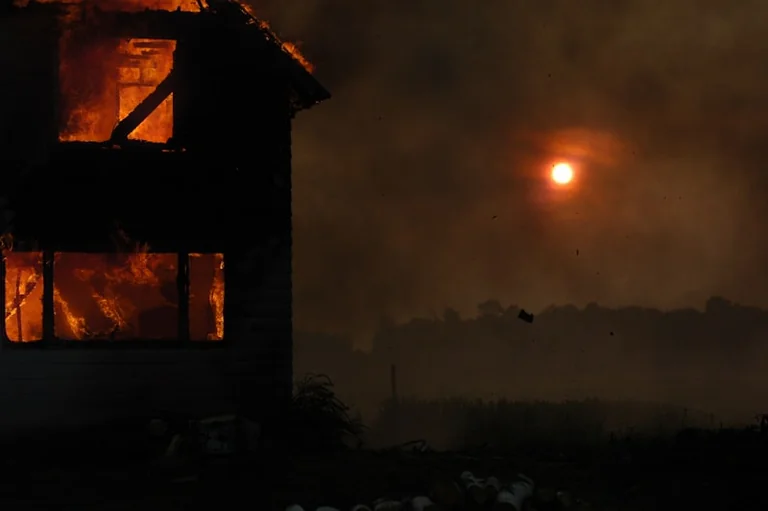
The balanced view is that the incident belongs in the public record, but with clear limits. Readers can understand that a fire happened, that publishers reported road disruption, and that the A9 context gives the story regional significance. They should also understand that live operational details can expire quickly.
This is particularly relevant for search and mobile readers who may encounter the headline hours after the first reports appeared. A closure mentioned in an earlier article may have changed. A first description of the fire may later be refined. A location reference may become more precise. Public-safety stories often move through that pattern: incident, response, disruption, reopening or recovery, then any investigation outcome.
The best article at this stage therefore does two jobs. It preserves what is known, and it makes clear which facts would need confirmation before readers treat the situation as resolved or continuing.
Why the A9 detail raises the stakes
The A9 is one of Scotland’s most significant road corridors. Any incident reported on or near it can have consequences beyond the immediate fire scene because the route carries local, regional and long-distance traffic. That explains why a vehicle fire near Dunkeld can appear in wider news coverage rather than remaining a brief local note.
The road context also creates a common risk for misunderstanding. A headline written during a closure can remain visible after the operational position has changed. Readers may then see an accurate historic report and mistake it for a live status update.
That is why this story should be read as a developing public-safety item, not as a standing travel notice. The published reports show why the event mattered. They do not replace a current official status page or a later service update.
The difference between reported facts and assumptions
A reported fact is something a trusted article or public body has stated directly: for example, that the Dunkeld fire was covered by established news outlets, or that reports described a lorry fire affecting the A9 at the time.
An assumption is a step beyond that: that the route remains closed, that the fire was caused by a specific mechanical fault, that nobody was hurt, that the incident has ended without further consequences, or that a particular public authority will take a certain action next.
Those assumptions may later turn out to be true or false. Until they are publicly confirmed, they should stay outside the core account. This is especially important in public-safety coverage, where readers may act on small wording differences.
The most useful current account is therefore deliberately narrow. It says the Dunkeld fire has been reported by trusted outlets, identifies the public-safety and road context, and marks the unresolved points clearly.
What would change the story next
The next public milestone is a fresh official or trusted update that answers one or more unresolved questions: the confirmed cause of the fire, whether anyone was injured, the final road status, the extent of any damage, and whether emergency services or road authorities consider the incident closed.
A later public statement from emergency services, Police Scotland, a roads authority or another official channel would carry more weight than repeated versions of the first report. A follow-up from BBC News, STV News or The Herald could also add value if it includes new confirmed information rather than restating the initial incident.
Until that happens, the safest summary is that the Dunkeld fire is a confirmed public-interest news event with trusted coverage, reported road impact at the time, and several important details still awaiting public confirmation.
Context & actions About this article
Source check Source context
This article separates published reporting from details that still need public confirmation.
- BBC News coverage of the Dunkeld fire
- STV News report on the A9 lorry fire
- The Herald report on the vehicle fire near Dunkeld
- Later official public updates on cause, injuries and road status
- Source
- BBC News
- Scope
- Dunkeld, Perth and Kinross, Scotland
- Updated
- 2026-05-27 14:27
Source check
Report a trust issue
Send a clear signal to community moderation if the source, facts or context need review.
Article contextPeople & topics#6
What do you think about this article?
Reader Ideas Newsroom
Have a sharper angle for this topic? Add it to the community idea board and let readers vote it up for editorial review.



/linkComments
8+ useful words can earn +10-60 DP; shorter replies can still publish without DP.