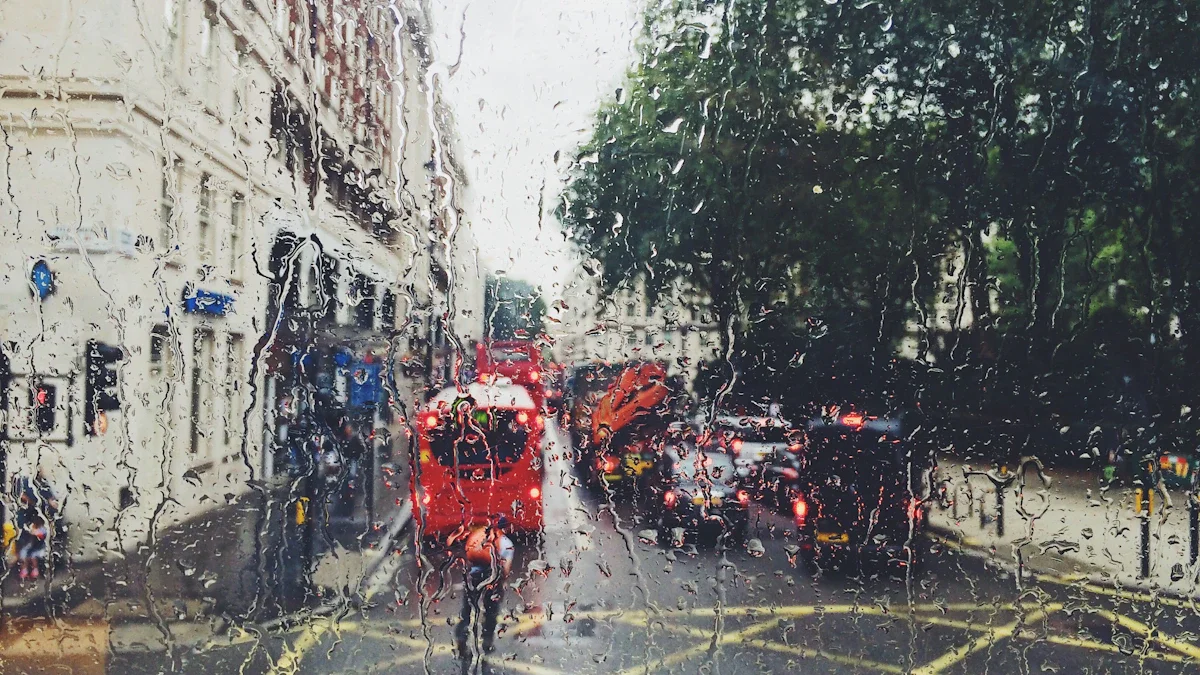
The practical question now is whether the Met Office’s official UK weather warnings page shows an amber warning before the next Monday morning work and school travel window. The source-backed fact is simple: the Met Office runs the official active UK weather warnings page, and its warning guide explains the colour system used to signal likely weather impacts.
The forecast question for Monday morning
- Question: Will the Met Office issue an amber weather warning before Monday morning?
- Deadline: before Monday morning, June 1, 2026.
- YES means: the Met Office official UK warnings page shows at least one amber warning for the UK, England, Scotland, Wales or Northern Ireland before the deadline.
- NO means: no amber warning is visible on the official Met Office UK warnings page before the deadline.
- Primary source trail: Met Office UK warnings page and Met Office warning colour guidance.
What an amber warning means for daily travel
An amber weather warning is not just a stronger version of a wet forecast. In the Met Office colour system, warning colours combine expected impact and likelihood. Amber sits between yellow and red and is used when the risk of disruption is high enough for people to consider changing plans, checking travel routes and preparing for possible delays.
For households, commuters and schools, the timing matters because Monday morning is when roads, rail services, school runs and local services all come under pressure at once. If an amber warning is issued before then, readers may need to check whether the affected area includes their route, school district, workplace or care responsibilities.
The warning type also matters. Amber warnings can relate to different hazards, including wind, rain, snow, ice, thunderstorms, fog or heat. A warning for heavy rain may point to surface water and travel disruption, while an amber wind warning may raise concern about exposed routes, bridges, rail lines and power interruptions.
The official pages that decide the outcome
The resolving source is the Met Office’s official active UK weather warnings page: https://www.metoffice.gov.uk/weather/warnings-and-advice/uk-warnings. That page is the public place to check whether any current or upcoming UK warnings are in force.
The Met Office warning guide at https://www.metoffice.gov.uk/weather/guides/warnings explains the colour framework behind yellow, amber and red warnings. For this article, the guide provides the context for what an amber warning signals, while the active warnings page provides the public fact that resolves the yes-or-no question.
This matters because social posts, local screenshots and travel alerts can spread faster than the official page. They may be useful for awareness, but they should not decide the forecast question. The clean resolution is whether the Met Office itself has issued an amber warning on its warnings service before the deadline.

What would count as YES
A YES outcome would be met if, before Monday morning on June 1, 2026, the Met Office active warnings page lists an amber warning. It does not need to cover the whole UK. A warning for a specific region or nation would still count if it is officially published by the Met Office and visible before the deadline.
The warning also does not need to remain active all day Monday. The key point is issue timing: if an amber warning appears before the Monday morning deadline, the question resolves YES even if the warning later expires, changes area or is updated.
What would count as NO
A NO outcome would apply if the Met Office page shows only yellow warnings, red warnings without any amber warning, no warnings, or guidance that does not include an official amber warning before the deadline.
Unofficial forecasts, model charts, media reports predicting amber conditions, or local authority preparation notices would not be enough on their own. They may indicate risk, but the public resolution requires the Met Office to issue the amber warning.
Why uncertainty remains before the deadline
Weather warnings can change as confidence improves. The Met Office may wait for clearer evidence on track, timing, intensity or affected areas before changing a warning level. That means the absence of an amber warning now does not prove one will not appear before Monday morning.
The most useful reader action is to check the official warnings page again closer to travel time, especially if you are planning early journeys, long-distance rail travel, exposed road routes or outdoor work. If an amber warning appears, read the affected area, valid times and hazard type rather than relying only on the colour.
Source: Met Office
Source check Forecast source trail
This article separates the public warning threshold from the yes-or-no resolution rule.
- Checked against the Met Office active UK weather warnings page.
- Warning colour context comes from the Met Office warnings guide.
- The outcome requires an official amber warning before the stated deadline.
- Source
- Met Office UK weather warnings
- Scope
- United Kingdom
- Updated
- 2026-05-26 00:12
Source check
Report a trust issue
Send a clear signal to community moderation if the source, facts or context need review.
Article contextPeople & topics#6
What do you think about this article?
Reader Ideas Newsroom
Have a sharper angle for this topic? Add it to the community idea board and let readers vote it up for editorial review.






/linkComments
8+ useful words can earn +10-60 DP; shorter replies can still publish without DP.