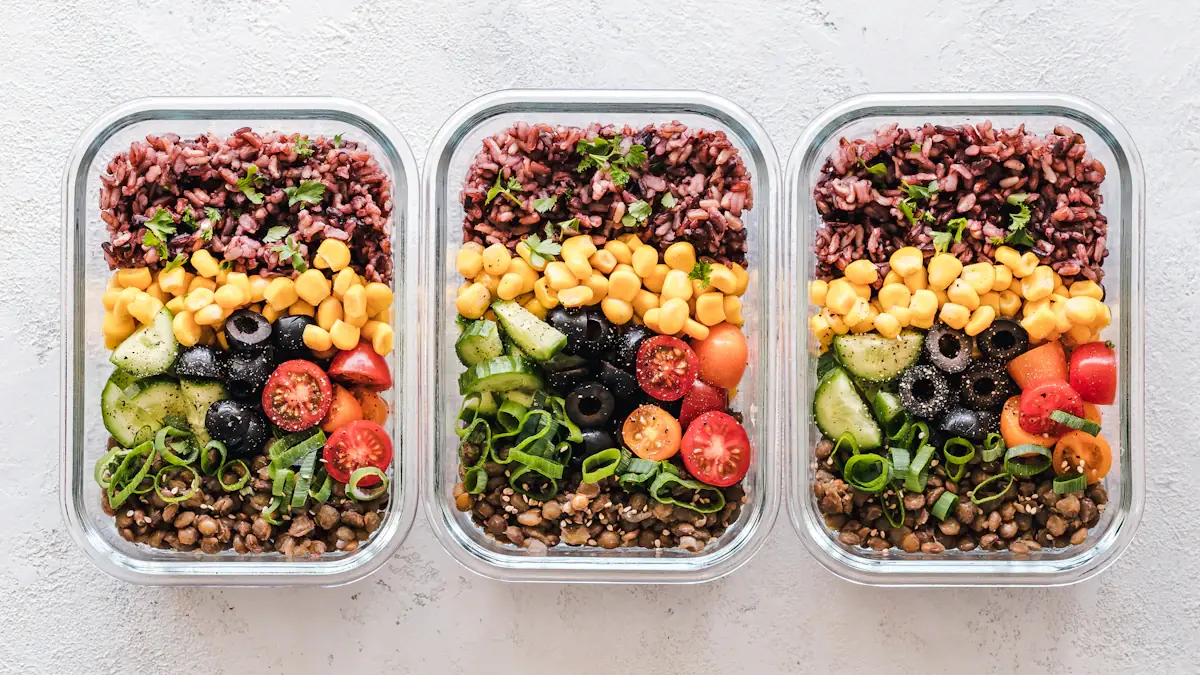
Gary Barlow is drawing fresh UK search interest after new entertainment coverage around Take That, but the practical reader question attached to this topic is simpler: is a freezer-first weekly food plan worth trying when household food budgets feel tight? The answer is yes for some households, provided the plan is built around food you already eat, safe storage, and realistic portions rather than a rigid batch-cooking routine.
Recent UK coverage from the Guardian, BBC and The Times has surfaced around Gary Barlow and Take That, which explains why many readers may be arriving through entertainment searches. This guide uses that attention to answer the useful home question: how to test a freezer-led meal plan without wasting money, freezer space or effort.
Why a freezer-first plan can help with weekly food costs
A freezer-first plan starts with freezer meal planning, using the food already in your freezer, then builds the weekly shop around gaps. That is different from buying ingredients for a full new meal plan and hoping everything gets used.
The cost logic is straightforward. Frozen portions can make expensive ingredients go further, reduce last-minute takeaway pressure and help you avoid buying duplicates. If you freeze leftovers in meal-sized portions, you also create quick options for nights when cooking from scratch is unlikely.
This works best for households that already waste small amounts of cooked food, bread, vegetables, meat, fish or ready-to-cook ingredients. It is less useful if your freezer is already overfilled, badly labelled or packed with food no one wants to eat.
A practical starting point is to treat the freezer as part of the weekly budget, not as a storage cupboard you only open when something has gone wrong.
The safest way to check what is already in your freezer
Before planning meals, do a short freezer audit. You do not need an app or a complicated spreadsheet. A sheet of paper, a phone note or a whiteboard on the fridge is enough.
Check:
- What meals or ingredients are already frozen
- Whether packages are labelled clearly
- Whether anything needs using soon for quality reasons
- Which items can become a main meal, side dish or lunch
- Whether you have enough space for any new batch cooking
For food safety, use Food Standards Agency guidance as the sensible reference point for freezing, defrosting and reheating. The key habit is to avoid guessing. If you do not know what a container is, when it was frozen or whether it was handled safely, do not build a plan around it.
NHS healthy eating guidance is also useful for keeping the plan balanced. A freezer-first week should not become seven beige dinners just because those are the easiest items to store. Aim to include vegetables, fibre-rich carbohydrates and protein across the week.
A simple seven-day freezer-first example
This is not a prescription. It is a model for how a household might think through the week before shopping.
| Day | Freezer-first idea | Fresh top-up |
|---|---|---|
| Monday | Frozen chilli or lentil sauce | Salad leaves or yoghurt |
| Tuesday | Frozen fish fillets or veggie burgers | Potatoes and peas |
| Wednesday | Soup from a frozen batch | Bread or fruit |
| Thursday | Frozen cooked chicken or beans | Wraps, rice or vegetables |
| Friday | Freezer pizza base, sauce or toppings | Side salad |
| Saturday | Frozen mince, tofu or pulses | Pasta and greens |
| Sunday | Leftover portions from the week | Fresh vegetables |
The point is not to make every meal come entirely from the freezer. The aim is to let frozen food carry part of the week, then spend fresh money where it adds most value: fruit, vegetables, dairy, bread, herbs, salad, or ingredients that make frozen portions feel like a proper meal.
When freezer meals save money and when they do not
A freezer-first plan saves money when it stops repeat buying. If you already have frozen rice, sauce, bread, vegetables or cooked portions, you can avoid buying the same thing again.
It can also help with portion control. Freezing two spare portions from a family meal gives you lunch or dinner later, rather than leaving a vague container in the fridge until it is forgotten.

But it can cost more if you batch-cook too much at once, buy special containers you do not need, or freeze meals your household will not choose later. A freezer full of unwanted food is not a saving.
Good candidates for freezing
Meals and ingredients that often work well include soups, stews, sauces, cooked mince dishes, curries, bread, grated cheese, chopped herbs, berries and many vegetables.
Texture matters. Some foods change after freezing. Creamy sauces, salad vegetables and some cooked potatoes may not come back exactly as they went in. That does not make them unsafe, but it may make them less appealing.
The budget test before you start
Ask three questions before cooking extra portions:
- Will someone definitely eat this within the next few weeks?
- Can I freeze it in a useful portion size?
- Do I know how I will reheat or serve it later?
If the answer is no, cook less or freeze the ingredient rather than the finished meal.
Food safety caveats that matter
Freezing is useful, but it is not a magic reset button. Food should be frozen, defrosted and reheated carefully, especially for higher-risk foods such as cooked meat, fish, rice and dairy-based dishes.
Use clear labels with the dish name and freezing date. Cool cooked food before freezing, divide large dishes into smaller containers, and defrost food safely before reheating where required. When reheating, make sure food is heated thoroughly according to reliable food safety guidance.
If you are cooking for babies, older people, pregnant people or anyone with a weakened immune system, be more cautious and check official food safety advice rather than relying on social media tips.
A practical plan for trying it for one week
Start small. A one-week test is enough to see whether the method suits your household.
- List everything in the freezer that could become a meal.
- Pick three dinners that use those items.
- Add two low-effort backup meals for busy evenings.
- Write a short shopping list for fresh top-ups only.
- Label any new leftovers before freezing them.
- At the end of the week, note what was eaten and what was ignored.
The final step matters. If nobody chooses a frozen meal, the problem may be the recipe, portion size or reheating method. Adjust the plan rather than forcing the same system again.
How the Gary Barlow search trend fits this guide
Readers searching Gary Barlow this week are likely seeing a mix of entertainment coverage and practical lifestyle content connected by live UK interest. The Guardian, BBC and The Times have all surfaced in the current source set for the topic, which places the search trend in a mainstream entertainment context.
That does not mean those entertainment sources prove anything about freezer meals, food budgets or health. For those questions, the sensible route is to use official food safety and public health guidance, then apply it to everyday household planning.
The useful next check is personal rather than celebrity-related: open your freezer before your next shop, write down what is already there, and see whether three meals can be built from it without buying a full new basket of ingredients.
Source: theguardian.com
Context & actions About this article
Source check How this guide was framed
Recent UK entertainment coverage explains the Gary Barlow search interest, while the food-planning advice is framed around cautious household practice and official safety context.
- Check Food Standards Agency advice before freezing, defrosting or reheating higher-risk fo...
- Use NHS healthy eating guidance if the freezer plan replaces several weekly meals.
- Treat the Guardian, BBC and The Times links as entertainment context, not food-budget evid...
- Source
- The Guardian
- Scope
- United Kingdom
- Updated
- 2026-05-31 00:20
Source check
Report a trust issue
Send a clear signal to community moderation if the source, facts or context need review.
Article contextPeople & topics#7
What do you think about this article?
Reader Ideas Newsroom
Have a sharper angle for this topic? Add it to the community idea board and let readers vote it up for editorial review.


/linkComments
8+ useful words can earn +10-60 DP; shorter replies can still publish without DP.