Hackney elects Zoë Garbett as borough’s first Green Party mayor
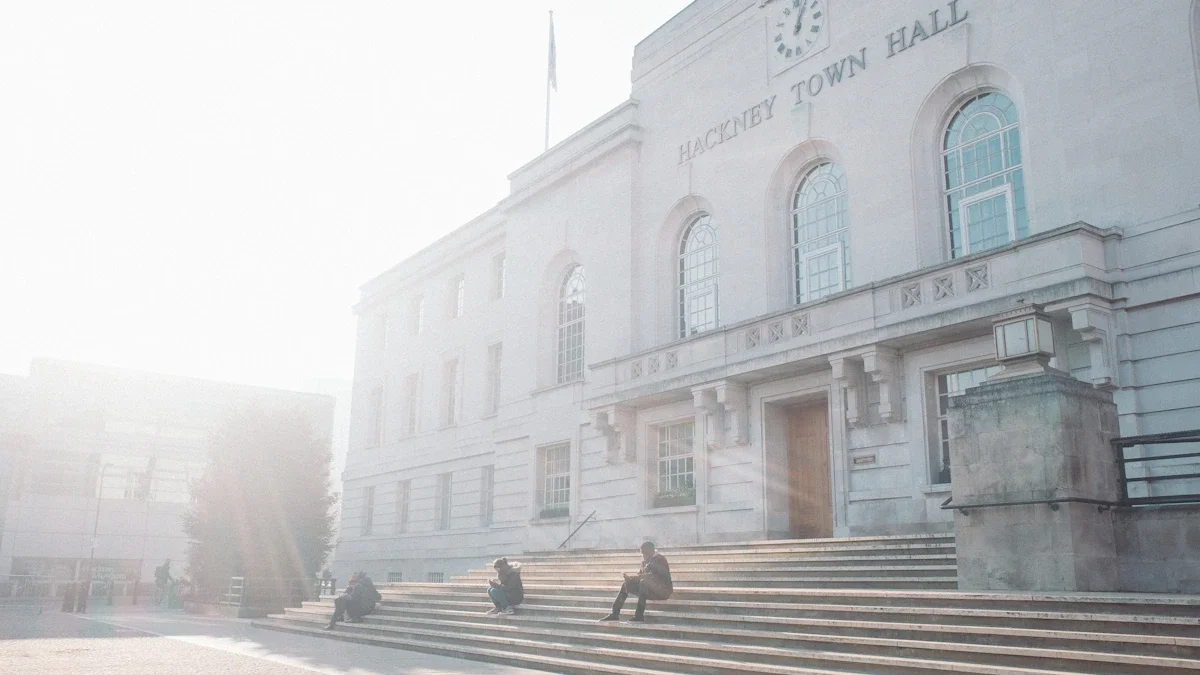
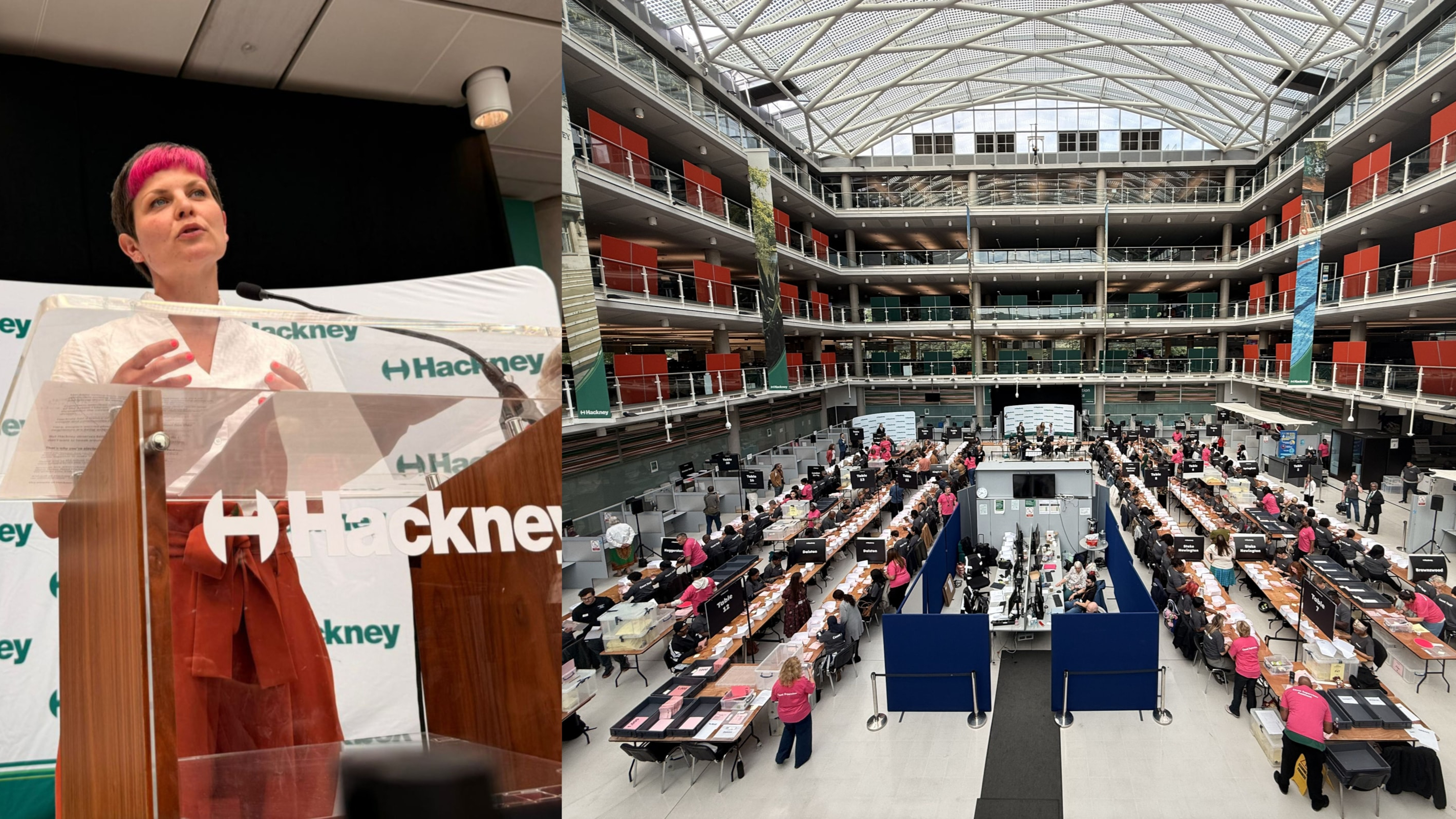
Zoë Garbett has been elected as the Mayor of Hackney, securing a historic victory that sees the Green Party take control of the borough’s executive office for the first time. The election results, confirmed following the count of ballots from across the district, reveal a significant shift in the local political landscape, which has traditionally been a stronghold for the Labour Party.
Garbett won the contest with 35,720 votes, finishing ahead of the Labour Party candidate, Caroline Woodley, who received 26,865 votes. The transition marks the first time a Green Party candidate has held a mayoral position in this part of London, signaling a change in voter priorities regarding local governance and environmental policy.
Final results and voter participation in Hackney
The election saw a total of 76,187 votes cast, representing a turnout of 40.98%. While local elections often see lower engagement than national polls, the turnout in Hackney reflects a focused interest in the direction of the borough’s administration. The distribution of votes across the five candidates was as follows:
- Zoë Garbett (Green Party): 35,720 votes
- Caroline Woodley (Labour Party): 26,865 votes
- Tareke Gregg (Conservative Party): 6,345 votes
- Vahid Almasi (Reform UK): 4,013 votes
- Eva Steinhardt (Liberal Democrats): 2,731 votes
The margin of victory for the Green Party candidate highlights a clear mandate from the participating electorate. Hackney Council officials oversaw the verification and counting process, ensuring the results met all statutory requirements for the mayoral office.
Shift from Labour dominance to Green leadership
For several election cycles, Hackney has been characterized by consistent support for Labour Party leadership. The election of Zoë Garbett disrupts this trend, placing the Green Party in charge of the borough’s significant annual budget and its wide-ranging public services. This change is expected to bring new perspectives to the council’s approach to social housing, local transport infrastructure, and climate resilience initiatives.
Caroline Woodley, representing the Labour Party, had previously served in local leadership roles, making this result a notable departure from the established political order. The performance of the Conservative Party and Reform UK remained in the single digits, while the Liberal Democrats secured the fifth position in the final tally.
What this means locally
- Political Milestone: Hackney becomes the first borough in this region to elect a Green Party mayor, potentially influencing future local elections across London.
- Policy Direction: The new administration is expected to prioritize environmental sustainability and community-led urban planning.
- Executive Authority: As Mayor, Garbett will hold the power to appoint a cabinet and set the strategic direction for Hackney Council services, including education and social care.
Immediate responsibilities for the new Mayor
The Mayor-elect will formally take office following the standard transition period. The immediate focus for the incoming administration involves reviewing the current council budget and meeting with senior directors at Hackney Council to ensure the continuity of essential services.
One of the primary tasks for the new mayor will be addressing the ongoing housing challenges in the borough and managing the local response to broader economic pressures affecting residents. The Green Party’s manifesto during the campaign emphasized a commitment to transparent governance and increased investment in public spaces, which will now be tested as the party moves from opposition into executive power.
Source: Hackney Council