Leeds Voters Deliver Hung Council as Reform UK and Greens Gain Seats
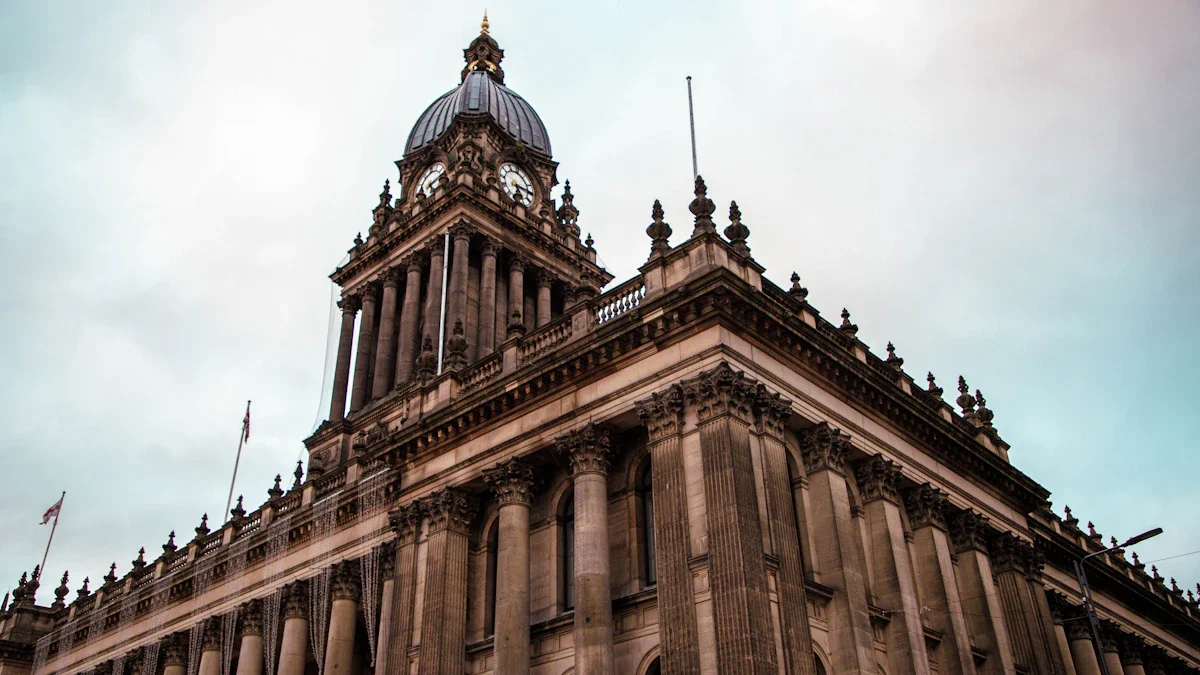
Leeds has entered a period of political uncertainty after the Labour Party lost its overall majority on the City Council. Following the counting of votes for 36 contested seats, the council is now in a state of “no overall control,” meaning no single party holds the 50 seats required for an absolute majority in the 99-seat chamber.
Labour remains the largest single group with 48 seats but suffered a net loss of eight councillors. This shift follows a campaign where 36 council seats up for election drew significant local attention to neighborhood services and city-wide infrastructure projects. The result reflects a diversifying political landscape in Leeds, moving away from the traditional dominance of the two largest national parties.
New political composition of Leeds City Council
The 2026 local elections saw contests in all 33 wards of the city, with additional vacant seats filled in Adel and Wharfedale, Morley North, and Temple Newsam. The final distribution of the 99 seats shows a significant surge for smaller parties and independent groups.
| Political Group | Total Seats (Change) |
|---|---|
| Labour | 48 (Down 8) |
| Conservative | 14 (Up 1) |
| Green Party | 11 (Up 5) |
| Reform UK | 10 (Up 8) |
| Liberal Democrats | 6 (Unchanged) |
| Garforth and Swillington Independents | 3 (Unchanged) |
| Morley Borough Independents | 3 (Unchanged) |
| Social Democratic Party (SDP) | 3 (Unchanged) |
| Independent | 1 (Unchanged) |
Reform UK and Green Party secure significant gains
Reform UK emerged as one of the most successful parties in this cycle, increasing their representation from two seats to ten. This eight-seat gain positions them as a significant voting bloc within the council, potentially influencing future policy decisions on local taxation and planning.
The Green Party also strengthened its position, moving from six seats to eleven. These gains suggest that environmental policies and local sustainability initiatives resonated strongly with voters in specific urban and suburban wards. Meanwhile, the Conservative Party saw a marginal increase of one seat, bringing their total to 14, maintaining their position as the official opposition despite the rise of Reform UK.
Local governance and the impact of a hung council
With no single party holding an absolute majority, the day-to-day administration of Leeds will require cooperation between different political groups. Under a “no overall control” scenario, the largest party—in this case, Labour—usually attempts to form a minority administration or seeks a formal coalition or informal “confidence and supply” agreement with smaller parties or independents.
This outcome may lead to more intense debate over the city budget and long-term development plans, as the ruling group will need to secure support from rival parties to pass key legislation. The turnout for the city was recorded at 41.49 per cent, reflecting a relatively high level of engagement for a local election cycle.
Next steps for the new administration
The immediate focus for the 99 elected councillors will be the annual council meeting, where the leader of the council and the Lord Mayor are formally appointed. During this period, party leaders will engage in private discussions to determine how the city will be governed for the coming year.
Residents can view the specific ward-by-ward breakdowns, including the exact number of votes cast for each candidate, through the official Leeds City Council election portal. The results in Adel and Wharfedale, Morley North, and Temple Newsam were particularly scrutinized due to the multiple vacancies available in those areas, contributing to the overall shift in the council’s makeup.
Source: Leeds City Council