How a Leicester museum sparked Sir David Attenborough’s 100-year journey
In 1932, a young boy moved into a house on the grounds of what is now the University of Leicester. He spent his afternoons scouring the local landscape for fossils and his weekends volunteering at the nearby museum. That boy was David Attenborough, and as he prepares to celebrate his 100th birthday this Friday, 8 May, the city where his passion for the natural world was ignited is reflecting on a century of his extraordinary influence.
Sir David Attenborough remains one of the world’s most respected broadcasters, yet his global career is rooted in the specific geography of Leicester. His father, Frederick Attenborough, served as the second Principal of University College, leading the family to live directly on the campus. This academic environment, paired with his education at the nearby Wyggeston Grammar School for Boys—now Wyggeston and Queen Elizabeth I College—provided the foundation for a life dedicated to observation and education.
From campus childhood to global conservation icon
The Attenborough family’s connection to the city was not merely residential; it was deeply intellectual and cultural. While Sir David was developing his eye for the natural world, his father was championing the arts, serving as a patron for Leicester’s first exhibition of German Expressionist art in 1944. This blend of scientific curiosity and cultural appreciation defined the upbringing of both David and his brother, the late Lord Richard Attenborough.
In 1989, the city formally recognized this remarkable family contribution by granting both Sir David and Richard the Honorary Freedom of the City of Leicester. It was a gesture that acknowledged how two brothers, raised in the heart of the East Midlands, went on to change the way the world views both cinema and the environment.
The museum fossils that sparked a lifelong obsession
Central to Sir David’s development was the Leicester Museum & Art Gallery. As a young volunteer, he spent countless hours among the natural science and geological collections. These were not just dusty artifacts to him; they were keys to understanding the history of life on Earth.
Reflecting on these formative years during a visit in 2010, Sir David recalled how the museum staff helped him identify the fossils he found. He noted that the influence of the institution had a profound effect on his career, providing the initial spark for the curiosity that would eventually lead him to every continent on the planet. The museum acted as a bridge between a local hobby and a professional calling.
A family legacy of art and culture in Leicester
The Attenborough legacy in the city extends beyond natural history. In 2007, the family’s commitment to Leicester’s cultural wealth was further cemented when Lord Richard and Lady Sheila Attenborough donated their world-renowned collection of Picasso ceramics to the city’s museums. This collection remains a significant draw for art lovers, mirroring the way Sir David’s work draws people toward science.
This tradition of generosity ensures that the Attenborough name is woven into the fabric of the city’s public institutions. From the university campus where they lived to the gallery walls they helped furnish, the family has left an indelible mark on the region’s intellectual landscape.
Celebrating a centenary with archival treasures and portraits
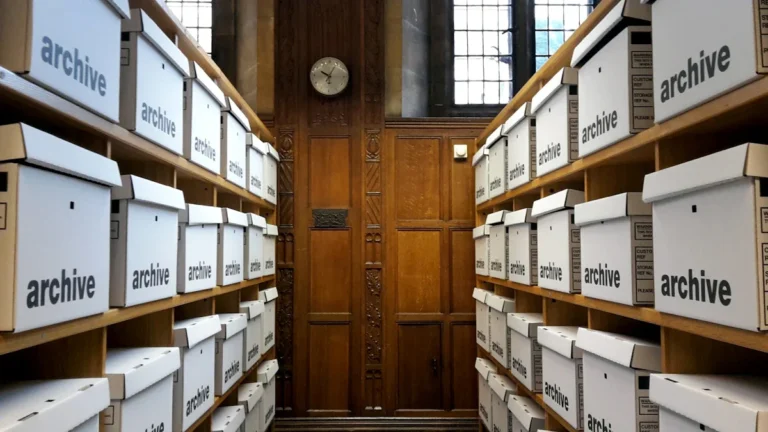
To mark the milestone of Sir David’s 100th birthday, Leicester Museums & Galleries has launched a digital archive dedicated to his association with the city. This resource features rare photographs and video footage from the archives, illustrating his journey from a local schoolboy to a national treasure.
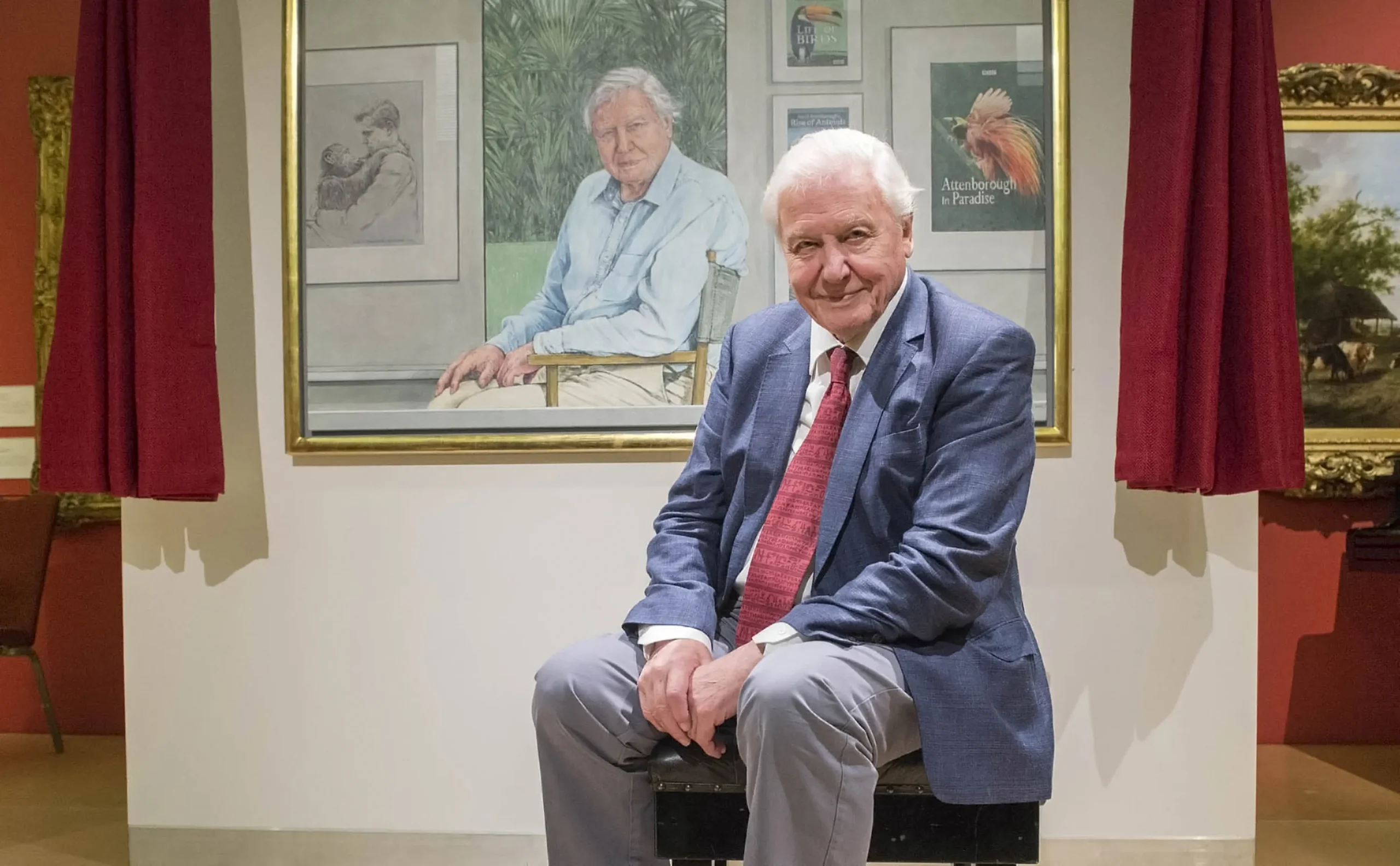
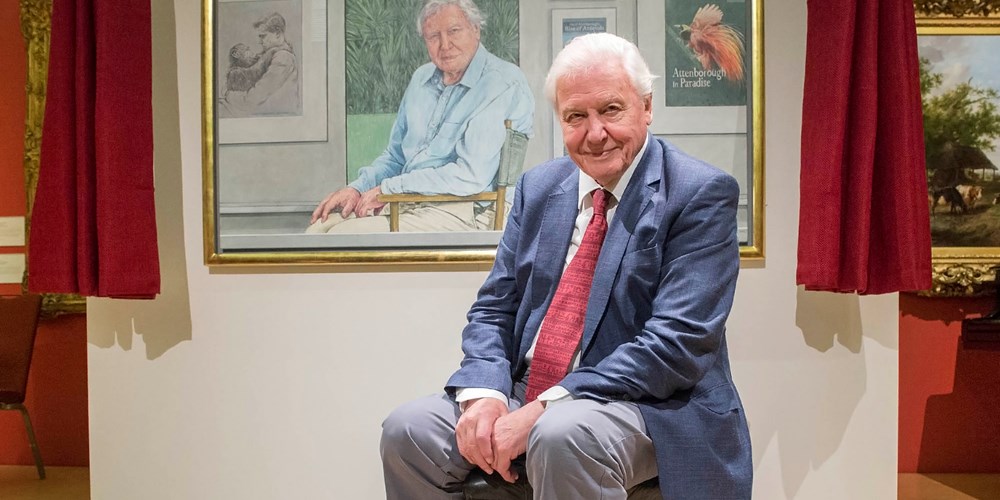
Visitors to the Leicester Museum & Art Gallery can also view a significant piece of contemporary history: a portrait of Sir David by Leicester-born artist Bryan Organ. Commissioned for his 90th birthday in 2016, the painting captures the naturalist in a moment of reflection, standing as a permanent tribute to his link with the building where his journey began.
City Mayor Peter Soulsby noted that while Sir David’s career has inspired millions globally, the story began with the nurturing environment of Leicester’s local institutions. As the country celebrates this centenary, the city remains a focal point for those looking to understand the origins of Britain’s most beloved naturalist. Local organizations across the county are currently finalizing a series of events to commemorate the occasion, ensuring the centennial is marked with the same spirit of discovery that Sir David has championed for decades.
Source: Leicester City Council