Kaunas Public Transport: New Rules for Assistance Dogs and Pets
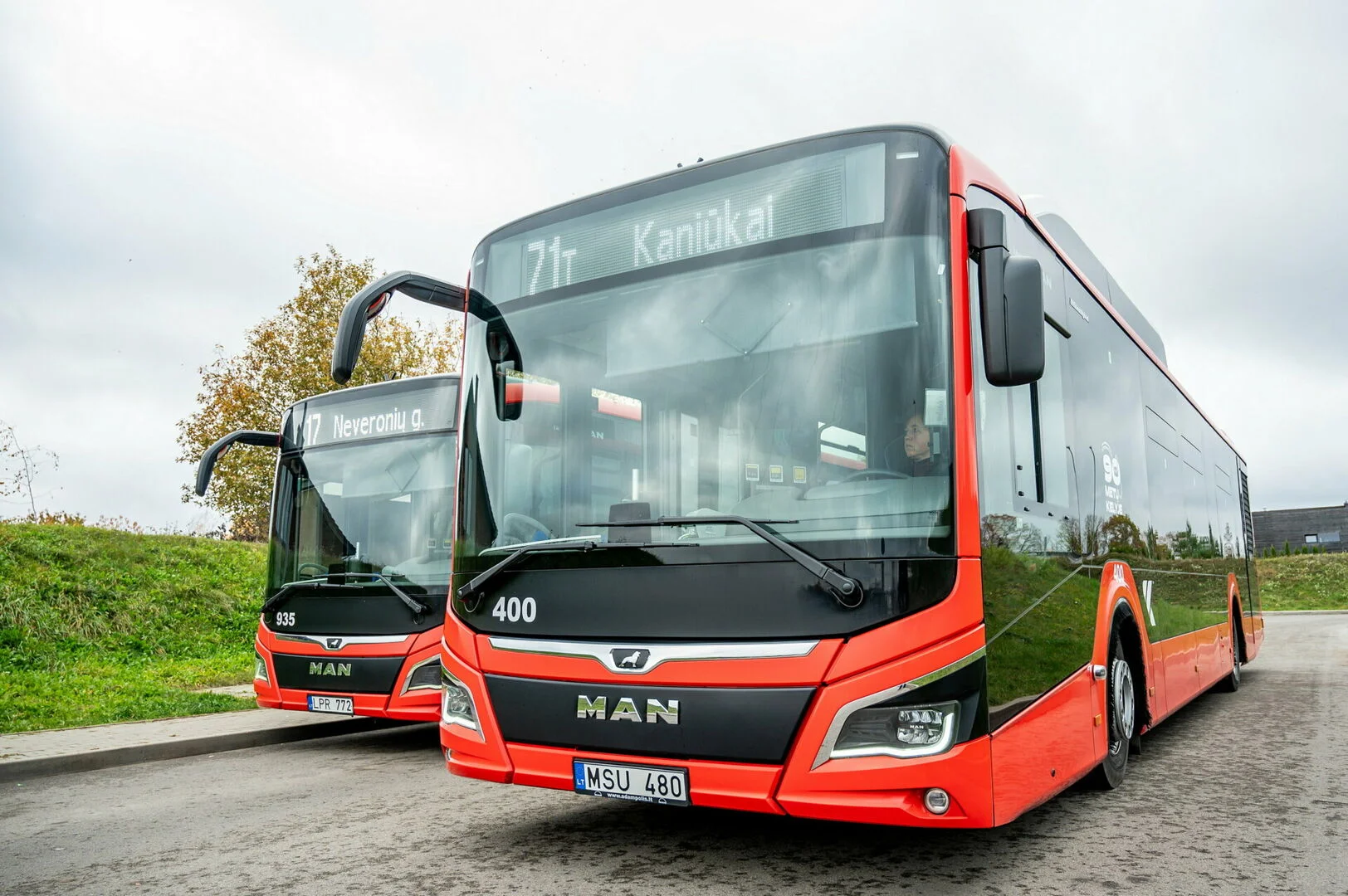
Lithuania’s second-largest city, Kaunas, is undergoing a significant shift in its urban mobility policies, aiming to become one of the most inclusive transit hubs in the Baltic region. Recent amendments to the city’s public transport regulations have been approved to provide better clarity and expanded rights for passengers traveling with animals. These changes represent a two-tier approach: immediate improvements for pet owners and a long-term, legally binding commitment to broader accessibility for those with disabilities.
The updates, recently ratified by the Kaunas City Council, address a growing demand for pet-friendly urban infrastructure while ensuring that public transport remains a viable and safe option for all residents. By modernizing these rules, Kaunas aligns itself more closely with Western European standards, where the presence of assistance animals and well-behaved pets on buses and trolleybuses is increasingly seen as a standard public service rather than an exception.
Expanded Rights for Assistance Dogs
A pivotal change in the regulations focuses on the legal definition of assistance animals. Historically, the wording in Kaunas transport rules was narrow, specifically referencing “guide dogs for the blind.” Recognizing that disabilities are diverse and that assistance dogs serve various roles—including mobility assistance, seizure alert, and support for neurodivergent individuals—the council has expanded this terminology.
Starting June 1, 2026, the updated regulations will officially recognize all certified assistance dogs. This transition period allows for the necessary administrative adjustments and public awareness campaigns. Under the new rules, any person with a disability has the right to travel with their assistance dog, provided they carry documentation (or a copy) confirming the animal’s status. Notably, this right also extends to professional trainers who are in the process of schooling a “candidate” assistance dog, ensuring that service animals are properly socialized in real-world transit environments before they begin their official duties.
For these specialized animals, the standard restrictions applied to pets are waived. Assistance dogs do not need to wear muzzles, are not subject to peak-hour bans, and travel free of charge. However, they are strictly prohibited from occupying passenger seats.
Traveling with Pets: Current Requirements
While the expanded assistance dog rules have a future implementation date, new provisions for general pet ownership are already in effect. Since the start of 2024, Kaunas has permitted dogs to travel on public transport without a carrier or crate, provided certain conditions are met to ensure the comfort and safety of other passengers.
To help travelers plan their journeys, the following table outlines the specific requirements for non-assistance pets:
| Requirement | Detail |
|---|---|
| Peak Hour Restrictions | No travel allowed 07:00–09:00 and 17:00–19:00 (Weekdays) |
| Leash Length | Must be kept on a leash no longer than 0.5 meters |
| Safety Gear | Muzzles are mandatory (except for breeds where a muzzle is physically impossible) |
| Documentation | Owners must carry a valid pet vaccination passport |
| Hygiene | Owners are legally responsible for cleaning any mess immediately |
A Move Toward Inclusive Urbanism
The shift in Kaunas reflects a broader universal issue: how modern cities balance the needs of diverse populations. By allowing pets during off-peak hours, the city supports pet owners who may not own cars, while the upcoming 2026 changes for assistance dogs remove significant barriers to independence for disabled residents and visitors.
This policy evolution is particularly relevant for the international community and the Lithuanian diaspora. As Kaunas continues to grow as a center for education and tech, these quality-of-life improvements make the city more navigable for expats and tourists who are used to the pet-friendly transit systems of cities like London or Berlin.
The city council emphasized that the move from a narrow regulatory framework to an inclusive system is about more than just transport; it is about dignity and the right to move freely within the urban environment. Passengers are encouraged to familiarize themselves with these rules to avoid fines and to ensure that the transit experience remains pleasant for everyone, whether they are traveling with a four-legged friend or not.
Source: BNS