Labour maintains Hounslow majority as Reform UK secures eight seats
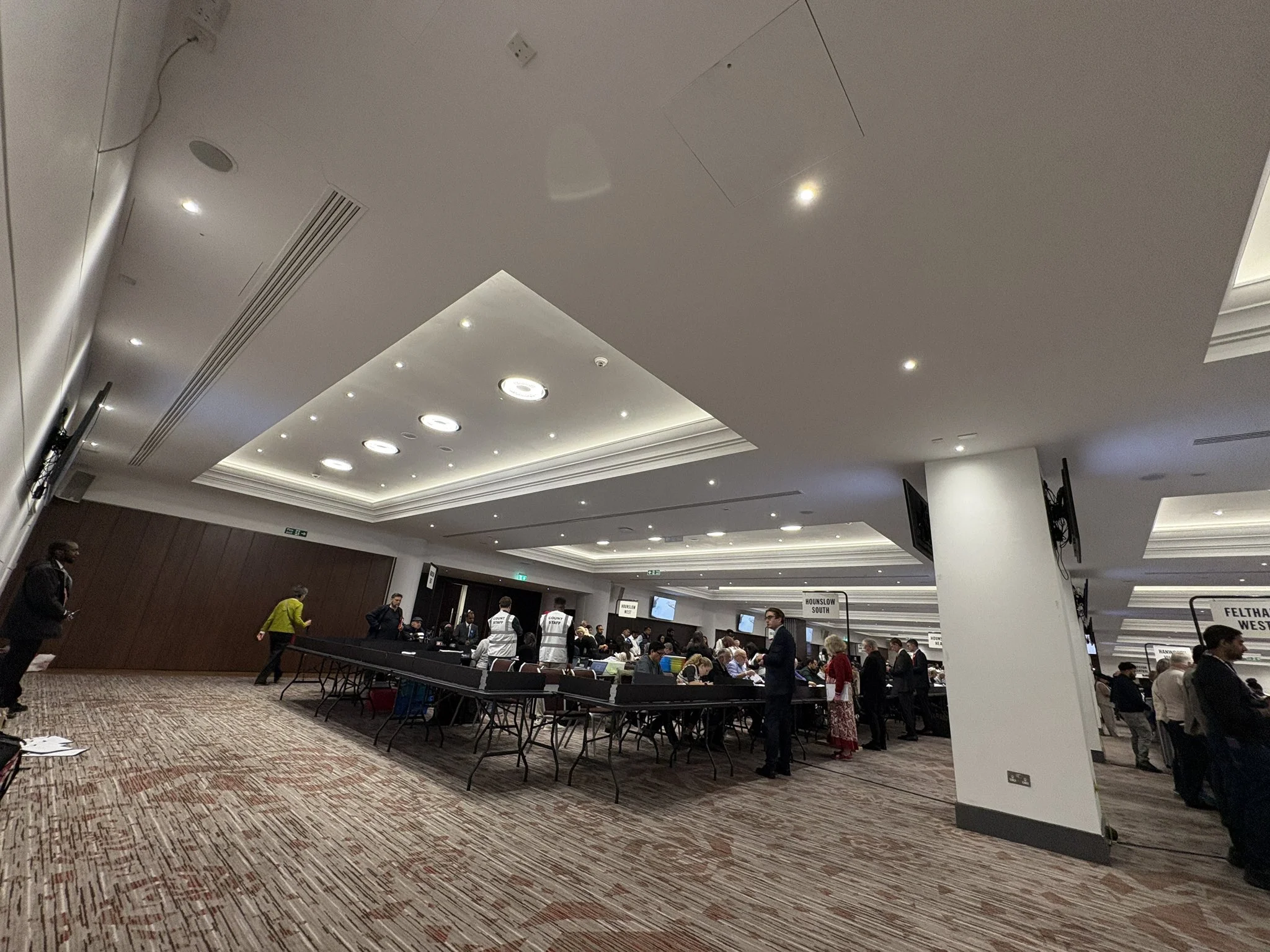
The political landscape of West London has shifted following the latest local election results, with the Labour Party retaining its governing majority on Hounslow Council. In a count that saw increased voter engagement compared to previous cycles, Labour secured 32 of the 62 available seats, ensuring the party continues its leadership of the borough administration.
While Labour remains the dominant force, the emergence of a more diverse chamber marks a change in the local authority’s composition. The Conservative Party remains the primary opposition with 17 seats, but the most notable shift comes from Reform UK, which successfully captured 8 seats across the borough’s 22 wards. The remaining seats are distributed among the Green Party with three, the Liberal Democrats with one, and a single Independent representative.
Labour retains governing majority in Hounslow
By securing 32 seats, the Labour Party has surpassed the threshold required to maintain control of the council. This result allows the party to move forward with its existing policy agenda and administrative structure. However, the margin of control has narrowed compared to historical highs, as the total of 62 seats is now split between six different political designations.
This distribution suggests a more fragmented debate within the council chamber over the coming four-year term. The presence of 17 Conservative members and 8 Reform UK members creates a substantial block of 25 seats on the right of the political spectrum, which may influence how the Labour administration approaches budget scrutiny and local planning decisions.
New political landscape across 22 wards
| Party | Seats Won |
|---|---|
| Labour | 32 |
| Conservative | 17 |
| Reform UK | 8 |
| Green Party | 3 |
| Liberal Democrats | 1 |
| Independent | 1 |
The results reflect a broader trend of political diversification within the London Borough of Hounslow. The Green Party’s three seats and the Liberal Democrats’ single seat ensure that environmental and centrist perspectives remain part of the formal debate. The election of an Independent councillor further highlights specific localized concerns that resonated with voters in particular wards.
As Hounslow residents headed to the polls to determine this outcome, the focus remained on local services, housing, and transport. The new seat distribution means that committee assignments and cross-party discussions will likely require more negotiation than in previous administrations where two parties held nearly all the influence.
Voter engagement climbs above 2022 levels
One of the most significant data points from this election is the turnout, which reached 41%. This figure represents a notable increase over the 2022 local elections, indicating a higher level of civic participation among the local population. A 41% turnout in a local election is often viewed by analysts as a sign of high public interest in municipal management and local taxation issues.
Mandy Skinner, the Returning Officer and Chief Executive of Hounslow Council, oversaw the smooth running of the democratic process. She expressed gratitude to the community members and council staff who supported the polling stations and the subsequent count. Skinner noted the importance of local elections as a cornerstone of democracy and confirmed the administration’s readiness to begin working with the newly elected members.
Administration prepares for new four-year term
The newly elected council will now convene to formalize the leadership structure and cabinet positions. For Labour, the immediate priority will be confirming the Council Leader and establishing the policy framework for the 2026-2030 period. The increased presence of Reform UK and the steady numbers for the Conservatives and Greens will likely lead to a more robust challenge on the council’s executive decisions.
Residents can access the full breakdown of results for each of the 22 wards, including specific vote tallies for every candidate, through the official council portal. These figures provide a granular look at how different neighborhoods within Hounslow voted, revealing the specific areas where the various parties gained or lost ground during this election cycle.
Source: London Borough of Hounslow