Lithuania Eyes Return to 80sqm Permit-Free Garden Home Rules
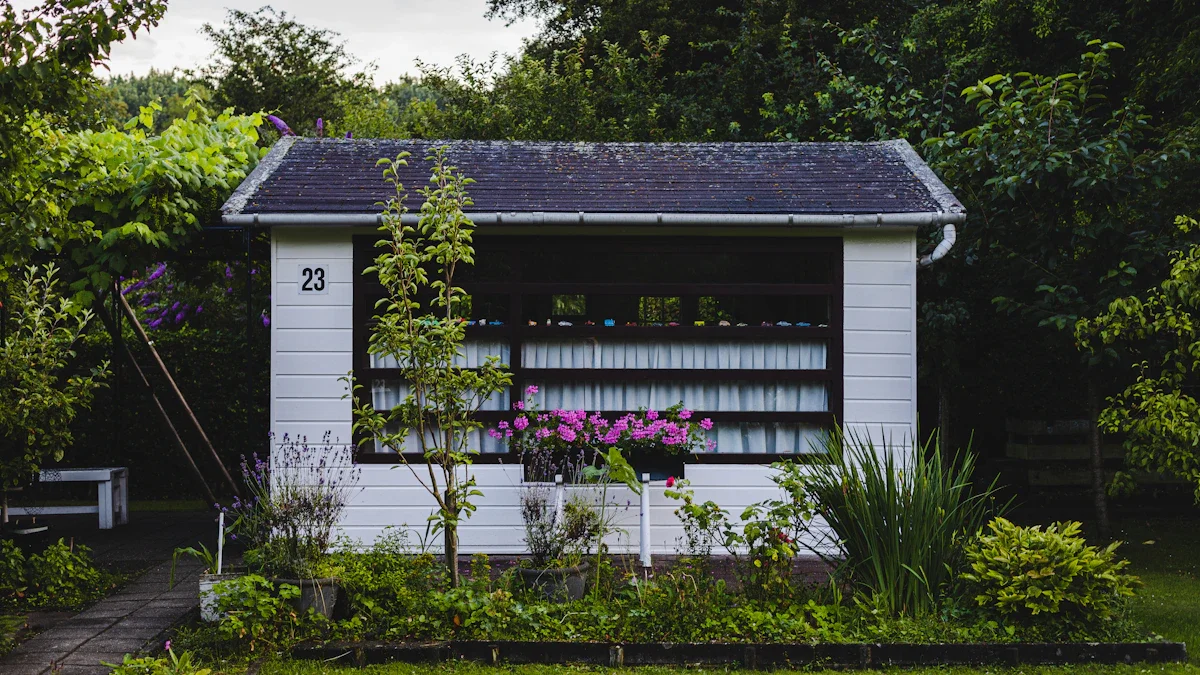
A significant legislative shift is being proposed in Lithuania that could drastically reduce the cost and administrative burden for those looking to build small homes. Linas Jonauskas, a member of the Social Democratic Party and Chairman of the Seimas Committee on Environmental Protection, has officially registered amendments to the Law on Gardeners’ Associations. The proposal seeks to restore building regulations that were in place until November 2024, allowing for larger structures to be built on garden plots without the need for a formal building permit.
Under the proposed changes, single-family residential houses and garden buildings with a floor area of up to 80 square metres and a height of up to 8.5 metres would no longer require a building permit. This marks a significant departure from the current restrictive regime, which mandates permits for any structure exceeding 50 square metres in area or 5 metres in height.
Reducing the Financial Burden on Homeowners
The primary motivation behind the amendment is to alleviate what Jonauskas describes as an “excessive bureaucratic and financial burden” on citizens. Currently, any homeowner wishing to build a modest 60 or 70-square-metre home must undergo a full architectural project design and permit acquisition process.
According to the MP, these requirements can add upwards of €5,000 to the cost of a project. Beyond the financial hit, the coordination processes with municipal authorities often take anywhere from several months to a full year. For many families, this delay and expense represent a significant barrier to achieving homeownership, particularly as the cost of living and construction materials continues to fluctuate.
The Evolution of Garden Communities
The proposal reflects a broader demographic shift within Lithuania. Historically, garden communities (known locally as sodų bendrijos) were intended for seasonal use—small plots with sheds for tools and weekend retreats. However, in the last decade, these areas have transformed into permanent residential districts.

High property prices in city centres like Vilnius, Kaunas, and Klaipėda have pushed young families and individuals with lower incomes toward the outskirts. For many, a garden plot represents the only affordable way to own a detached home. Jonauskas argues that the state should be facilitating this transition rather than complicating it. “Today, gardens are no longer just places for summer recreation. For many, they are becoming a permanent place of residence,” Jonauskas stated, emphasizing that the law needs to catch up with the reality of modern living.
Comparative Building Standards
| Feature | Current Regulation (Post-Nov 2024) | Proposed Amendment |
|---|---|---|
| Permit-Free Area Limit | Up to 50 sq. metres | Up to 80 sq. metres |
| Permit-Free Height Limit | Up to 5 metres | Up to 8.5 metres |
| Estimated Red Tape Cost | €5,000+ for larger builds | €0 for builds under 80sqm |
| Approval Timeline | 3–12 months | Immediate (Notification only) |
In defending the proposal, the Committee Chairman noted that Lithuania’s current restrictions are tighter than those in several neighbouring countries. Poland, Latvia, and Estonia have all implemented similar measures to simplify the construction of small-scale residential buildings. In these jurisdictions, minimal administrative requirements are the standard for smaller homes, a move that has been credited with helping to stabilize the housing market and encourage rural and suburban development.
Legislative Path Forward
The registration of these amendments is the first step in a legislative process that will require approval from the Seimas. If passed, the law would provide immediate relief to thousands of property owners currently caught in the permit backlog. Critics of the move often cite concerns regarding urban planning and the potential for haphazard development in garden areas, but proponents argue that the 80-square-metre limit is a reasonable threshold that balances safety with the urgent need for affordable housing solutions.
For residents currently planning a build, the outcome of this vote could mean the difference between starting construction this season or waiting another year for bureaucratic clearance.
Source: BNS