Chester and Frodsham wildlife gets a boost at new Grange Woods habitat bank
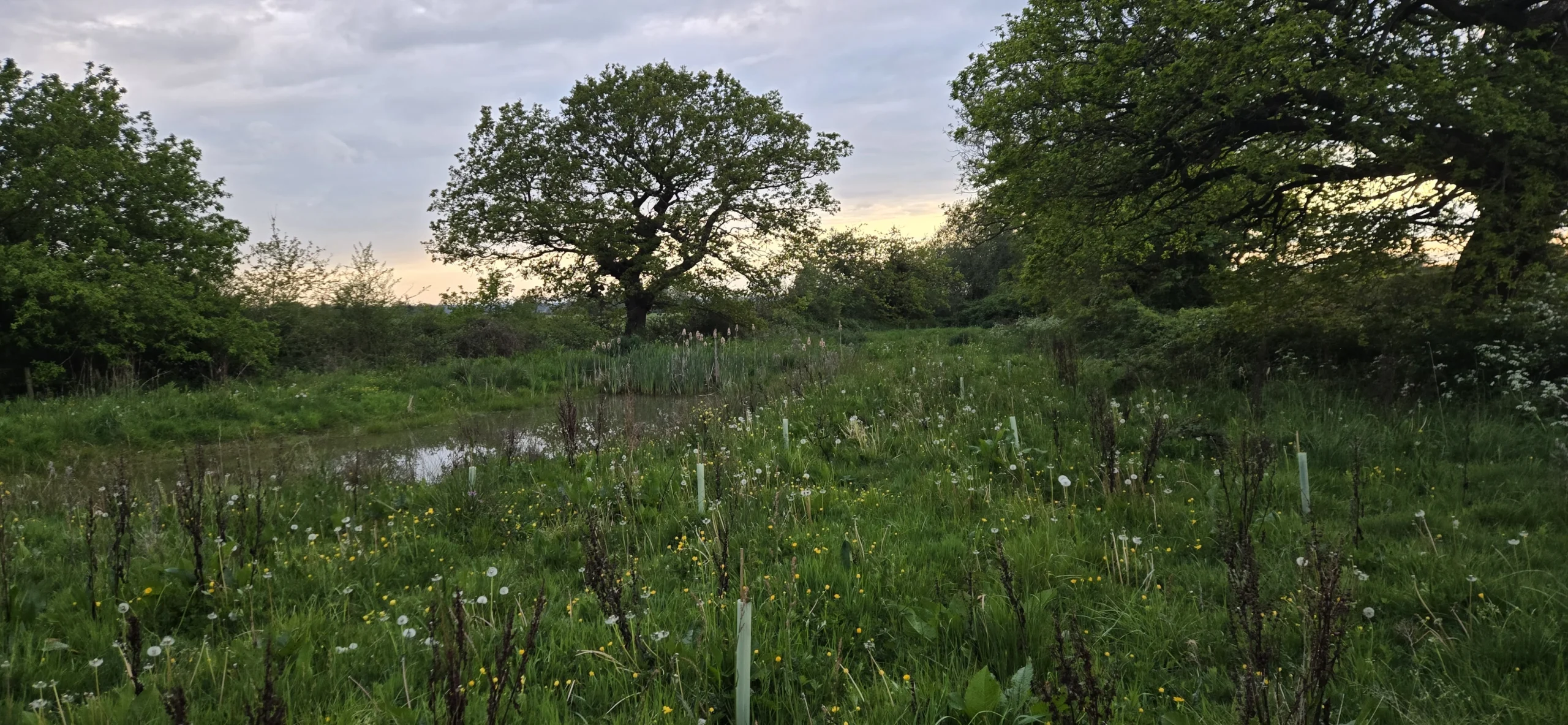
A significant stretch of land between Chester and Frodsham is being transformed into a permanent sanctuary for native species as the region’s first dedicated habitat bank opens. Grange Woods, an 8.56-hectare site, has been officially registered with Natural England to ensure long-term environmental protection and ecological restoration.
This initiative comes at a critical time for the regional environment. Records show that 156 species in Cheshire have become extinct since 1950. By establishing this protected zone, Cheshire West and Chester Council aims to provide a resilient landscape where native plants and animals can establish stable populations away from the pressures of urban development.
Creating a diverse sanctuary at Grange Woods
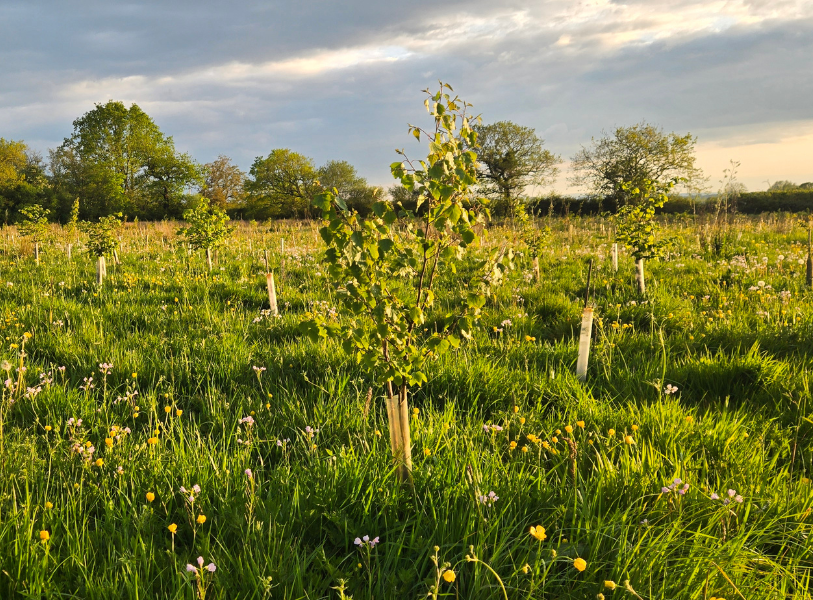
The transformation of the Grange Woods site involves the creation of a connected network of different ecosystems. Plans include the establishment of species-rich grassland and the planting of native broadleaved woodland. A series of carefully designed ponds will also be introduced to support aquatic life.

By linking these different environments, the project allows species to move freely across the site. This connectivity is essential for genetic diversity and the long-term survival of local populations. Once the habitats are established, the site is expected to support a wide array of pollinating insects, including bees and butterflies, alongside birds, bats, and small mammals. The new ponds are specifically intended to provide breeding grounds for amphibians such as newts, frogs, and toads.
Biodiversity Net Gain funding for long-term management
The habitat bank operates through the Biodiversity Net Gain (BNG) system, a mandatory requirement in the current planning framework. Most new developments are now legally required to deliver at least a 10% net gain for biodiversity. When developers cannot achieve this increase entirely within their own building sites, they must fund habitat creation elsewhere.

By purchasing BNG units from the Grange Woods register, developers provide the financial resources necessary to manage and maintain the site for decades. This model shifts the financial burden of conservation from the taxpayer to the development sector, ensuring that Grange Woods remains a viable wildlife haven for the long term. All gains and ecological improvements at the site are tracked via a national register following baseline ecological assessments.
Expanding the nature recovery network across the borough
Grange Woods is the first of several planned sites designed to bolster the Cheshire and Warrington Local Nature Recovery Strategy. Gemma Davies, Director of Economy and Housing at Cheshire West and Chester Council, confirmed that the local authority is currently developing units at four other large-scale habitat banks. These future sites will encompass a variety of landscapes, including scrub, wetland, and watercourse units.
In addition to council-led projects, the private sector is also entering the biodiversity market. A Section 106 agreement has been reached with Bioscape Developments for the Eaton Lane Habitat Bank in Davenham. This site has also joined the national Biodiversity Gain Site Register, further increasing the availability of habitat units for local development projects. These combined efforts are intended to create a continuous corridor for nature throughout the borough, supporting both the local environment and the regional economy through sustainable growth.