Lithuania Launches ‘Mission 75/28’ to Save 28,000 Lives from Hypertension

Lithuanian health authorities have launched a massive national offensive against what they describe as a “silent killer” claiming thousands of lives annually. The initiative, titled “Mission 75/28,” aims to dramatically improve hypertension control across the country, where recent data reveals that more than half of the population aged 30 to 79—approximately 54%—suffers from high blood pressure.
The project is a joint effort between the Lithuanian Hypertension Society, the Lithuanian Society of Cardiology, and the Lithuanian College of Family Physicians. Its primary objective is to prevent the onset of myocardial infarction, heart failure, strokes, and kidney failure by ensuring patients reach their clinical treatment goals and adhere to prescribed medication regimens. Experts suggest that by optimizing treatment and utilizing single-pill combinations, Lithuania could prevent up to 28,000 premature deaths by 2028.
Cardiovascular Risk in the European Context
Lithuania currently sits within the highest cardiovascular risk zone in Europe. During a press conference ahead of World Hypertension Day, Tomas Lapinskas, President of the Lithuanian Society of Cardiology, highlighted the severity of the regional crisis. He noted that the “eastern flank of Europe” remains a high-risk zone, with mortality rates from cardiovascular diseases exceeding 600 deaths per 100,000 inhabitants.

This high prevalence of hypertension is not merely a statistical anomaly but a systemic public health challenge. The “Mission 75/28” framework seeks to raise the rate of blood pressure control to 75% among participating patients by the year 2028. Currently, the project has entered its first phase with eight medical institutions across various Lithuanian cities participating, with the hope that up to 50% of the nation’s family doctors will eventually join the initiative.
Data-Driven Case Management
Mindaugas Sinkevičius, head of the Šeškinė Polyclinic, emphasized the importance of hard data in managing the crisis. Initial audits within the project have allowed clinics to review thousands of patient records. In one sample of 20,000 diagnosed patients, only 60% had their blood pressure under control, leaving 40% at high risk for catastrophic health events.
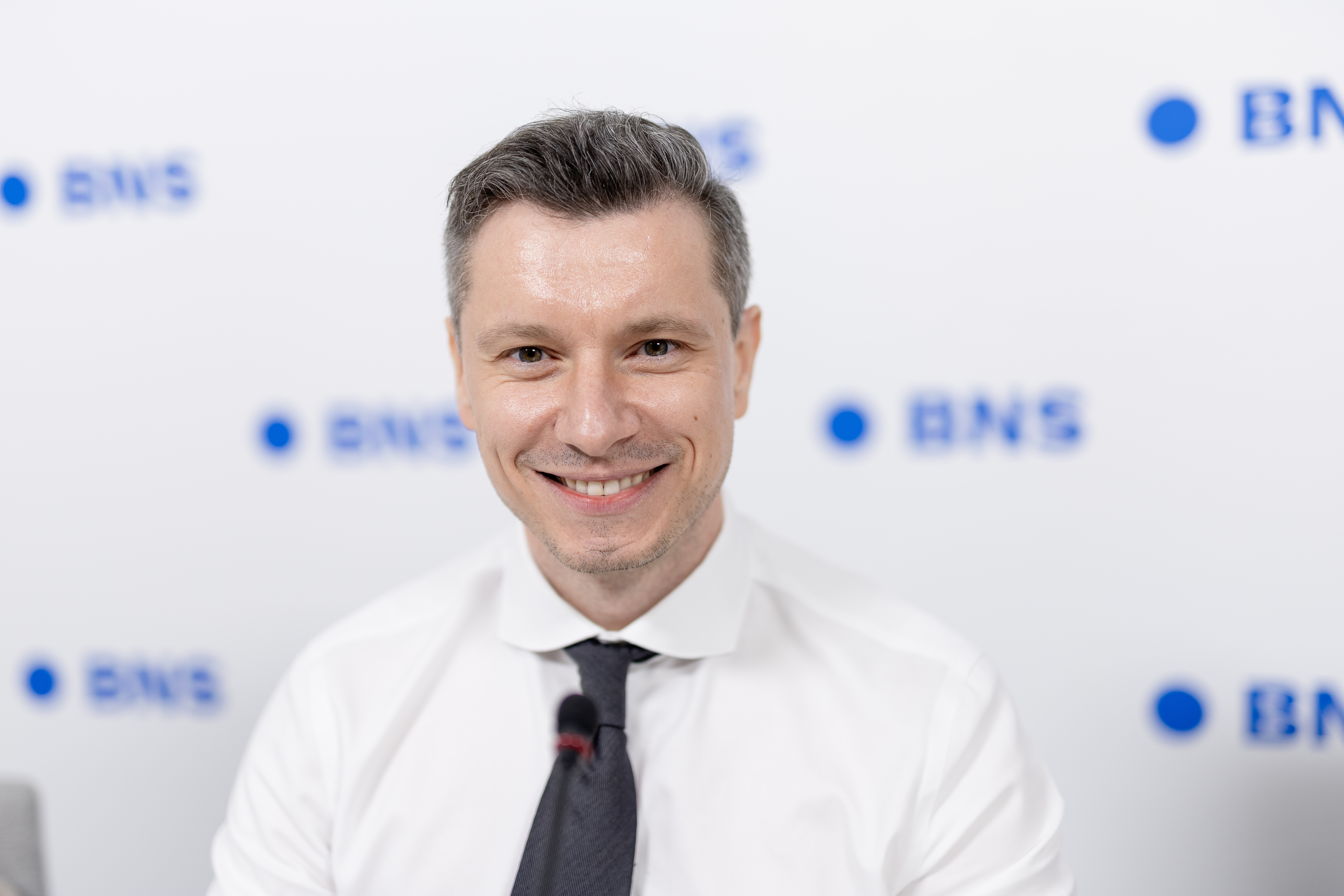
“The project allows us to see exact numbers, clearly distribute responsibilities, and apply targeted case management,” Sinkevičius stated. The goal is to move away from reactive medicine toward a proactive model where health specialists actively track patient progress and medication adherence.
The Link Between Kidney Health and Blood Pressure
The initiative also highlights the often-overlooked connection between renal function and hypertension. Dr. Marius Miglinas, a nephrologist and one of the mission’s initiators, warned that poorly controlled blood pressure damages the blood vessels in the kidneys, which in turn causes blood pressure to rise even further.
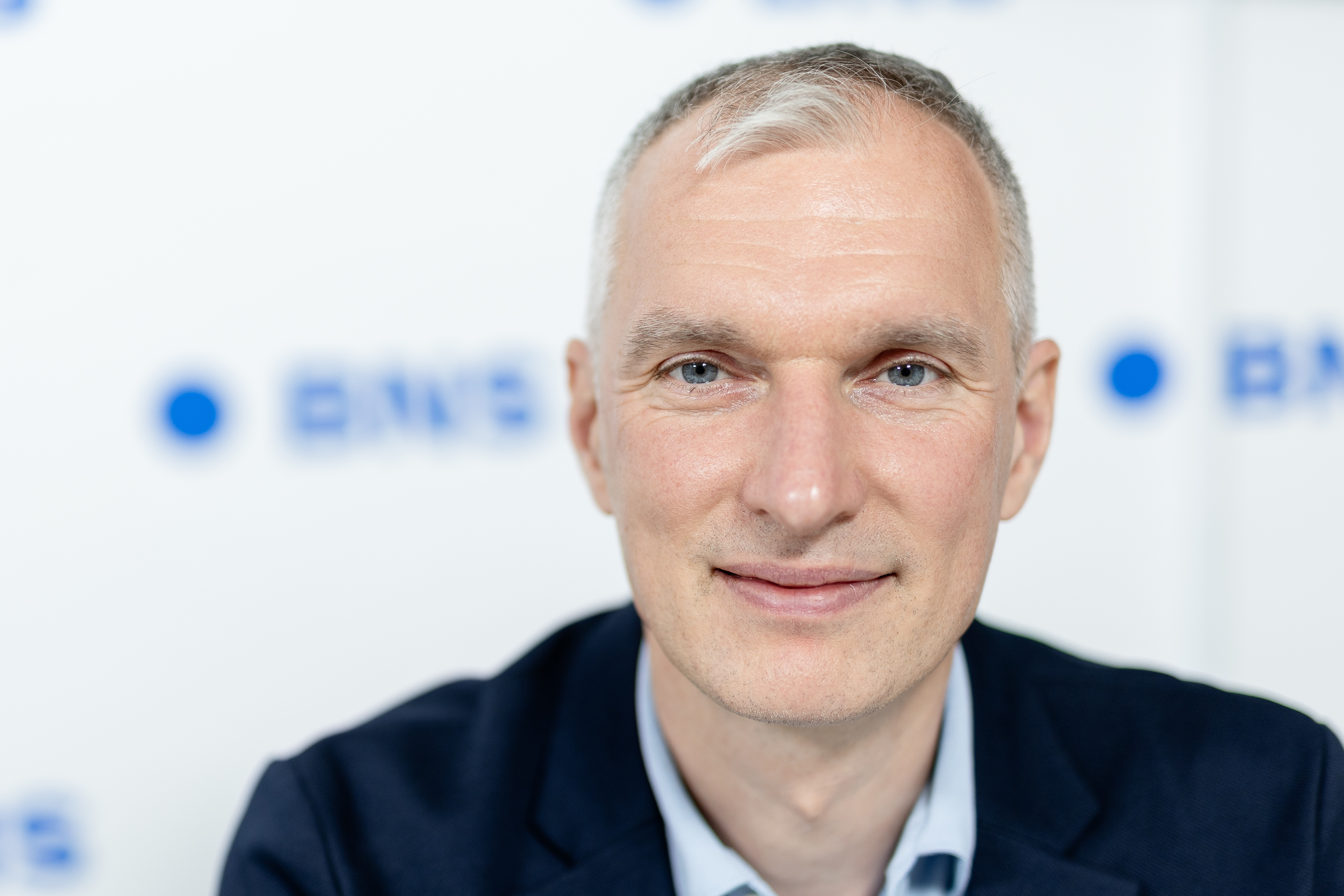
This feedback loop, known as hypertensive nephropathy, is a leading cause of patients requiring dialysis. Dr. Miglinas noted that many patients rely on how they feel rather than objective measurements. “Good health and normal blood pressure are far from the same thing,” he cautioned, urging the public to view regular blood pressure monitoring as a routine habit as essential as brushing one’s teeth.
Clinical Standards and Lifestyle Recommendations
To achieve the mission’s goals, medical professionals are advocating for standardized monitoring practices. Dr. Jolita Badarienė, head of the Preventive Cardiology Department at Vilnius University Hospital Santaros Klinikos, noted that while a reading below 140/90 mmHg is the initial target, an optimal result for many should be between 120–129/80 mmHg.
Beyond medication, the mission emphasizes lifestyle modifications: reducing salt intake, increasing physical activity, managing body weight, and ensuring 7-8 hours of sleep. For home monitoring, experts advise patients to rest for several minutes before taking a measurement to ensure accuracy, avoiding the “single measurement trap” where a one-off high reading—often caused by stress or recent physical exertion—might lead to misdiagnosis.
Original reporting by: elta
Source: ELTA




AI moderation
Portal AI moderator got this signal
Thanks. The comment is now marked for community review and AI moderation scoring.