Lithuania Launches National Campaign to Plant One Million Trees
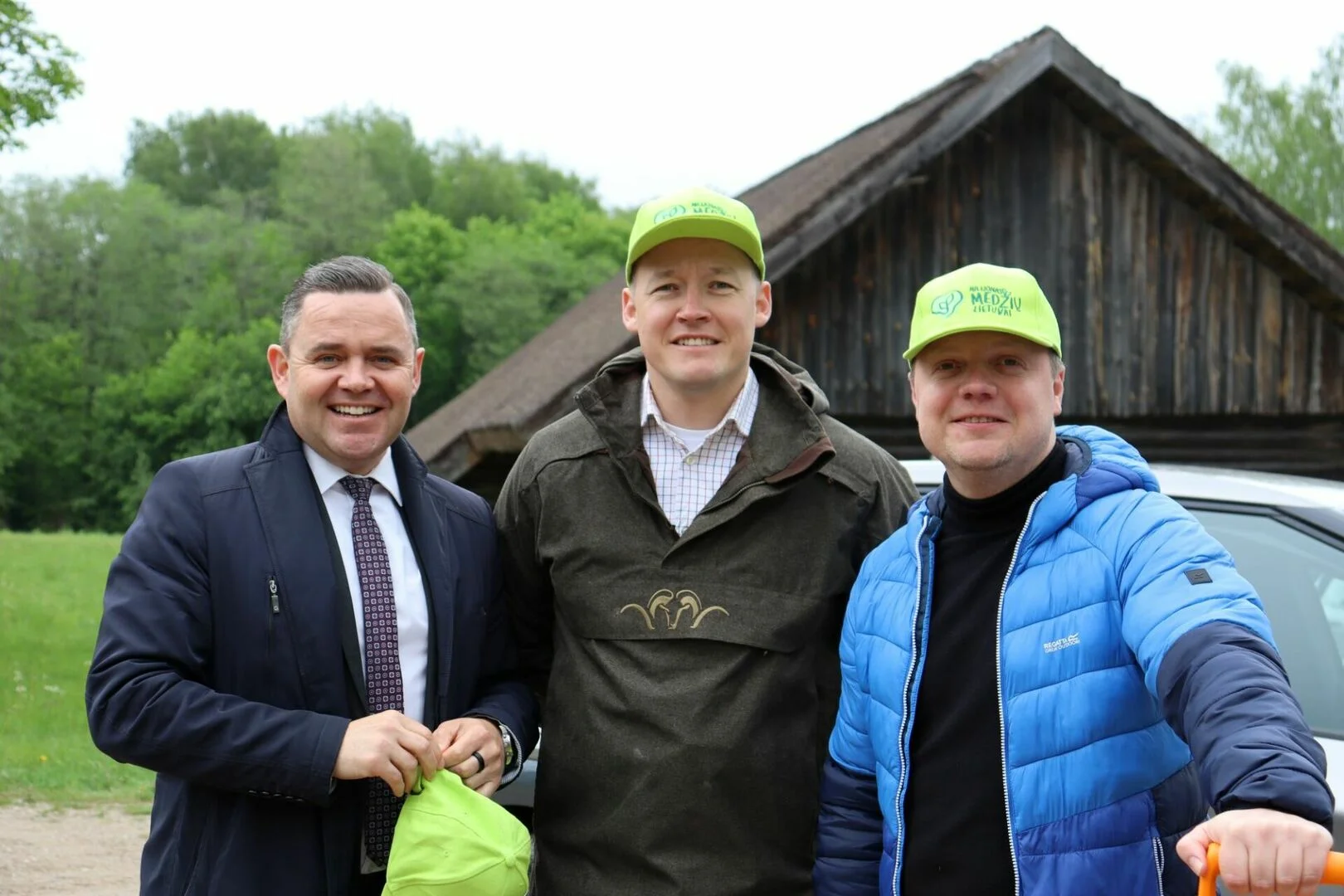
The first oak saplings have been planted in the historic town of Rumšiškės, marking the official launch of a nationwide environmental initiative titled “Million Trees for Lithuania.” Led by the State Forest Service, the project aims to plant one million trees across the country by 2030, fostering a deeper connection between local communities and their natural landscape.
The symbolic first planting took place on the grounds of the Open-Air Museum of Lithuania, a site chosen for its convergence of national history, tradition, and nature. These initial oaks are intended to become a permanent fixture of the landscape, representing the start of a long-term commitment to ecological restoration and sustainability.
A Symbolic Start in Rumšiškės
The launch event brought together state officials, students, and local community members to plant the first batch of saplings. Mindaugas Tarnauskas, Director of the State Forest Service, emphasized that the initiative is designed to be more than just a series of planting events; it is an educational journey.
“Together with students, communities, and organizations throughout Lithuania, we aim to plant one million trees in parks, school grounds, and community spaces,” Tarnauskas stated. “We want tree planting to become not only a beautiful action but an experience that strengthens the bond between youth and nature, fostering a sense of responsibility for the environment.”

The initiative also received strong backing from local government. Šarūnas Čėsna, the Mayor of the Kaišiadorys district, noted that the project is an investment in the legacy left for future generations. He remarked that it is vital for the youth to remember not just the trees that were cut down in the past, but the active efforts made today to restore the canopy.
Aligning with European Environmental Goals
While the “Million Trees for Lithuania” project is a national endeavor, it functions as a critical component of a much larger continental strategy. The initiative contributes directly to the European Union’s biodiversity strategy for 2030, which sets a target of planting 3 billion additional trees across Europe by the end of the decade.
By integrating local efforts into the EU’s broader Green Deal framework, Lithuania is positioning itself as a proactive participant in mitigating climate change and preserving biodiversity. The project organizers have designed the campaign to be measurable and transparent, allowing partners and the public to track exactly how many trees have been planted and where new green spaces are being created.

Community Engagement and Future Milestones
The scale of the project is ambitious, with organizers estimating that over 200,000 students, volunteers, and corporate representatives will participate in various planting activities. The goal is for the initiative to reach up to one million Lithuanian residents through education and direct involvement.
Trees will be strategically planted in areas where they provide the most immediate community benefit, including public squares, urban parks, and the perimeters of educational institutions. This focus on “social forestry” aims to improve urban air quality and provide cooling shades in increasingly warm summers.
Because the summer heat is not conducive to the survival of young saplings, the project will enter its most intensive phase this autumn. In September alone, approximately 250,000 trees of various species are scheduled to be planted across various regions of the country.

Opportunities for Corporate and Public Partnership
The State Forest Service is actively calling for businesses, non-governmental organizations, and private funds to join as partners. Involvement can take several forms, from direct financial sponsorship of saplings to organizing employee volunteer days.
For the business sector, organizers frame this as an opportunity to turn corporate social responsibility (CSR) into visible, tangible results. Partners will be provided with data on their specific contributions, including the number of trees planted and the specific communities impacted. As the project moves toward its 2030 target, the focus remains on creating a resilient, greener future through collective national action.
Source: BNS