Lithuania Remembers the Fallen: 81 Years Since the Battle of Kalniškė
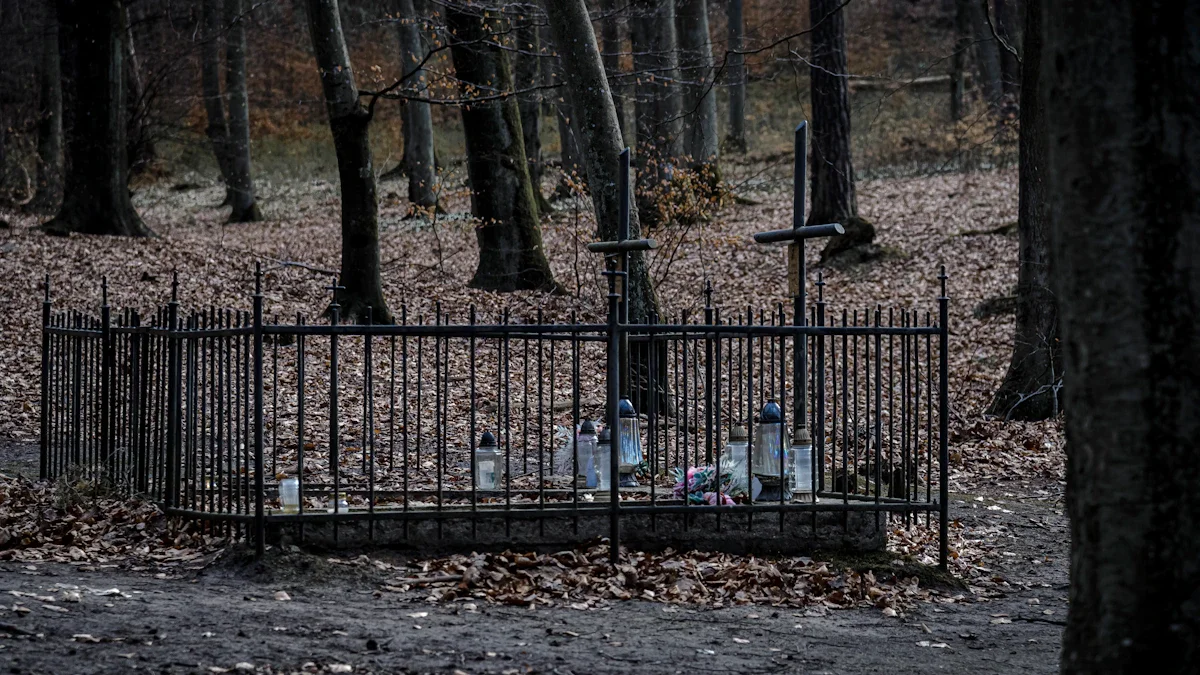
Rain fell steadily over the Kalniškė forest this past Saturday, yet the atmosphere remained one of profound solemnity rather than gloom. Hundreds of people, from grey-haired exiles to young cadets, gathered under the canopy of trees to mark the 81st anniversary of the Battle of Kalniškė. It was here, in May 1945, that a small band of Lithuanian partisans faced an overwhelming Soviet force, an event that has since become a cornerstone of the nation’s narrative of resistance.
The day’s commemorations began in the town square of Simno. Led by Colonel Rimantas Jarmalavičius, a column of participants set out on a traditional commemorative hike, retracing the steps taken by the freedom fighters over eight decades ago. The march concluded deep within the forest at the site of the original battlefield, where the landscape is now dotted with crosses, monuments, and oak trees planted in memory of the fallen.
A David and Goliath Struggle in the Forest
To understand the significance of the gathering, one must look back to May 16, 1945. While the rest of Europe was celebrating the end of World War II, a second, ‘hidden’ war was just beginning in the Baltic States. In the Kalniškė forest, approximately 100 Lithuanian partisans—known as the ‘Forest Brothers’—were surrounded by nearly 1,000 Soviet NKVD troops.
Commanded by Jonas Neifalta-Lakūnas, a former non-commissioned officer of the Lithuanian Uhlans, the partisans held their ground from dawn until dusk. Despite being outnumbered ten to one, the resistance was fierce. By the time the sun set, 44 young men from the Dzūkija region had lost their lives. The battle remains one of the largest and most significant engagements of the early partisan period, serving as a symbol of the high price paid for the hope of a restored independent state.
Community and Continuity
The anniversary event was marked by a Holy Mass celebrated by Father R. Žukauskas of the Simno Parish, who offered prayers for those who died in the struggle for freedom. The gathering brought together a wide cross-section of Lithuanian society, including Vice-Mayor Dalius Mockevičius, members of the Seimas (Parliament), and descendants of the partisans themselves.

Vice-Mayor Mockevičius delivered a message from Mayor Ausma Miškinienė, emphasizing that the memory of these fighters is what continues to bind the community together. For the relatives of the deceased and the survivors of Siberian exile who attended, the event is more than a history lesson; it is a personal act of remembrance for brothers, fathers, and neighbors who never returned from the woods.
Following the formal ceremony, the forest echoed with the sounds of the concert ‘Te skamba dainos milžinkapių šaly’ (Let the Songs Ring in the Land of Giant Mounds). Local performers and art ensembles performed patriotic and partisan songs—melodies that were often composed in bunkers and trenches during the occupation. These songs served as a reminder of the ‘partisan spirit’—a combination of longing for peace and an unshakeable belief in Lithuania’s eventual independence.
The Living History of Resistance
The Battle of Kalniškė did not end the resistance; rather, it galvanized it. Throughout the years of Soviet occupation, the story of the 44 who fell in the forest helped preserve a sense of national identity. It served as proof that the occupation was never voluntarily accepted by the people.
Today, the site is a place of ‘living memory.’ The presence of the Lithuanian Riflemen’s Union (Šauliai) and active-duty military personnel at the ceremony highlights the continuity between the partisans of 1945 and the modern defenders of the state. As the attendees shared a traditional military meal after the concert, the conversation focused on the relevance of these historical lessons in the modern era. The enduring message of Kalniškė is clear: the history of Lithuania’s freedom fighters remains a vital part of the national heart, proving that even in the darkest and rainiest of times, the light of memory does not fade.
Source: Lazdijai savivaldybė