Lithuania Secures €4.5 Million Data Partnership for National Electronic Road Toll Transition

Lithuania’s transition to a modern distance-based road charging system has reached a critical security milestone with the finalisation of a €4.5 million infrastructure agreement. Via Lietuva, the national road authority, has officially partnered with the state-owned Telecentras (Lithuanian Radio and Television Centre) to host and secure the massive data volumes required for the upcoming electronic tolling network.
This partnership ensures that all information regarding road users, vehicle categories, and distance logs will be stored within a Tier III-certified state data centre. The move is designed to meet stringent national security requirements while providing the technical redundancy necessary for a system that will manage thousands of daily transactions across the country’s primary transport corridors.
| Infrastructure Detail | Specification |
|---|---|
| Maximum Contract Value | €4.5 Million (Excl. VAT) |
| Official Launch Date | 1 January 2027 |
| Data Reliability Standard | Tier III |
| Toll Road Coverage | 2,800+ Kilometres |
| Contract Duration | 2 Years (with 1-year extension option) |
The Shift to Distance-Based Infrastructure
The core of this project is the replacement of the current time-based vignette system. Currently, transport operators purchase access to Lithuanian roads for a set duration (day, week, month, or year). From 1 January 2027, this will be replaced by a more precise ‘user-pays’ model. Under the new electronic system, tolls will be calculated based on the actual distance travelled on the 2,800 kilometres of designated toll roads.

This change specifically targets heavy-duty and passenger transport vehicles in categories M2, M3, N1, N2, and N3. By shifting to distance-based charging, the government aims to distribute the costs of road maintenance more proportionately, as heavier traffic flows contribute most significantly to infrastructure wear and tear. For owners of private passenger cars (category M1), the current policy remains unchanged, and no road user fees will be applied.
Data Security and Tier III Reliability
Given the sensitivity of the data involved—which includes vehicle registration details, movement logs, and financial transactions—the selection of Telecentras as the data partner was based on its ability to provide a high-security environment. The Tier III reliability standard signifies that the data centre features redundant power supplies, cooling systems, and data transmission paths, ensuring that the tolling system remains operational even during maintenance or equipment failure.
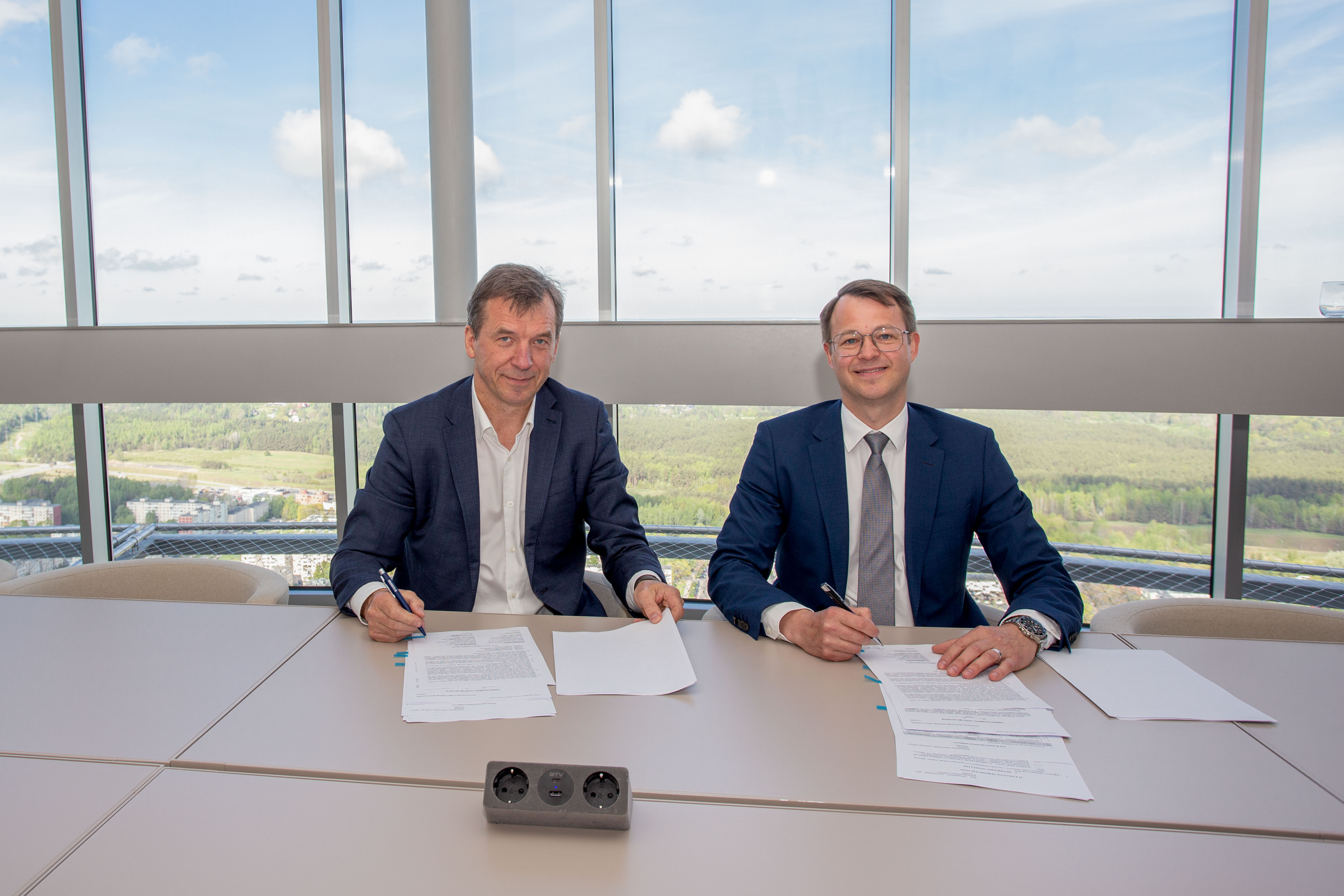
Martynas Gedaminskas, CEO of Via Lietuva, noted that the partnership was essential to meet national security criteria. The infrastructure provided by Telecentras will include cloud computing resources and a container management platform, allowing the tolling software to scale as traffic volumes grow. This technical foundation is intended to prevent the system lag or data loss that can plague large-scale infrastructure transitions.
Preparing for the 2027 Deadline
The implementation phase is now moving into a high-priority status. Telecentras is tasked with preparing a large-scale IT infrastructure across two separate state data centres to ensure geographic redundancy. This setup is designed to host the servers and information systems required for the e-tolling mechanism to function without interruption.

For transport companies operating within or through Lithuania, the next two years will serve as a transition period. While the current vignettes remain valid for now, the infrastructure being built today will dictate how logistics and transport costs are calculated across the Baltic region by the end of the decade. Via Lietuva, which manages over 21,000 km of national roads and 1,500 bridges, views this electronic system as a vital step in modernising the country’s role as a key European transit hub.
Source: ELTA