Lithuanian Coastal Landmark Hits the Market for €1.87 Million
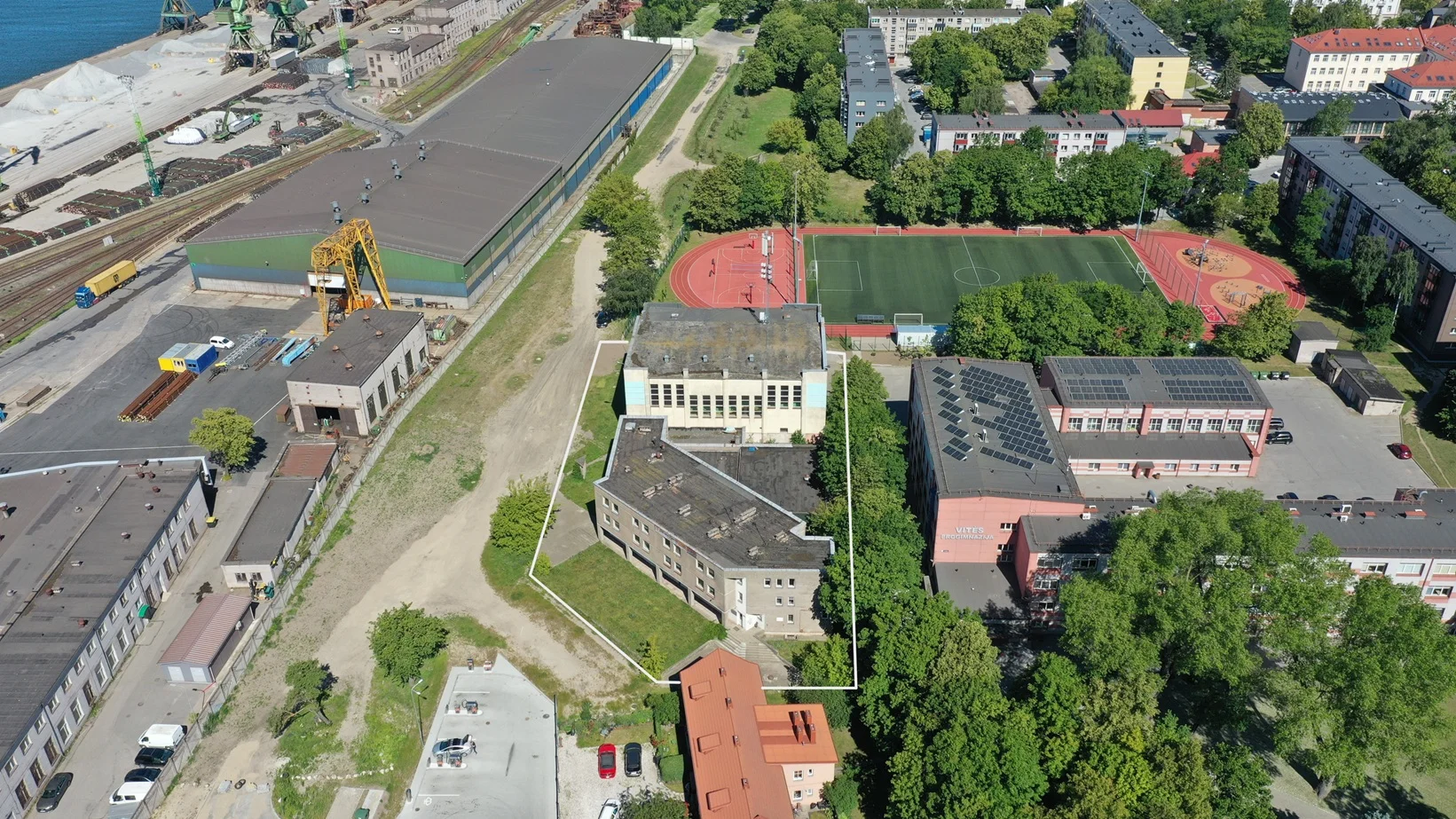
€1,873,000. That is the starting price for one of the most significant pieces of sports infrastructure currently available on the Lithuanian coast. The iconic “Dinamo” pool complex in Klaipėda, a site with decades of history, is officially heading to the auction block, signaling a major shift for the historic Vitė district.
This sale is not merely a transfer of aging bricks and mortar; it represents a strategic move by the Lithuanian state to consolidate its assets and fund modern educational infrastructure. The proceeds from the auction are earmarked for the construction of a new building for the Klaipėda State College, turning a legacy sports site into a catalyst for future academic growth.
A Prime Coastal Redevelopment Opportunity
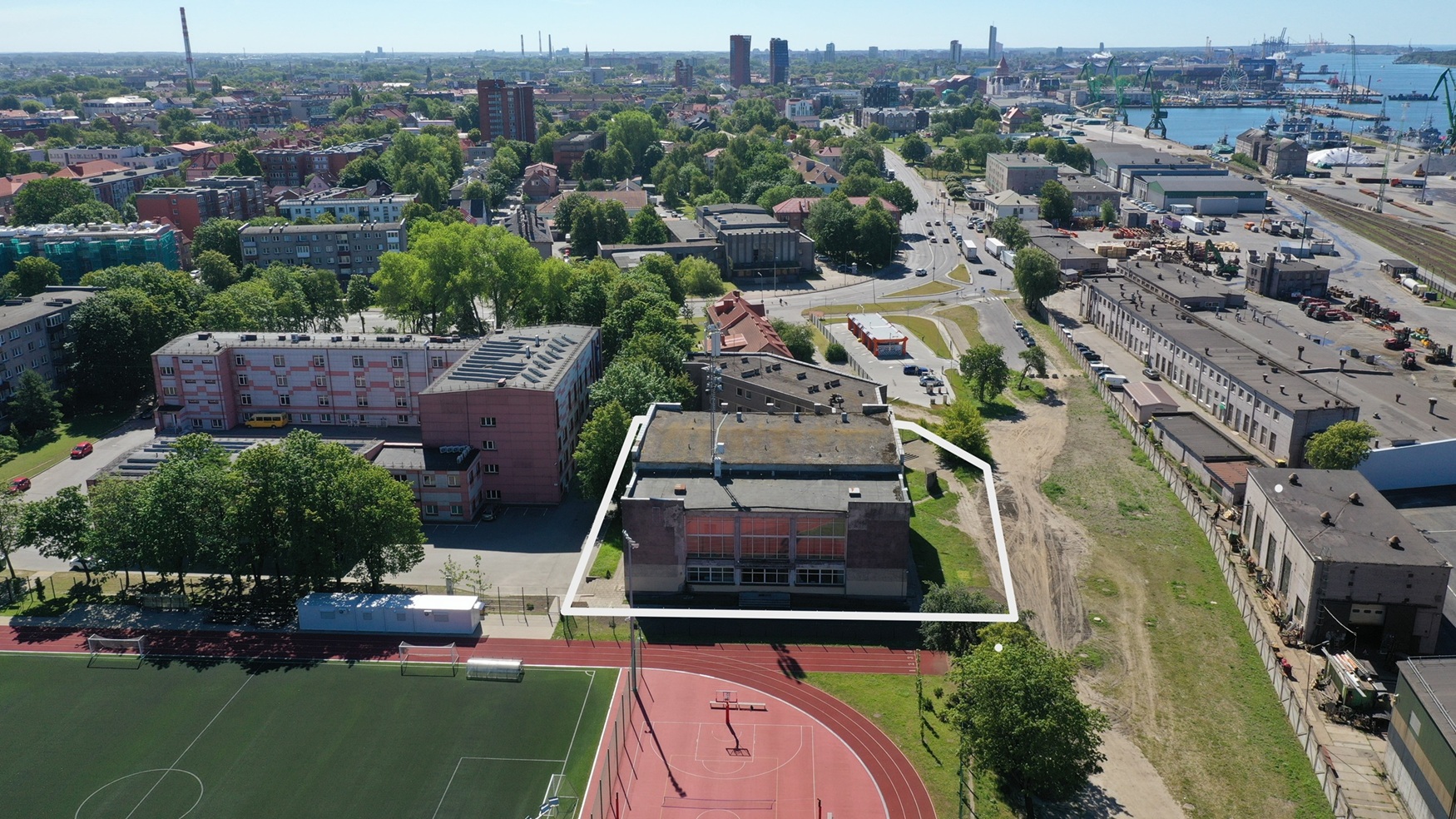
Located at Gulbės g. 8, the complex is situated in a high-traffic area of the port city where business, education, and industry converge. To the west, the site offers views toward the Curonian Lagoon, while its immediate surroundings include the Vitė Pro-gymnasium and various small businesses.
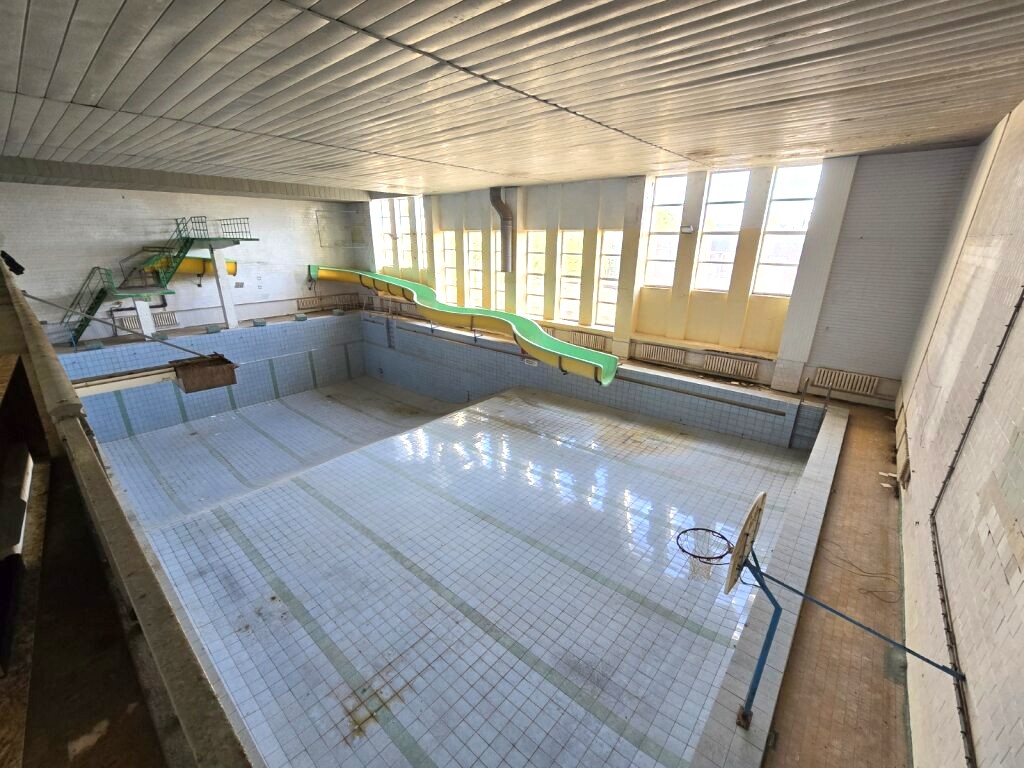
The property is divided into two distinct components with varying investment requirements. The primary pool building, constructed in 1976, spans over 1,500 square meters. While it was once a hub for the city’s swimming and diving clubs—boasting a 25-meter pool with six lanes and diving towers—it has been out of use for some time and requires significant capital injection to restore or repurpose.
Conversely, the 2,035-square-meter hostel building on the site is currently operational and recently renovated. This part of the complex includes an unfinished smaller pool and sauna area, which developers view as a potential “anchor” for future residential or hospitality projects. The entire site sits on 0.3834 hectares of land, designated as an intensive development zone, allowing for a wide range of uses from commercial services to high-density housing.
Data Snapshot: The Dinamo Complex Auction
| Property Detail | Specification |
|---|---|
| Address | Gulbės g. 8, Klaipėda, Lithuania |
| Starting Bid | €1,873,000 |
| Total Site Area | 0.3834 hectares |
| Pool Building Area | 1,500+ sq. m (Built 1976) |
| Hostel Building Area | 2,035 sq. m (Renovated/Operational) |
| Registration Period | 18–20 May 2026 |
| Auction Date | 25 May 2026 |
Strategic Asset Management and Sustainability
The auction is being managed by Turto bankas, the state enterprise responsible for centralizing and optimizing Lithuania’s public real estate. As the agency celebrates its 30th anniversary, the “Dinamo” sale stands out as one of its highest-value offerings this year. For comparison, Turto bankas recently oversaw the sale of the former State Security Department building in Vilnius for €4.8 million, reflecting a robust appetite for state-owned assets with high redevelopment potential.
Beyond the immediate financial gain, the sale aligns with a broader national strategy to reduce the state’s real estate footprint. Turto bankas currently manages approximately 700,000 square meters of administrative property, with a mandate to divest buildings no longer essential for state functions. This strategy is increasingly driven by sustainability goals, including reducing energy consumption and CO2 emissions across the state’s portfolio while investing in more efficient, modern facilities.
The Path Forward for Investors
Prospective buyers should note that the property already generates some passive income; the roof of the pool building is currently leased to telecommunications companies for equipment, with contracts running until 2027.
The auction will be conducted electronically, with the registration window opening on May 18, 2026. Given its location in a “vibrant” part of Klaipėda and the flexibility of the zoning, the site is expected to attract interest from both local developers and international investment funds looking for a foothold in the Baltics’ major port city. The transformation of the “Dinamo” site will likely serve as a cornerstone for the continued regeneration of the Vitė district, bridging the gap between the city’s industrial heritage and its future as a modern urban hub.
Source: ELTA