Lithuanian President Reopens Kėdainiai Bridge After 2023 Collapse
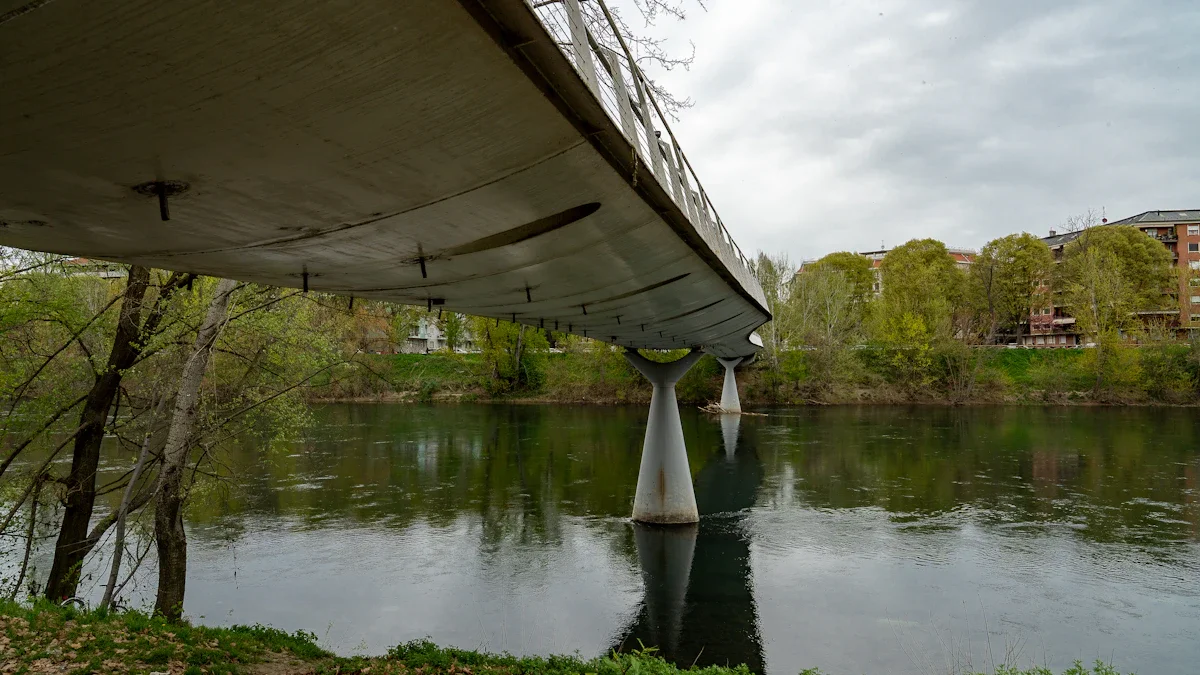
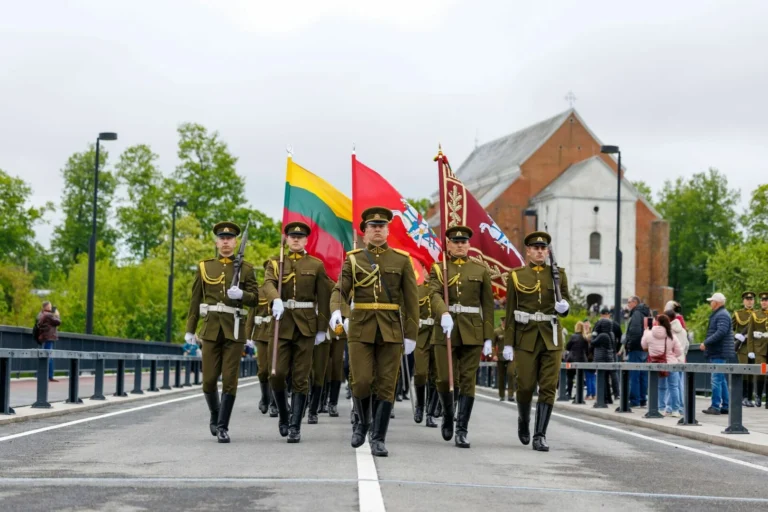
The strategic and local transport network in Kėdainiai, central Lithuania, reached a significant milestone this Sunday as President Gitanas Nausėda officially reopened the town’s Old Town bridge. The ceremony marks the end of a high-profile infrastructure saga that began with a dramatic structural failure nearly two years ago, highlighting broader concerns regarding regional investment and national security resilience.
Standing at the site where a section of the bridge collapsed into the Nevėžis River in January 2023, the President characterized the reconstruction as a symbol of a shifting national attitude toward regional infrastructure. However, his address was tempered with a sharp critique of the bureaucratic and technical delays that have hampered the project, noting that the three-year timeline from failure to full restoration remains unacceptably long in the current geopolitical climate.
From Structural Failure to Regional Symbolism
The collapse of the Kėdainiai bridge on January 31, 2023, served as a wake-up call for the Lithuanian government. At the time, the incident was widely viewed not just as a technical fault, but as a physical manifestation of neglected regional policy. For residents of Kėdainiai, a city defined by its relationship with the Nevėžis River and its tributaries, the loss of a central artery caused significant daily disruption and raised urgent questions about the safety of other aging structures across the country.
During the opening ceremony, President Nausėda reminded attendees that the event should be seen as a turning point. While the restoration is a victory for the local community, the President emphasized that the pace of such projects must accelerate. He argued that the ability to quickly restore critical infrastructure is no longer just a matter of convenience but a fundamental pillar of national resilience.
Strategic Importance and Military Mobility
Beyond local commuting, the bridge and the wider road network in this region carry significant strategic weight. Lithuania’s position on NATO’s eastern flank means that road and bridge conditions are directly tied to military mobility. In the event of a security crisis, the capacity to move heavy equipment and personnel across the country’s river networks is vital.
President Nausėda noted that investments in the state of roads and bridges are essential for both the vitality of regional towns and the nation’s defense readiness. The current security environment in Eastern Europe has forced a reassessment of how infrastructure projects are prioritized, moving them from simple public works to matters of national safety.

Kėdainiai Bridge Infrastructure Status
Kėdainiai relies on several key river crossings to maintain its economic and social cohesion. The President outlined a roadmap for the city’s remaining infrastructure needs, noting that while progress has been made, the work is only half-finished.
| Bridge Location / Type | Current Status | Future Outlook |
|---|---|---|
| Old Town Bridge | Fully Reopened | Reconstruction complete following 2023 collapse |
| Second Major Crossing | Renovated | Currently operational and meeting safety standards |
| Third Planned Project | Pending | Awaiting reconstruction phase |
| Fourth Planned Project | Pending | Awaiting reconstruction phase |
Once these final two projects are completed, the President stated that the city’s automotive bridge infrastructure could finally be classified as fully modernized and safe.
A New Model for National Funding
To address the backlog of aging infrastructure across Lithuania, the government is moving toward a National Road and Bridge Renewal Program. A key feature of this new strategy is the utilization of Public-Private Partnerships (PPP). This model aims to leverage private sector efficiency and capital to speed up projects that have historically been bogged down by limited state budgets and slow procurement processes.
According to the President, the necessary legislative changes have already been implemented. Responsible institutions are currently finalizing project lists and developing the financial models required to attract private investment. This shift suggests that the Kėdainiai bridge collapse may have been the catalyst for a more aggressive, commercially integrated approach to maintaining the nation’s transport arteries, ensuring that future repairs do not take years to materialize.
Source: BNS