
High above the bustling traffic and the rhythmic beep of checkout scanners in Vilnius, Kaunas, and Klaipėda, a different kind of worker is quietly clocking in. On the flat, expansive roofs of the “Iki” retail chain, thousands of Buckfast bees have begun establishing new colonies. This move marks a significant shift in how urban infrastructure in the Baltic region is being repurposed to combat the global decline of pollinators.
While shoppers below fill their baskets with strawberries, apples, and nuts, few realize that these very products are the direct result of the labor performed by bees. The installation of professional apiaries on retail rooftops is not merely a symbolic gesture; it is a strategic attempt to integrate biodiversity into the heart of the urban environment. By utilizing previously dead space on large commercial buildings, the initiative aims to turn city centers into corridors for nature.
Transforming Retail Infrastructure into Living Ecosystems
The project, a collaboration between the retail chain and the specialists at Urbanbee.lt, has seen hives installed at key locations in Vilnius, Kaunas, and Klaipėda, as well as a major logistics center in Panevėžys. According to Nijolė Kvietkauskaitė, CEO of IKI Lietuva, the initiative is part of a broader realization that large-scale retail buildings must serve more than one purpose.
“Sustainability begins with the question of how to better use what we already have,” Kvietkauskaitė explains. “Our buildings are significant pieces of city infrastructure. For several years, we have invested in rooftop solar power, and now we are seeing that this same infrastructure can support biodiversity. We want to show that retail spaces can contribute to a more vibrant city and a smaller environmental footprint.”
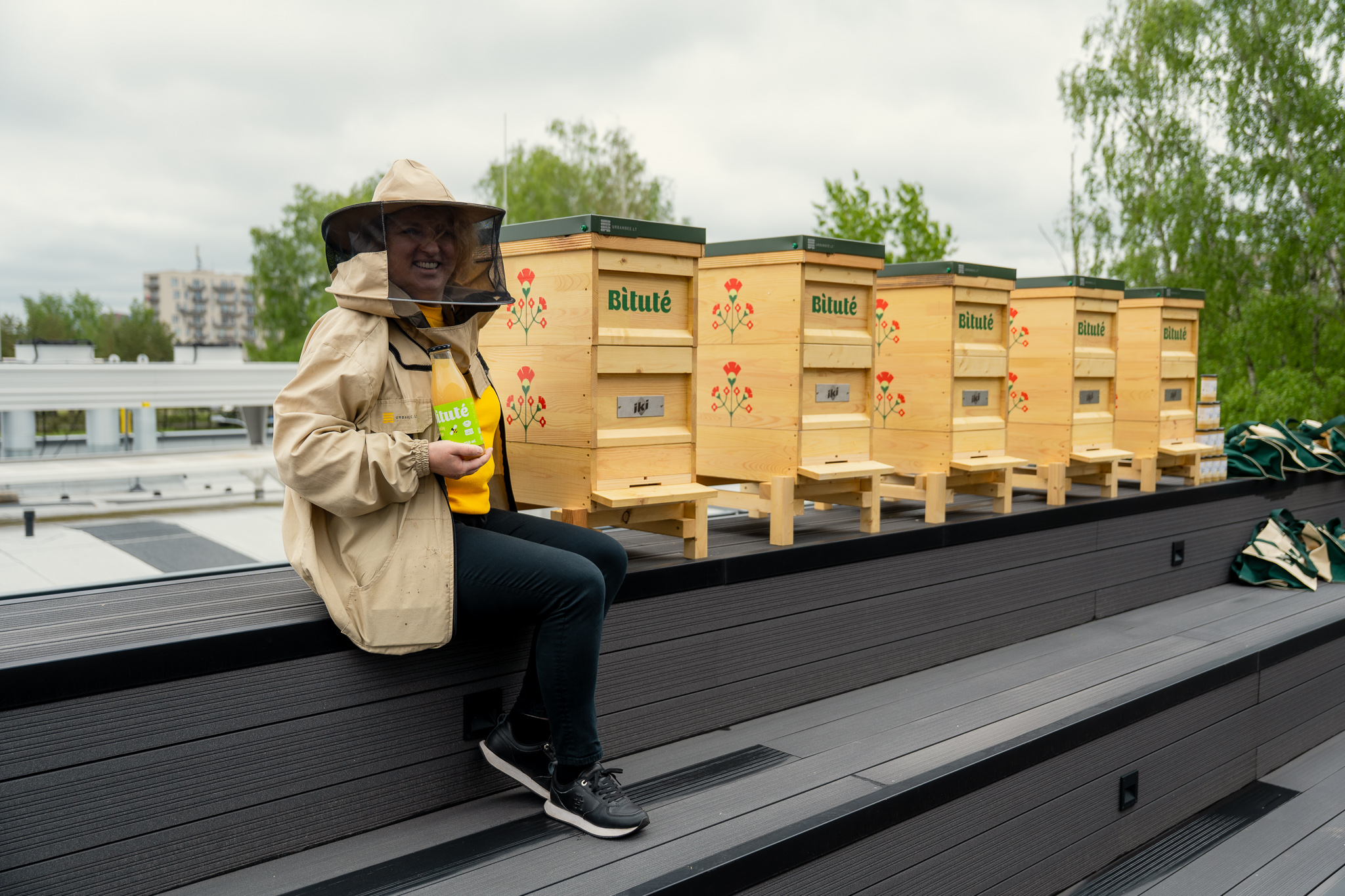
This approach reflects a growing trend across European capitals where “grey” infrastructure—roofs, car parks, and warehouses—is being re-evaluated for its ecological potential. In Lithuania, where the transition to green energy and sustainable urban planning is accelerating, the sight of beehives atop a supermarket is becoming a tangible symbol of this corporate evolution.
Why Cities Offer a Surprising Refuge for Pollinators
It may seem counterintuitive to place beehives in the middle of a paved city, but urban environments often provide a safer and more diverse habitat for bees than modern industrial farmland. In the countryside, bees frequently face the challenges of monoculture—where only one type of plant blooms for a short period—and the heavy use of pesticides.
In contrast, cities like Vilnius and Kaunas offer a rich tapestry of forage. From balcony flower boxes and private gardens to public parks and lime-tree-lined avenues, the urban landscape provides a varied diet that blooms from early spring through late autumn. Furthermore, the strictly regulated use of chemicals in urban green spaces means that city-dwelling bees often suffer from fewer health issues than their rural counterparts.
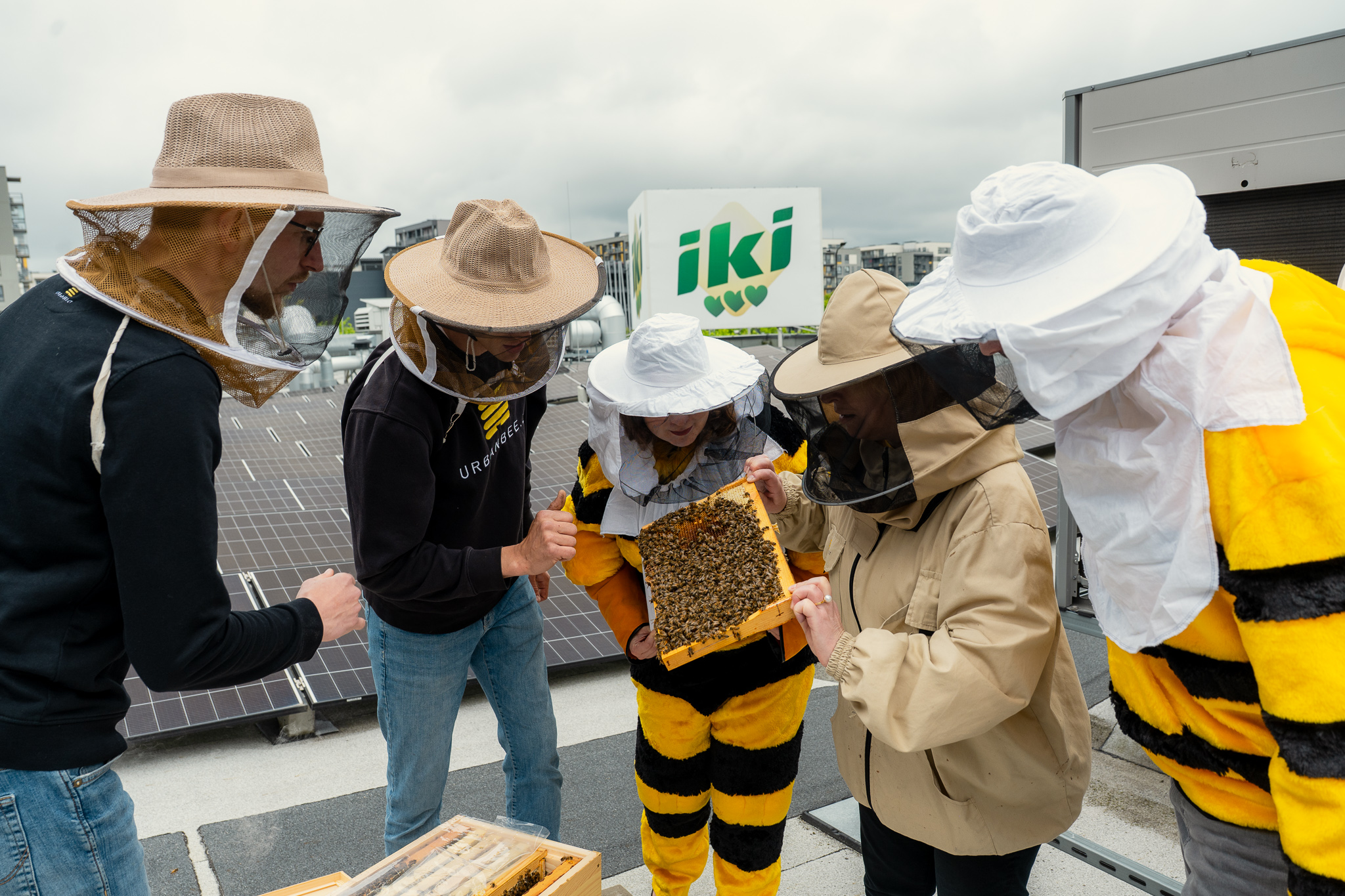
Paulius Chockevičius, the founder of Urbanbee.lt, emphasizes that urban beekeeping also serves a vital educational role. “In the city, we need to change our relationship with bees—moving from caution or fear to an understanding of why they are essential,” he says. By bringing the hives to where people live and shop, the project demystifies the insects. Chockevičius notes that the chosen Buckfast breed is specifically known for its docility, making them ideal neighbors for the public.
Balancing Safety with Sustainability in Public Spaces
For the average shopper, the presence of thousands of bees overhead might initially cause concern. However, the project is designed with strict safety protocols. The hives are placed in secure, inaccessible areas of the roof, far from pedestrian traffic and store entrances.
“If you are not a flower, the bee is not interested in you,” Chockevičius points out. The bees’ flight paths are directed upward and away from the store’s immediate vicinity, targeting the nearest green spaces. Professional beekeepers monitor the health of the colonies and manage the seasonal honey harvest, ensuring that the bees remain healthy and the public remains undisturbed.
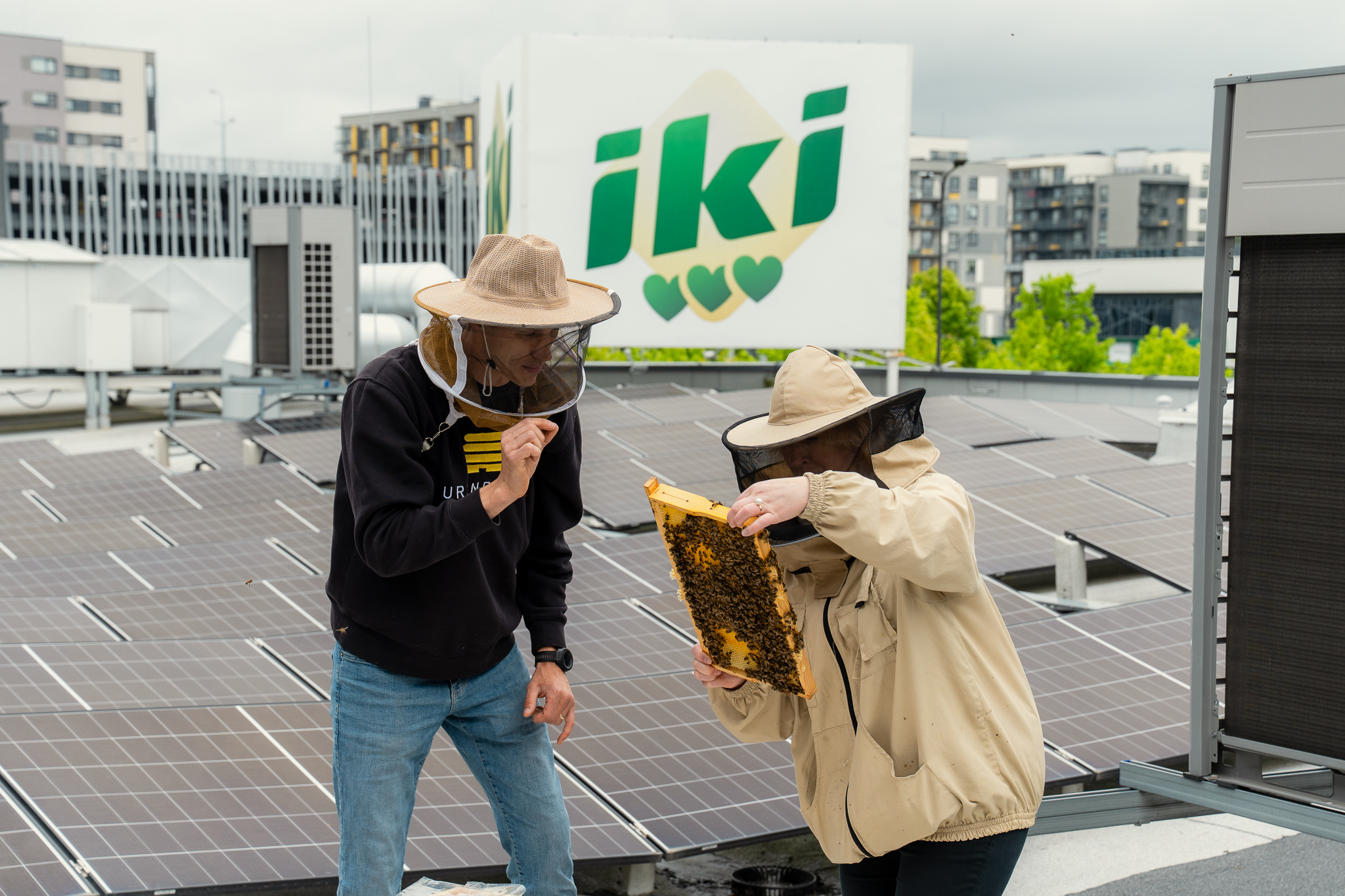
This initiative is backed by a substantial financial commitment to green transition. In 2024 alone, Iki’s investments in sustainability projects reached €5.5 million. This includes not just the apiaries, but also a massive rollout of solar energy, energy-efficient refrigeration, and electric vehicle charging infrastructure. It signals a move toward a model where the success of a retail business is increasingly measured by its ability to coexist with and support the local ecosystem.
As these urban colonies settle into their new homes, they serve as a living reminder that even in the most industrial settings, there is room for nature. The success of the project will be measured not just in kilograms of honey, but in the continued vitality of the parks and gardens that surround these retail hubs.
Source: ELTA
Context & actions About this article
Article contextPeople & topics3#5
What do you think about this article?
Reader Ideas Newsroom
Have a sharper angle for this topic? Add it to the community idea board and let readers vote it up for editorial review.



/linkComments
8+ useful words can earn +10-60 DP; shorter replies can still publish without DP.