Lithuania’s Forest Marches: Healing History to Fight Modern Info-Wars
Imagine walking through the dense, emerald forests of the Baltics, where the silence of the pines was once broken by the echoes of a decade-long guerrilla war. For many in Lithuania, these woods are not just a landscape; they are a living archive of the ‘Forest Brothers’—the partisans who resisted Soviet occupation long after World War II had officially ended. This May, thousands will return to these trails, not for a simple hike, but for a collective act of psychological and national fortification.
As the shadow of disinformation grows across Europe, Lithuania is turning to its past to secure its future. The upcoming Partisan Honor, Military, and Public Unity Day marches, scheduled for May 16, represent a unique intersection of historical commemoration and modern psychological resilience. This tradition, now in its third year, is organized by the Ministry of National Defence and the Lithuanian Riflemen’s Union to bridge the gap between historical trauma and contemporary identity.
The Psychology of National Resilience
Professor Danutė Gailienė, a prominent psychologist, suggests that historical memory serves the same function for a society that personal memory does for an individual: it answers the fundamental question of ‘who we are.’ According to Gailienė, a society that knows its story remains resilient, able to recognize threats and resist manipulation.
“Only an open relationship with the past allows a society to heal and grow stronger,” Gailienė explains. Her research into families affected by Soviet repressions reveals a striking paradox: those who grew up knowing the truth about their family’s history of resistance or exile—even the painful parts—are psychologically stronger than those raised in silence or under false narratives. For the younger generation, understanding these ‘moral backbones’ is essential for developing a mature identity that can withstand external pressure.

History as a Battlefield
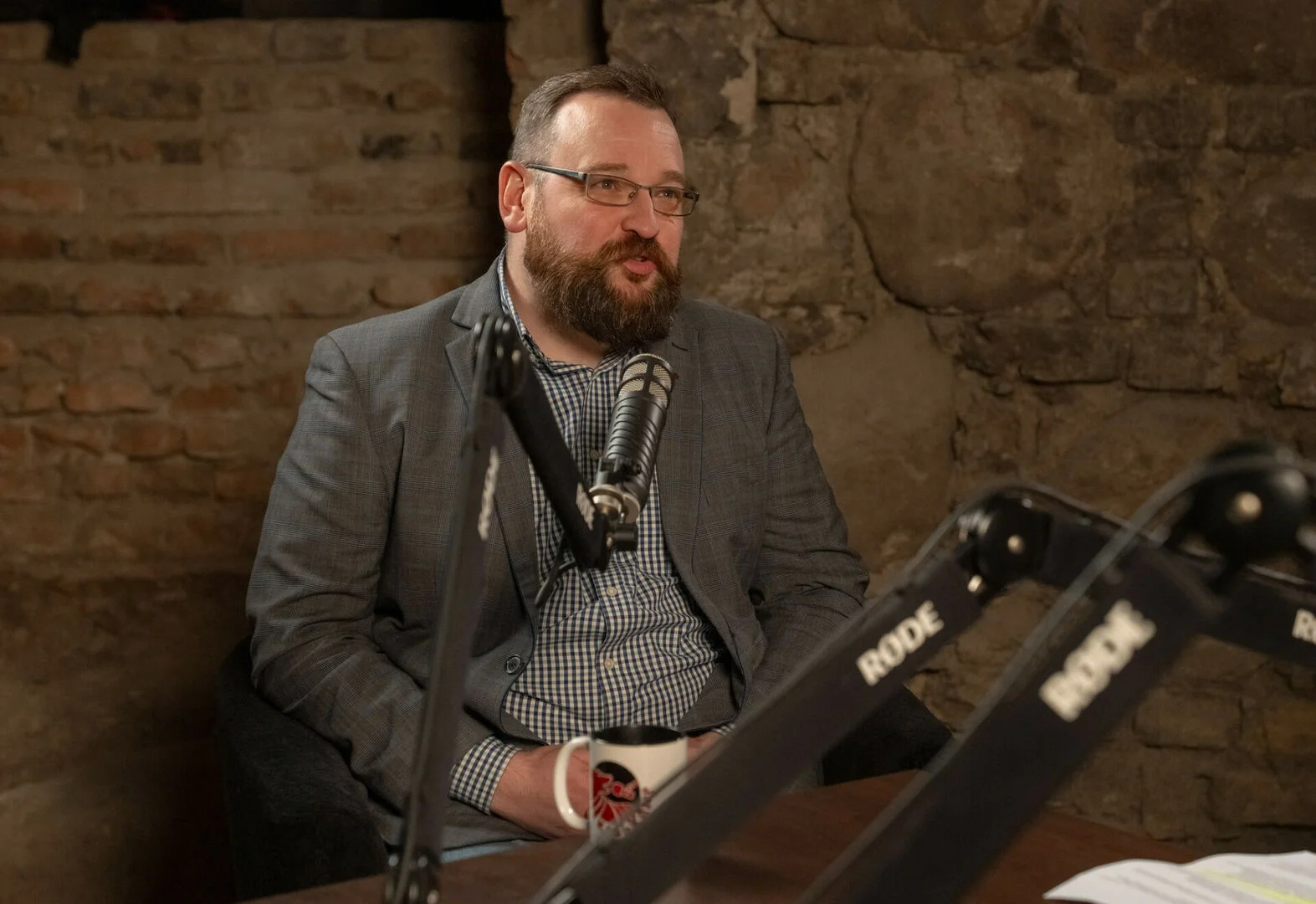
In the modern era, history is no longer confined to textbooks; it is a primary target in information warfare. Karolis Zikaras, a representative of the Lithuanian Armed Forces’ Strategic Communications Department, warns that hostile states systematically attempt to rewrite or distort historical narratives to weaken a nation’s self-confidence.
Propaganda often seeks to convince citizens that their state is ‘worthless’ or that resistance is futile. For decades, Soviet narratives branded Lithuanian partisans as ‘bandits’ or ‘fascist collaborators’ to justify occupation. Zikaras argues that the most effective response to such propaganda is not more propaganda, but the unvarnished truth. This includes acknowledging both the heroism of the resistance and the complex, sometimes painful, moral choices made during the war. A mature society, he notes, must be able to recognize its mistakes alongside its victories.
Walking the Path of the Partisans
The May 16 commemorative marches are designed to be more than a symbolic gesture. By physically traversing the terrain where partisans lived and fought, participants are encouraged to reflect on the reality of the resistance. The ‘Forest Brothers’ fought for ten years against a massive military machine, a stance that Gailienė describes as a ‘moral and political victory’ that laid the groundwork for the independence movements of the 1990s.

This year’s event features a significant international component, reflecting the global nature of the Lithuanian diaspora and the universal relevance of their struggle for sovereignty.
Event Details for May 16:
* Lithuania: 10 organized marches will take place across various regions of the country, focusing on historical partisan sites.
* International: 9 marches are organized by Lithuanian communities abroad, including locations in the United Kingdom and Europe, allowing the diaspora to connect with their heritage.
* Objective: To promote unity between the military and the public while educating the younger generation on the values of freedom and the importance of a ‘moral spine.’
Why Historical Memory Matters Today
The significance of these marches extends beyond the borders of Lithuania. In an age where ‘fake news’ and historical revisionism are used to destabilize democracies, the Lithuanian model of ‘healing through truth’ offers a potent blueprint for resilience.
By engaging with the past through creative culture—films, books, and these mass marches—the story of the partisans has moved from political debate into the hearts of the public. As Zikaras recalls, during the 1991 struggle for independence, people brought weapons to the Parliament that had been hidden since the post-war years. They weren’t just handing over objects; they were passing on the historical will to resist. Today’s marches ensure that this will remains active, informed, and unbreakable.
Source: BNS