
Makerfield has become a national political talking point because trusted UK publishers are now treating the by-election as more than a routine local contest. BBC coverage has focused on the Reform candidate and past comments he described as crass, while The Guardian has reported Carol Vorderman demanding an apology from the same candidate over comments it characterised as disgusting. For readers, the useful question is not who is certain to benefit, but why this local race is drawing wider attention and what public development would change the story next.
What this means locally
- Makerfield is being covered as a live political contest with national attention.
- BBC and The Guardian coverage has centred on candidate conduct and party pressure.
- The available reporting supports caution, not confident predictions about the result.
- The next meaningful check is any new public candidate response, party decision or result.
Why Makerfield Is Moving Beyond A Local Contest
By-elections often become shorthand for national mood, especially when Westminster parties are under pressure or a seat starts to look symbolically important. Makerfield is now in that category because coverage has shifted from simple candidate listings to scrutiny of candidate conduct, party positioning and the political meaning of the contest.
For wider context, our related report on Panama Dominican Republic trend is also useful.
The BBC has reported on the Reform Makerfield candidate admitting he made crass comments in the past. The Guardian has separately reported that Carol Vorderman demanded an apology from the Reform candidate over comments it described in its coverage as disgusting. Those reports help explain why the by-election is travelling beyond local readers and into a wider UK news cycle.
That does not prove a result, a trend line or a settled public judgement. It shows that the story has acquired a second layer: the campaign is no longer only about who is standing, but also about how candidates and parties respond when past remarks become part of the campaign conversation.
The national interest is about pressure, not certainty
A local by-election can matter nationally when it tests how parties handle scrutiny in real time. In Makerfield, the attention around Reform’s candidate gives readers a clear example of that pressure. The public story is now partly about whether the candidate’s explanation, any further response and the party’s handling of the issue satisfy critics or keep the controversy alive.
That is why careful language matters. It would be easy to turn the by-election into a prediction story, but the verified public record supplied here supports a narrower conclusion: Makerfield is attracting trusted-source coverage, and that coverage is focused on candidate controversy and the wider political stakes.
What Has Been Confirmed In Public Reporting
The confirmed baseline is straightforward. Makerfield By Election is the target political topic now being covered by trusted publishers. The BBC has reported on the Reform candidate in Makerfield and his admission that past comments were crass. The Guardian has reported Carol Vorderman demanding an apology from the Reform candidate over comments it described as disgusting.
Those are meaningful facts for readers because they explain the shape of the current story. They do not, by themselves, establish how voters will react, whether party strategy will change, or whether the controversy will define the whole campaign.
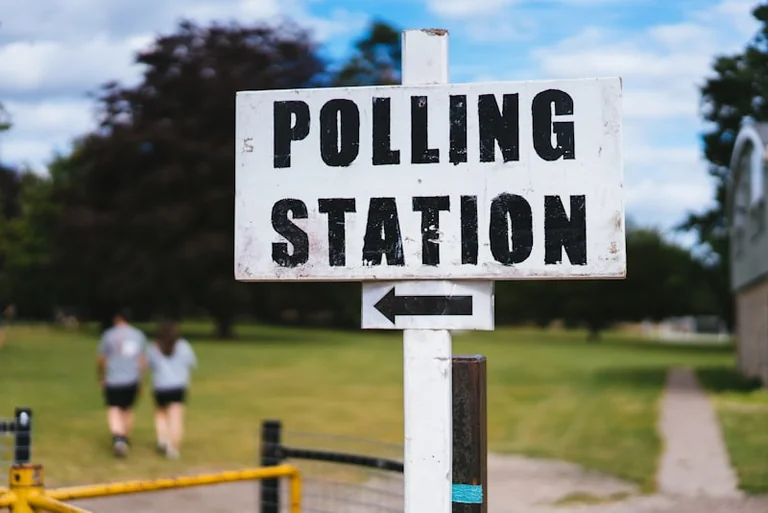
BBC-linked coverage has also treated Makerfield as politically significant, with one headline describing the constituency as suddenly at the epicentre of British politics. Another BBC-linked headline reports that a Conservative candidate said the by-election was not a stepping stone. Taken together, the coverage points to a contest being read through both local and national lenses.
The practical difference is important. A local voter may care most about representation, services and the candidate who will speak for the area. A national reader may see the contest as a test of party momentum, campaign discipline and how quickly local issues are pulled into Westminster narratives.
Why Candidate Conduct Is Driving Attention
Candidate conduct matters in any campaign because it affects trust before policy arguments have even been fully heard. When a candidate’s past comments become the story, readers often want three things: what was said, how the candidate has responded, and whether the party or opponents treat the matter as closed.
The source material provided supports only a limited public account. The BBC’s headline says the Reform Makerfield candidate admitted making crass comments in the past. The Guardian’s headline says Carol Vorderman demanded an apology from the Reform candidate over disgusting comments. This article does not add unsupported wording, private details or invented quotes beyond that public framing.
The broader point is that apology, explanation and accountability can become campaign issues in their own right. Even when no new policy has changed, the tone of a by-election can shift if candidates spend time responding to criticism rather than setting the agenda.
Why this matters for readers outside Makerfield
For readers outside the constituency, the story matters because by-elections can become national tests of political brand strength. If a party is trying to show momentum, a candidate controversy can complicate that message. If rivals want to frame the race around judgement, character or standards, the same controversy can become a campaign opportunity.
Still, there is a limit to what can be concluded. A noisy national story does not automatically mean local voters see the race the same way. Local priorities, party history, turnout and candidate familiarity can all shape a by-election, but those details should not be guessed without direct source support.
What The Coverage Does Not Prove
The available trusted-source material does not prove who is ahead, who will win, or whether the controversy has changed voting intention. It also does not verify an event window, turnout expectation, polling figure or campaign schedule for readers to rely on.
That distinction is especially important in a fast-moving political story. Trending attention can make a contest feel decisive before the public evidence supports that reading. The more responsible interpretation is that Makerfield is now a live political focus because several trusted publishers have covered it and because one candidate’s past comments have become part of the campaign.
There is also no basis here for turning the story into a prediction market, voting call or tactical guide. The reader value is in understanding the confirmed public pressure points: candidate conduct, party response, national interpretation and the next public development.
The Reader Impact Is About Trust And Signal
For Makerfield residents, the immediate impact is that the by-election conversation may become more crowded. Local issues can be forced to compete with national questions about party image and candidate judgement. That does not make local concerns less important, but it can affect which questions dominate interviews, headlines and campaign visits.
For UK readers more broadly, Makerfield is useful as a signal of how quickly a by-election can become a national test. The same seat can be read in several ways at once: as a local representation contest, as a party discipline test, and as a measure of how well political organisations manage scrutiny under pressure.
The clearest practical takeaway is caution. The story is moving because trusted reporting has identified a controversy and because the constituency is being discussed in a wider political frame. It is not yet a verified result story, a settled public judgement story or a reliable forecast of national politics.
What Would Change The Story Next
The next public development that would materially change the story would be a new on-the-record response from the candidate, a clear party decision, further trusted reporting that adds verified context, or the official by-election result when it is released. Any of those would move the story from current scrutiny into a clearer judgement about consequence.
Until then, the most useful reader check is the latest BBC Makerfield by-election coverage and any directly attributable public statement from the candidate or party. Those public records, rather than speculation about campaign effects, are what would show whether the controversy fades, deepens or becomes central to the final story.
Source: bbc.co.uk
Context & actions About this article
Source check Source note
This article uses BBC and The Guardian reporting to explain why the Makerfield by-election is drawing wider political attention.
- BBC report on the Reform Makerfield candidate
- The Guardian report on Carol Vorderman's apology demand
- BBC-linked Makerfield by-election candidate coverage
- Source
- BBC News
- Scope
- Makerfield, United Kingdom
- Updated
- 2026-06-04 06:50
Source check
Report a trust issue
Send a clear signal to community moderation if the source, facts or context need review.
Article contextPeople & topics2#7
What do you think about this article?
Reader Ideas Newsroom
Have a sharper angle for this topic? Add it to the community idea board and let readers vote it up for editorial review.




/linkComments
8+ useful words can earn +10-60 DP; shorter replies can still publish without DP.