New Marine Protection Plan for Latvian Coast: How to Participate in Public Consultations
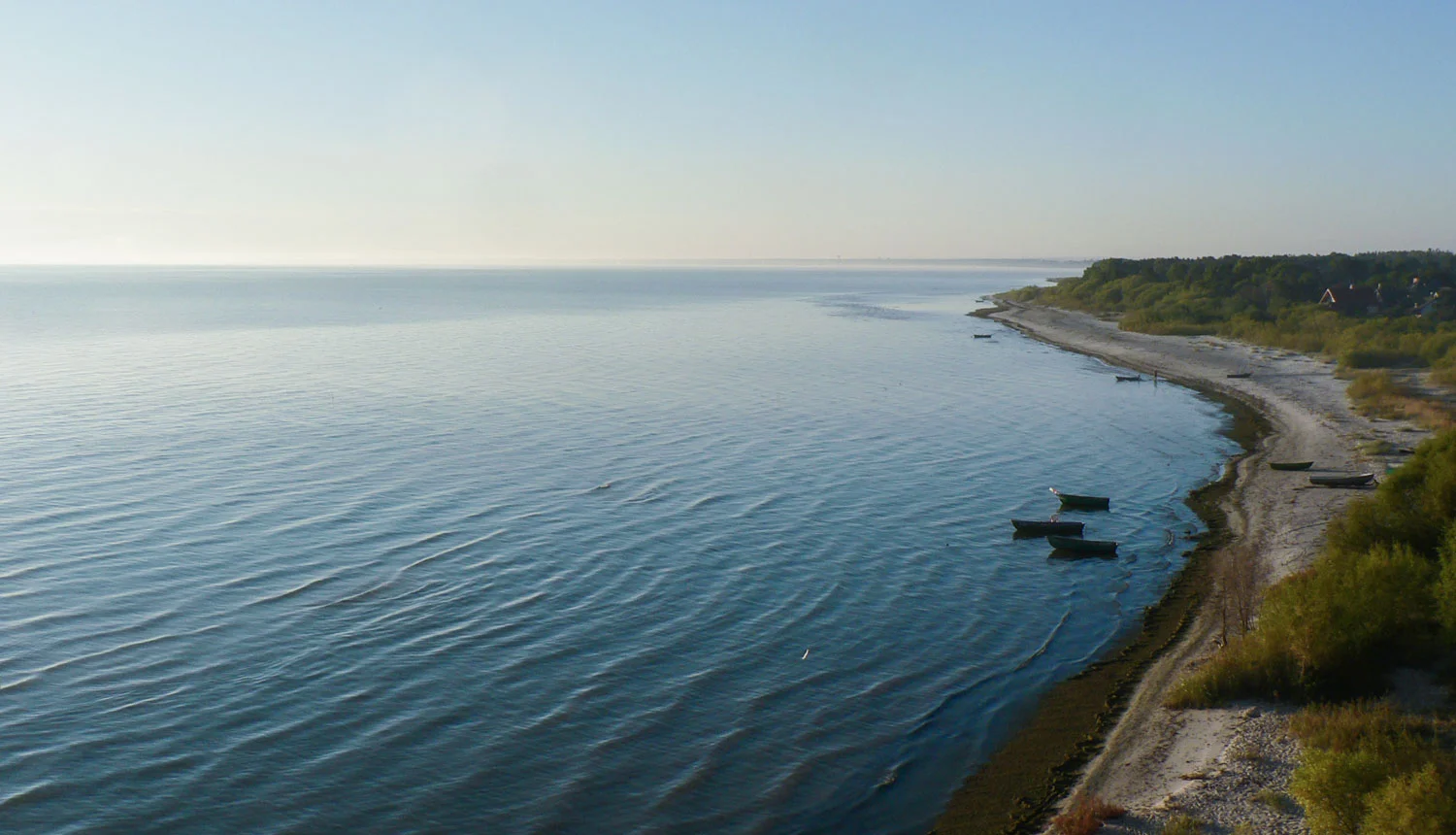
The Nature Conservation Board (Dabas aizsardzības pārvalde) has released a revised version of the Nature Conservation Plan for Protected Marine Areas (AJT). This document is now open for public scrutiny, offering residents of Salacgrīva, Engure, and Pāvilosta a direct say in how their coastal waters will be managed through 2038. The consultation period, which runs from May 6 to June 5, is a critical window for local stakeholders—including fishermen, tourism operators, and property owners—to review proposed zoning changes and submit their feedback.
Opportunities for Public Feedback on Coastal Regulations
To facilitate a transparent dialogue, three in-person meetings have been scheduled along the coast. Each session will feature experts and scientists from the LIFE REEF project who will present the scientific data behind the plan, explain the updated zoning, and answer questions regarding specific local impacts. All meetings will follow an identical agenda, allowing residents to choose the location most convenient for them.
| Date | Time | Location |
|---|---|---|
| May 19 | 18:00 | Salacgrīva Office, Rīgas iela 10a |
| May 20 | 18:00 | Engure Culture House, Jūras iela 85 |
| May 21 | 18:00 | Pāvilosta Culture House, Dzintaru iela 47 |
For those unable to attend in person, the full draft of the AJT Nature Conservation Plan is available for review online. Written proposals and comments are being accepted until the close of the consultation period on June 5. These can be sent via post to the Nature Conservation Board at Baznīcas iela 7, Sigulda, LV-2150, or via email to pasts@daba.gov.lv.
Balancing Environmental Protection with Local Industry
The updated plan aims to find a sustainable balance between the preservation of the Baltic Sea’s fragile ecosystem and the socio-economic needs of coastal communities. By utilizing the latest scientific data on fish populations, bird migration, and marine habitats, the Nature Conservation Board has refined the proposed zoning to be more precise.
For local businesses, entrepreneurs, and municipalities, this plan provides much-needed clarity. It outlines exactly which activities are permissible in specific zones and what conditions must be met for new developments. The goal is to protect sensitive marine habitats while maintaining opportunities for sustainable fishing, tourism, and recreation. This administrative transparency is intended to give investors and local governments a stable framework for the next 12 years of coastal development.
Protecting the Baltic Sea’s Fragile Ecosystem
This initiative is a core component of the LIFE REEF project, a collaborative effort between the Nature Conservation Board, the Latvian Institute of Aquatic Ecology (Daugavpils University), and the “BIOR” Institute of Food Safety, Animal Health, and Environment. A primary driver for this update is the requirement to expand the Natura 2000 network within Latvia’s exclusive economic zone.
The plan specifically focuses on the protection of “Stony reefs in the sea” (biotope 1170). These reefs are essential biodiversity hotspots, serving as vital spawning grounds for fish and feeding areas for protected sea birds. By establishing a comprehensive protection system, Latvia aims to fulfill its international environmental obligations and prevent potential infringement procedures from the European Commission regarding insufficient marine protection.
Timeline for Implementation and Legal Status
It is important for residents to understand that the current Nature Conservation Plan has a “recommending status.” While it sets the strategic direction for the next 12 years, the new boundaries and specific use restrictions will not take immediate effect. The plan must first be approved by the Minister of Smart Administration and Regional Development.
The final legal force of these regulations will only be established after the Cabinet of Ministers approves the individual protection and use regulations for each specific Protected Marine Area. This multi-stage process ensures that the scientific recommendations are thoroughly vetted and that public feedback from the current consultation phase is integrated into the final legal framework. Residents are encouraged to take this opportunity to shape the future of their coastal environment before the regulations are finalized.
Source: Limbažu novada pašvaldība