By Hiyastar Money Desk
Published 2 June 2026
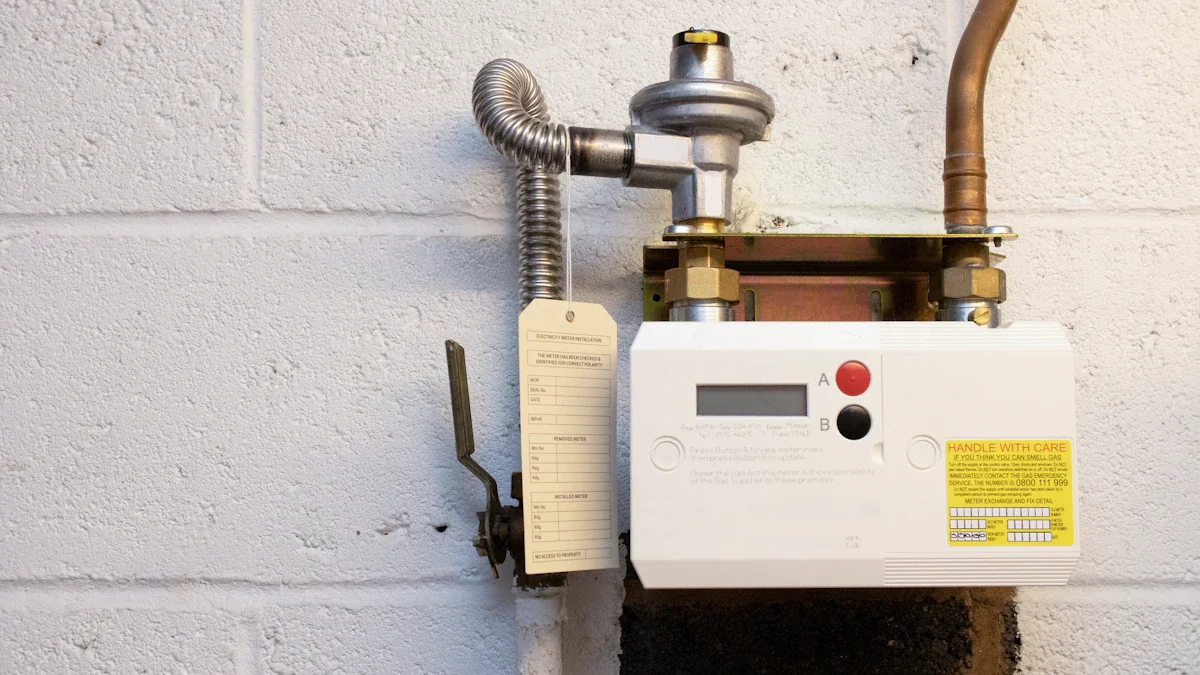
With June now under way, Great Britain households on default energy tariffs have less than a month before Ofgem’s new price cap starts on 1 July 2026. The headline cap rises 13%, but the most important reader check is more specific: gas unit rates are rising much faster than electricity, while fixed-rate tariffs are not changed by this cap decision.
The new cap runs from 1 July to 30 September 2026 and applies to default tariffs, including customers paying by Direct Debit, standard credit, prepayment meter and some Economy 7 arrangements. Actual bills will still depend on usage, region, meter type, payment method and tariff.
Who the July price cap affects
The Ofgem cap limits the maximum unit rates and standing charges suppliers can set for customers on default tariffs in Great Britain. It is not a cap on a household’s total bill. A home that uses more energy than the typical-use benchmark will pay more; a home that uses less will pay less.
Customers on fixed-rate tariffs are in a different position. Ofgem says fixed-rate customers are not affected by this price-cap change, because their rates are set by their contract. They may still want to compare their fixed deal with the new July default rates before deciding what to do next.
The cap moves from £1,641 to £1,862 on the old comparison
Ofgem announced on 27 May that the energy price cap for default tariffs will rise by 13% for the July-to-September period. On the existing typical-use comparison for a Direct Debit customer, that means the annualised figure moves from £1,641 to £1,862.
There is a second number readers will see from July: £1,663. That is not a smaller version of the same bill. Ofgem says it is updating Typical Domestic Consumption Values from 1 July to reflect lower average household energy use, so the cap level referenced from that date will be £1,663 per year under the revised consumption benchmark.
That distinction matters. The £1,862 figure compares the new cap with the old typical-use basis. The £1,663 figure uses updated typical-use assumptions. Neither is a prediction of any one household’s exact annual bill.
Gas unit rates rise far more than electricity
For Direct Debit customers, Ofgem’s average unit-rate figures show why gas-heavy households may feel the July change more sharply. Electricity rises from 24.67p to 26.11p per kWh, while gas rises from 5.74p to 7.33p per kWh.
| Average Direct Debit rate | From 1 July 2026 |
|---|---|
| Electricity unit rate | 26.11p per kWh |
| Electricity standing charge | 57.19p per day |
| Gas unit rate | 7.33p per kWh |
| Gas standing charge | 29.04p per day |
Ofgem says gas bills are rising by about 24%, compared with around 5% for electricity. The regulator links the July rise mainly to wholesale gas costs, with wider geopolitical pressures, including conflict in the Middle East, adding pressure to market prices.
Standing charges barely move in the average Direct Debit figures. Electricity’s standing charge changes from 57.21p to 57.19p per day, while gas moves from 29.09p to 29.04p per day. The larger change is in the price of each unit of gas used.
The checks to make before 1 July
The first check is tariff type. If the bill says standard variable, default or deemed tariff, the cap is likely to matter. If it says fixed, the July cap rise does not automatically change those contracted rates.
The second check is payment method. Direct Debit, standard credit and prepayment customers have different cap levels. Regional rates also vary, so the national average unit rates are useful for context but should be compared with the supplier’s own tariff table.
Households should also check whether their supplier is offering a fixed tariff, a smart-meter weekend rate or another time-of-use deal. Those can be useful for some homes, but only if the unit rates, standing charges and usage pattern make sense together.
Anyone who cannot pay should contact their supplier before arrears build. Suppliers can discuss payment plans, hardship support and advice based on the customer’s circumstances.
The 13% rise will not hit every bill the same way
The safest way to read Ofgem’s July cap is as a ceiling on default tariff prices, not a fixed household bill. A home with gas heating and high winter or hot-water use may see a different impact from a low-use flat, an Economy 7 customer or a household already locked into a fixed deal.
The practical number to compare this month is not only the headline £1,862 or £1,663. Check the pence-per-kWh rates, standing charges, payment method and tariff end date against the supplier’s current offer before the new cap starts on 1 July.
Source: Ofgem
Context & actions About this article
Source check Source basis
This article uses Ofgem’s published July 2026 price-cap announcement and unit-rate tables for Great Britain default tariffs.
- Ofgem price cap period: 1 July to 30 September 2026
- Direct Debit comparison: £1,641 to £1,862 under the old typical-use basis
- Revised Typical Domestic Consumption Values reference from July: £1,663
- Fixed-rate tariffs are not changed by this cap decision
- Source
- Ofgem
- Scope
- Great Britain
- Updated
- 2026-06-02 09:25
Source check
Report a trust issue
Send a clear signal to community moderation if the source, facts or context need review.
Article contextPeople & topics#7
What do you think about this article?
Reader Ideas Newsroom
Have a sharper angle for this topic? Add it to the community idea board and let readers vote it up for editorial review.



/linkComments
8+ useful words can earn +10-60 DP; shorter replies can still publish without DP.