Paris Unveils 2026 Urban Overhaul and School Reform Plans
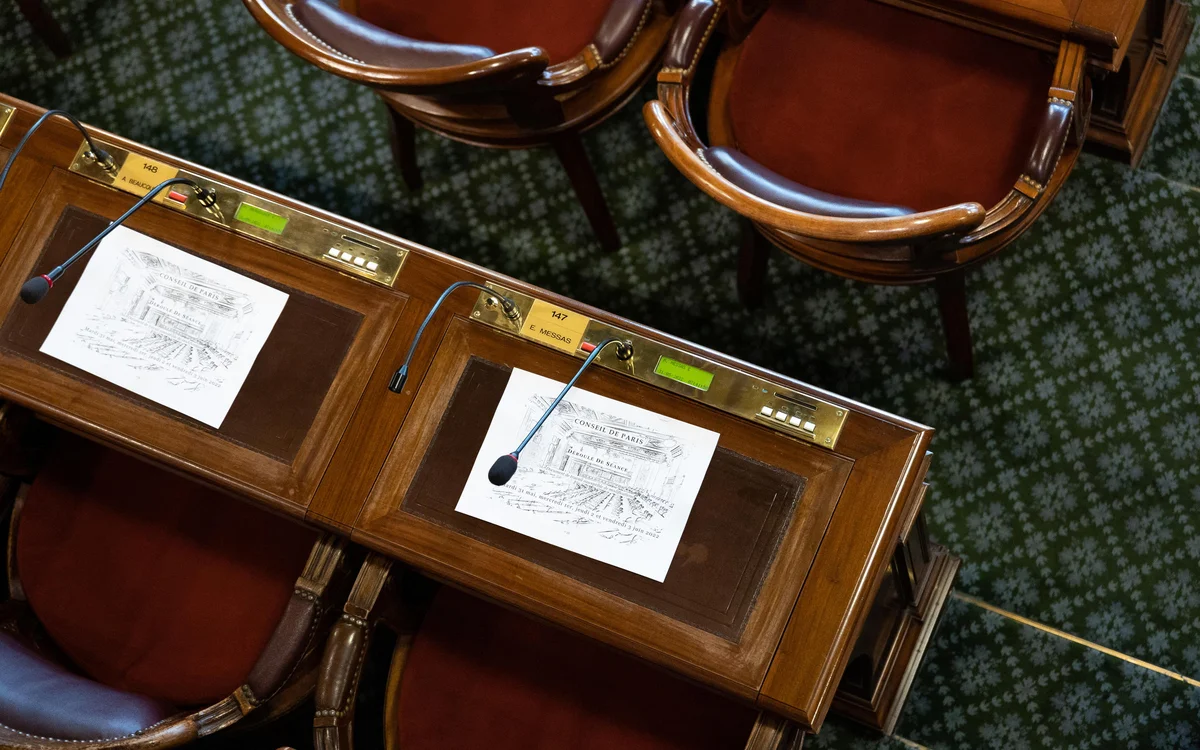
The Council of Paris is set to meet from May 19 to 22, 2026, to deliberate on a sweeping agenda aimed at modernizing the French capital’s infrastructure and addressing a controversial reduction in school resources. The four-day session will focus on two primary pillars: a comprehensive strategy to transform public spaces and a high-stakes debate over the future of the city’s public education system in the face of significant class closures.
Opening with tributes to the late former Prime Minister and Paris councillor Lionel Jospin, as well as former councillor Patrick Trémège, the session quickly pivots to the immediate concerns of the city’s two million residents. The municipal government is expected to outline a multi-year plan to reinvent the daily experience of the city through five core priorities: cleanliness, security, greening, accessibility, and daily transport.
A Blueprint for Urban Transformation
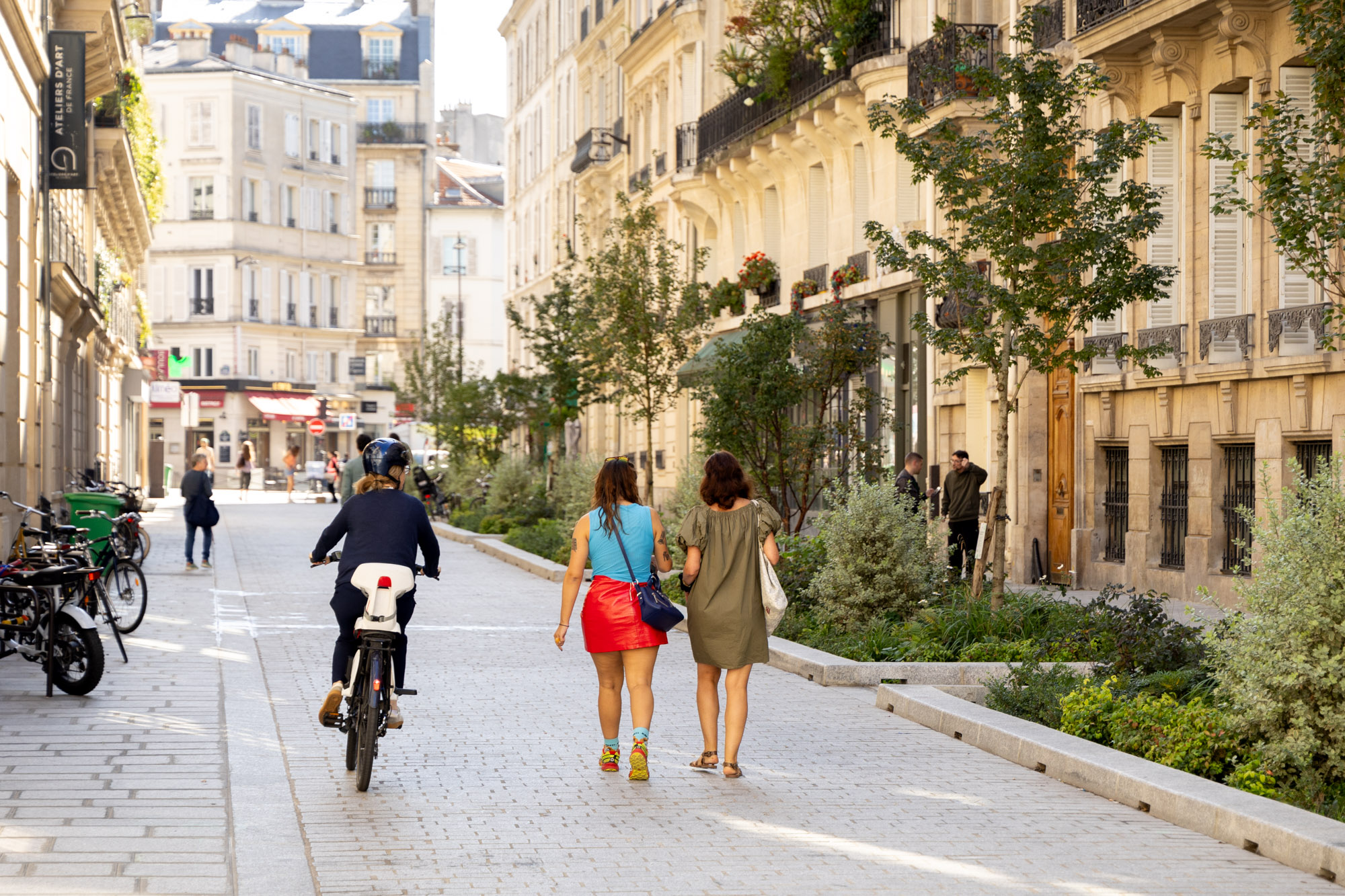
The proposed urban strategy represents a significant shift in how Paris manages its streets. Central to the plan is the “de-cluttering” of pavements and a reinforced crackdown on anti-social behavior. For pedestrians and cyclists, this means a redesign of the city’s most accident-prone sectors to improve safety and ease of movement.
In response to the intensifying effects of climate change, the Council will review plans to create new “islands of freshness”—designated green zones designed to lower local temperatures during summer heatwaves. This environmental push includes the expansion of pedestrian-only streets and the introduction of new express bus lines intended to provide a viable alternative to private car ownership. These measures mirror similar urban planning debates currently taking place in major UK cities like London and Birmingham, where local authorities are balancing the need for better air quality with the demands of urban mobility.
Demographic Shifts and Education Challenges
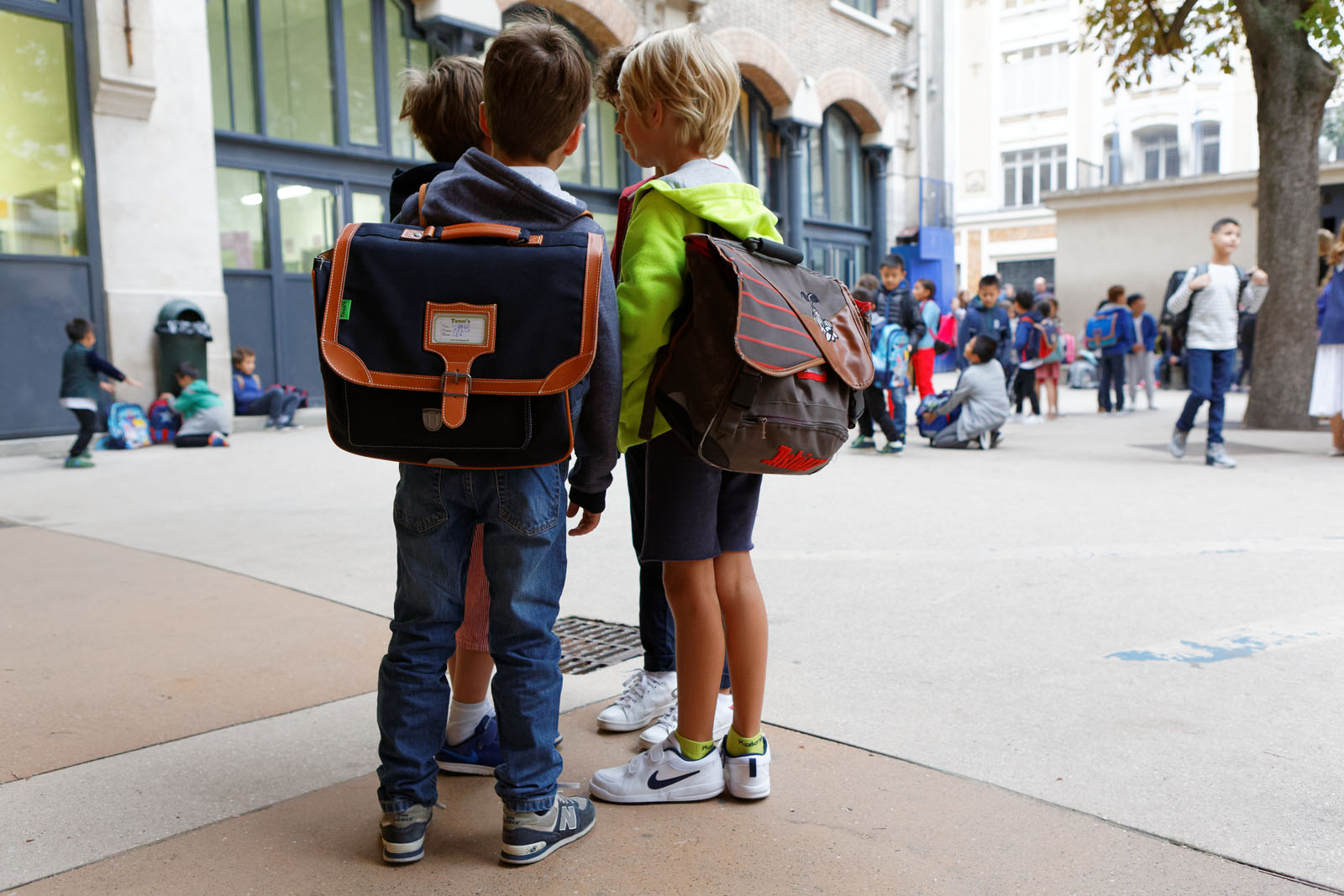
While urban aesthetics and transport dominate the early agenda, the most politically sensitive debate is scheduled for Wednesday, May 20. The Council will address a series of proposed cuts by the Academy of Paris (the regional educational authority), which include the closure of 139 primary school classes and the suppression of 112 secondary teaching posts for the 2026 academic year.
These closures are being driven by a sustained demographic decline in the capital, a trend seen in several major European hubs as families move to the suburbs or further afield. However, the City of Paris is expected to challenge the national government’s approach. Local officials argue that the reduction in student numbers should be viewed as an opportunity to improve learning conditions and reduce class sizes, rather than a justification for staff cuts.
Furthermore, the city is highlighting systemic issues that demographic shifts do not solve. Reports indicate that up to 200 classes per day in Paris are currently left without substitute teachers. The Council is calling for a “reinforced dialogue” with the Ministry of National Education to ensure that local realities—such as the specific needs of disadvantaged neighborhoods—are considered before any final decisions on school closures are implemented.
Public Access and Legislative Timeline
The Council of Paris operates with a high degree of transparency, and the May 2026 sessions are no exception. Following the opening tributes and the urban policy debate on Tuesday, the Council will move into the detailed examination of specific project deliberations. Thursday and Friday will be dedicated to finalizing outstanding dossiers and voting on the proposed measures.
For those wishing to observe the proceedings, the sessions are open to the public at the Hôtel de Ville (via the Rue de Lobau entrance). While the debates are often spirited, strict protocols remain in place: visitors are prohibited from reacting, applauding, or using mobile phones during the session. For international observers and residents alike, these meetings provide a critical look at how one of the world’s most iconic cities is attempting to reconcile its historic architecture with the demands of 21st-century urban living and social equity.
Source: Mairie de Paris