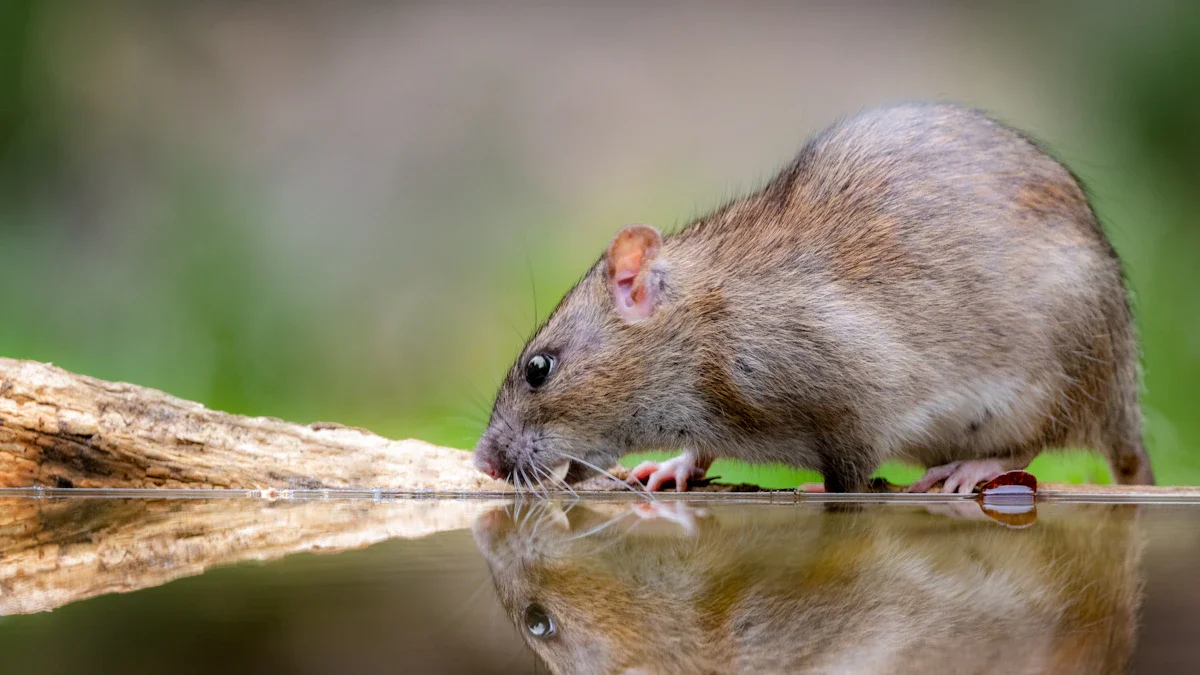
While recent health alerts regarding hantavirus have captured headlines across Europe, public health officials in the Baltic region are shifting the focus toward more immediate, localized threats. The Lithuanian National Public Health Centre (NVSC) and pest control experts have issued a joint advisory highlighting the persistent risks of diseases such as yersiniosis and tularemia, which remain prevalent even where hantavirus is not currently recorded.
Health specialists emphasize that while the broader European community remains vigilant about emerging viral threats, common rodents in residential and agricultural areas continue to act as primary vectors for bacterial infections that can have severe consequences if left untreated. The warning comes as seasonal transitions often drive rodents into human dwellings, increasing the likelihood of direct and indirect contact.
The Hidden Threat of Yersiniosis and Tularemia
One of the most frequent infections linked to rodent activity is yersiniosis. Caused by the Yersinia genus of bacteria, this pathogen is particularly resilient because it can survive and even thrive in cold environments, including refrigerated storage. According to Aušra Valaikienė, a representative of the NVSC’s Communicable Disease Management Department, the symptoms can be deceptive.
“The primary signs of yersiniosis are fever and abdominal pain, which are frequently mistaken for acute appendicitis,” Valaikienė notes. Beyond direct contact with rodents, humans can contract the disease through contaminated food—particularly undercooked pork—as well as unwashed vegetables or water sources that have been compromised by rodent waste.
Even more severe is tularemia, a disease that can be transmitted through direct contact with an infected animal, insect bites, or the consumption of contaminated water and meat. The onset is typically aggressive, characterized by high fevers reaching 38–40°C, chills, debilitating headaches, and muscle pain. As the infection progresses, patients may experience inflammation of the eyes with purulent discharge, sore throats, and an enlarged liver or spleen. In respiratory cases, a dry cough and chest pain are common, requiring immediate medical intervention.
Transmission Risks in the Modern Household
The transmission of these pathogens is often invisible to the naked eye. Rodents utilize urine as a sophisticated chemical signaling tool to mark territory and communicate reproductive status. This means that if a mouse or rat enters a home, it is likely leaving microscopic traces of biological waste on kitchen counters, inside cabinets, and along floorboards.

Liutauras Grigaliūnas, a biologist and pest control expert at Dezinfa, warns that traditional “rural” habits can lead to dangerous complacency. “Many people are used to finding a nibbled vegetable in the cellar and simply cutting off the damaged part or throwing the item away without further thought,” Grigaliūnas explains. “However, rodents urinate frequently as they move. If there are pests in your office or home, there is a high probability that urine traces are on the very surfaces where you prepare food or work.”
Inhalation is another significant risk factor. Pathogens can become airborne when dried rodent feces or urine are disturbed. This typically occurs when residents clean out long-neglected spaces like attics, sheds, or basements, inadvertently breathing in contaminated dust.
Essential Prevention and Safe Cleaning Practices
To mitigate these risks, experts recommend a proactive approach to home maintenance and a specific protocol for cleaning areas where rodents have been present. The first line of defense is structural: sealing even the smallest gaps in walls, door frames, and window seals with durable materials like concrete or metal that rodents cannot gnaw through. Ventilation openings should be covered with fine metal mesh.
When it comes to sanitation, the NVSC strongly advises against dry sweeping or vacuuming in areas with rodent activity, as this aerosolizes bacteria. Instead, residents should use a “wet cleaning” method. This involves thoroughly wetting the area with a disinfectant or a warm soapy water solution before wiping it down, while wearing protective gloves and ensuring the space is well-ventilated.
Food safety remains paramount. All food products should be stored in airtight glass or heavy plastic containers. Fruits and vegetables must be washed rigorously, and any food item showing signs of rodent contact should be discarded entirely, as surface washing may not be sufficient to remove deeply embedded pathogens.
Source: BNS
Context & actions About this article
Article contextPeople & topics#5
What do you think about this article?
Reader Ideas Newsroom
Have a sharper angle for this topic? Add it to the community idea board and let readers vote it up for editorial review.



/linkComments
8+ useful words can earn +10-60 DP; shorter replies can still publish without DP.