Symbolic Art and Empty Shoes: Vilnius Marks Missing Children’s Day
In the heart of Vilnius, on the bustling Konstitucijos Avenue, stands a bronze sculpture of a young girl titled “…Mama!”. This solitary figure, reaching out into the void, is set to become the focal point of a poignant community gathering on May 25th. To commemorate International Missing Children’s Day, the Missing Persons Families Support Centre is transforming the space around the monument into a living installation of memory and hope.
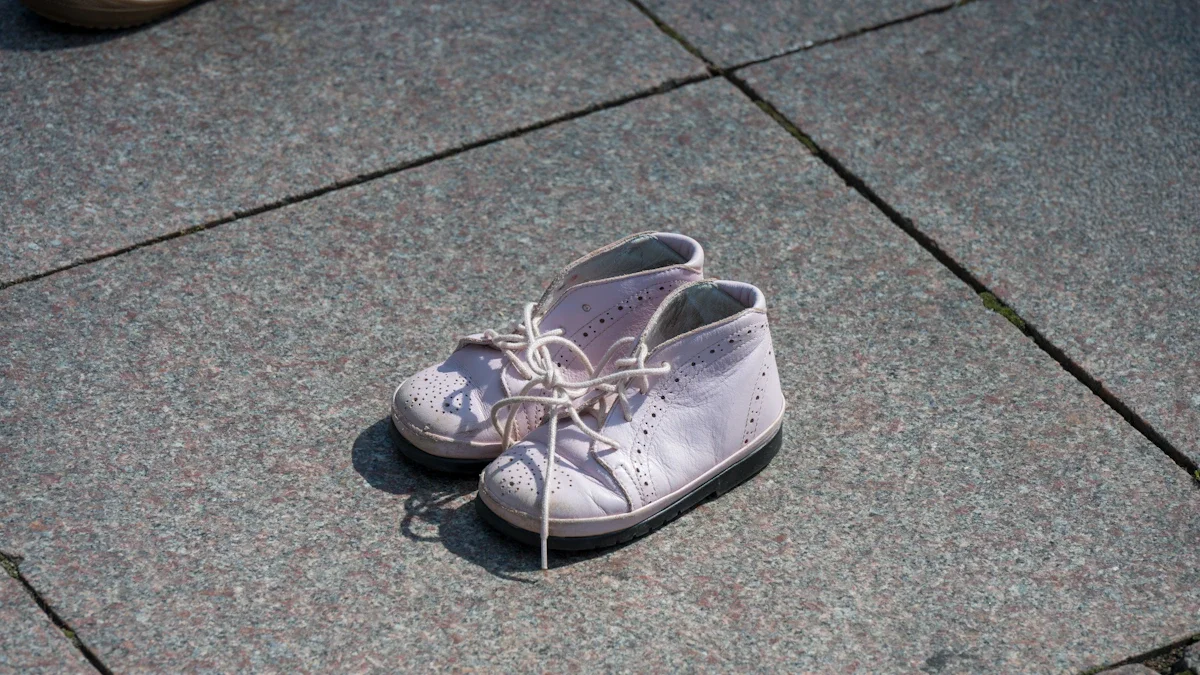
The event, which runs from 09:00 to 14:00, invites the public to contribute to a symbolic display by bringing unused children’s shoes and toys. These items serve a dual purpose: they represent the physical and emotional void left in the homes of children who have vanished, yet they also offer a tangible future for others. Following the event, all collected items will be distributed to underprivileged families, turning symbols of loss into gestures of community support.
A Growing Concern in the Baltic Region
While Lithuania is often celebrated for its safety and rapid modernization, the statistics regarding missing minors tell a more complex story. On average, approximately 2,000 cases of missing children are registered annually in the country. The vast majority of these instances involve teenagers who leave home or care facilities voluntarily, often driven by domestic conflict, emotional distress, or social pressures.
Less frequent, but equally devastating, are cases of parental abduction following high-conflict divorces. While criminal kidnappings by strangers remain exceptionally rare in Lithuania, the sheer volume of runaway cases places a significant strain on local law enforcement and social services. This event aims to shift the narrative from reactive searching to proactive prevention, emphasizing that every child’s absence is a critical emergency, regardless of the circumstances of their departure.

The Tradition of the “…Mama!” Sculpture
The sculpture itself carries a weight of history that transcends local borders. In 2016, during a period of heightened awareness regarding child safety in Europe, Pope Francis blessed the monument. He initiated a tradition that continues to this day: touching the small girl’s hands as a gesture of prayer and hope for the safe return of all missing children.
For visitors and locals alike, the act of touching the bronze hands has become a silent ritual of solidarity. During the May 25th commemoration, the space will also host educational sessions. Representatives from the police and other emergency services will be on hand to engage with families, offering advice on child safety and the steps to take if a child goes missing. For younger attendees, the organizers have planned various activities and small gifts to ensure the day remains approachable and supportive rather than purely somber.
Support Systems and Global Connectivity
The Missing Persons Families Support Centre, the NGO behind the initiative, serves as a vital bridge for families in crisis. Their work extends beyond the immediate search, providing psychological support for families dealing with the trauma of a missing relative, as well as assisting victims of human trafficking and domestic violence.

In an increasingly mobile Europe, the organizers are also using this event to remind the public of the 116 000 hotline. This number is the European harmonized service for missing children, accessible across all EU member states, including the UK and Lithuania. It provides a centralized point for reporting and receiving emotional support, ensuring that even if a child crosses borders, the support network remains intact.
By gathering at the “…Mama!” sculpture, the community in Vilnius is not just remembering those who are gone; they are reinforcing a safety net for those who remain, proving that in the face of such profound uncertainty, collective action and shared empathy are the most powerful tools available.
Source: Vilniaus rajono savivaldybė