The Noble Return: Plater-Sieberg Descendants Revisit Latgalian Roots
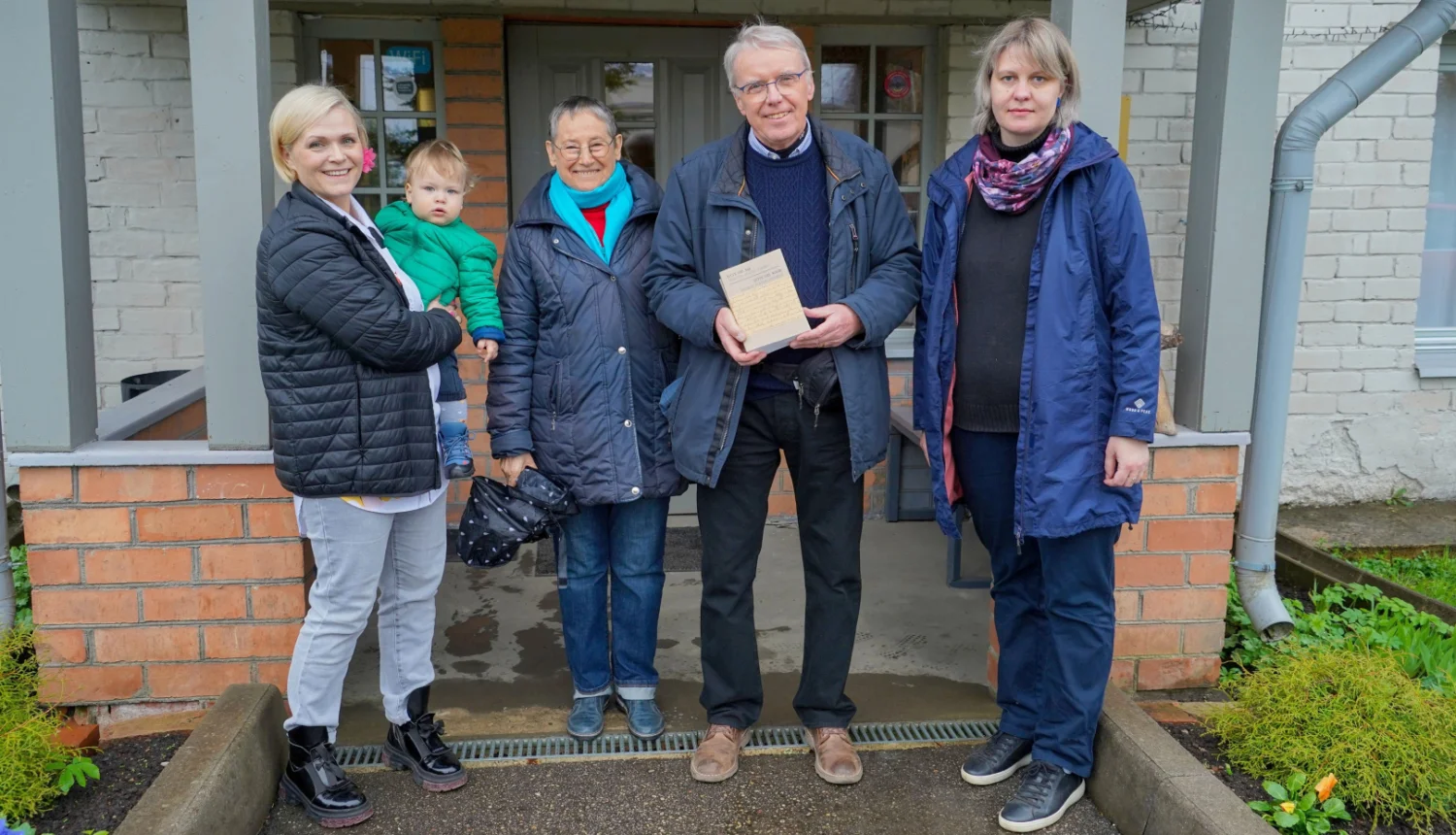
In the quiet landscapes of Latgale, Eastern Latvia, history is often measured in the endurance of stone manors and the fading ink of family trees. For Henryk Woźniakowski and his wife Barbara, a recent journey to the villages of Vabole and Līksna was more than a sightseeing tour; it was a profound confrontation with a noble legacy that was nearly erased by the tumultuous 20th century.
As the great-grandson of Count Teofils Plater-Sieberg, the former owner of the Vabole estate, Henryk’s visit marks a significant moment for local historians and the descendants of the Baltic nobility. The Plater-Sieberg family was once a cornerstone of the regional aristocracy, but like many of their peers, the onset of the World Wars and subsequent Soviet occupation scattered the lineage across Europe, from Poland and Austria to the United Kingdom.
The Legend of the ‘Armless Count’
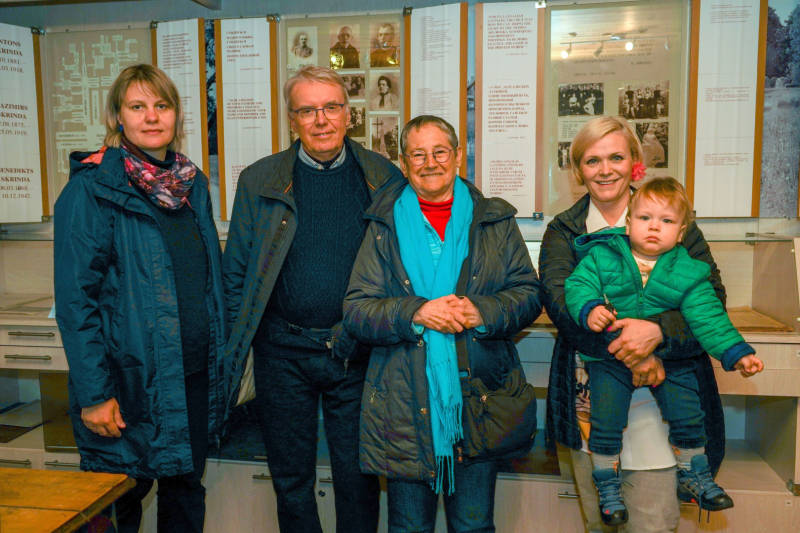
Central to the family’s lore is the figure of Count Irenejs Plater-Sieberg, Henryk’s great-uncle. Irenejs became a local legend not for his titles, but for his extraordinary resilience. Born without arms, he refused to be defined by his disability. During his visit to the Skrinda Family Museum, Henryk recounted stories passed down through generations, including the local belief that Irenejs’s condition was a prenatal omen after his mother encountered a man without arms during her pregnancy.
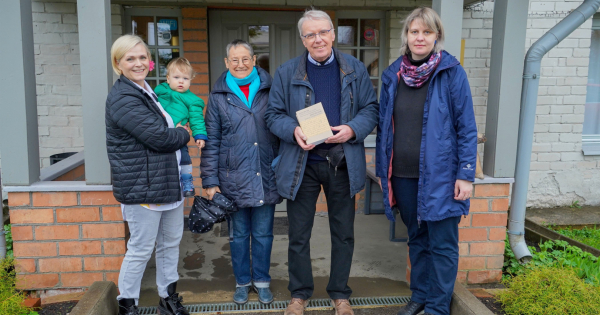
Irenejs’s life was a testament to human willpower. He learned to write with both his feet and his mouth, producing a handwriting so consistent it was indistinguishable regardless of the method used. Far from being a recluse, he was known as a formidable physical presence—anecdotes suggest he once fended off two attackers using only his head and legs—and a talented equestrian. His autobiographical work, Life Without Arms, originally written in 1931, remains a poignant piece of historical literature, a copy of which was presented to Henryk in both Latvian and Polish during his visit.
The British Connection and a Fading Name
For readers in the UK, the story of the Plater-Siebergs carries a specific resonance. The family’s presence in Britain is a direct result of the post-war diaspora. Henryk revealed that the last person to officially carry the Plater-Sieberg name in this specific branch was his maternal uncle, also named Henryk, who emigrated to England after the war.
Like many aristocratic refugees of that era, the elder Henryk’s life in the UK became a chapter of quiet assimilation. Over time, contact with the family in Poland and Latvia withered. With no children from his marriage and the tragic passing of an illegitimate son at the age of 20, the Plater-Sieberg surname effectively vanished from this lineage upon his death. This narrative of a ‘lost uncle’ in England is a common thread among European noble families whose ties were severed by the Iron Curtain.
Local Impact and Historical Preservation
The visit was not merely sentimental; it provided a vital opportunity for historical ‘fact-checking.’ At the Līksna library, Henryk spent time updating the family tree with contemporary data, offering historians a clearer picture of the family’s movement through the late 20th century. The couple also explored the newly established Emilija Plātere walking trail and visited the family vaults guided by Biruta Onzule, the keeper of the Līksna manor chapel.
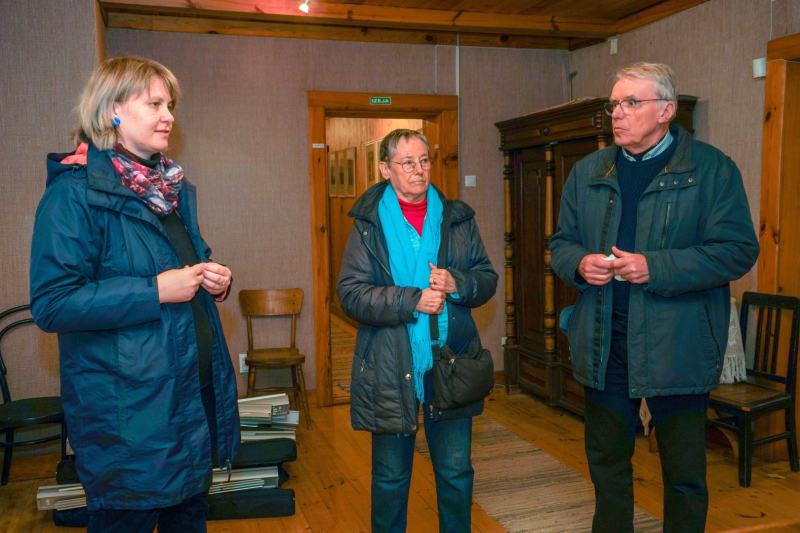
For the Skrinda Family Museum, the interaction with Henryk and Barbara opens a new chapter of collaboration. Museum specialist Ilze Ozoliņa noted that the exchange of information would likely lead to a better understanding of the Vabole manor’s original architecture and daily life, potentially leading to new visualisations of the estate as it stood in its prime.
What Lies Ahead
The return of the Plater-Sieberg descendants underscores a growing trend in Eastern Europe: the ‘genealogical homecoming.’ As the generations that lived through the wars pass away, their descendants are increasingly looking toward the Baltic states to reclaim their cultural identity. While the titles and the vast estates are things of the past, the preservation of their stories ensures that the complex, multicultural history of Latgale remains vibrant and documented for future generations.
Original reporting by: ikdiena.lv
Source: Augšdaugavas novada pašvaldība