Vilnius Launches Specialized Day Care to Support Terminally Ill Patients
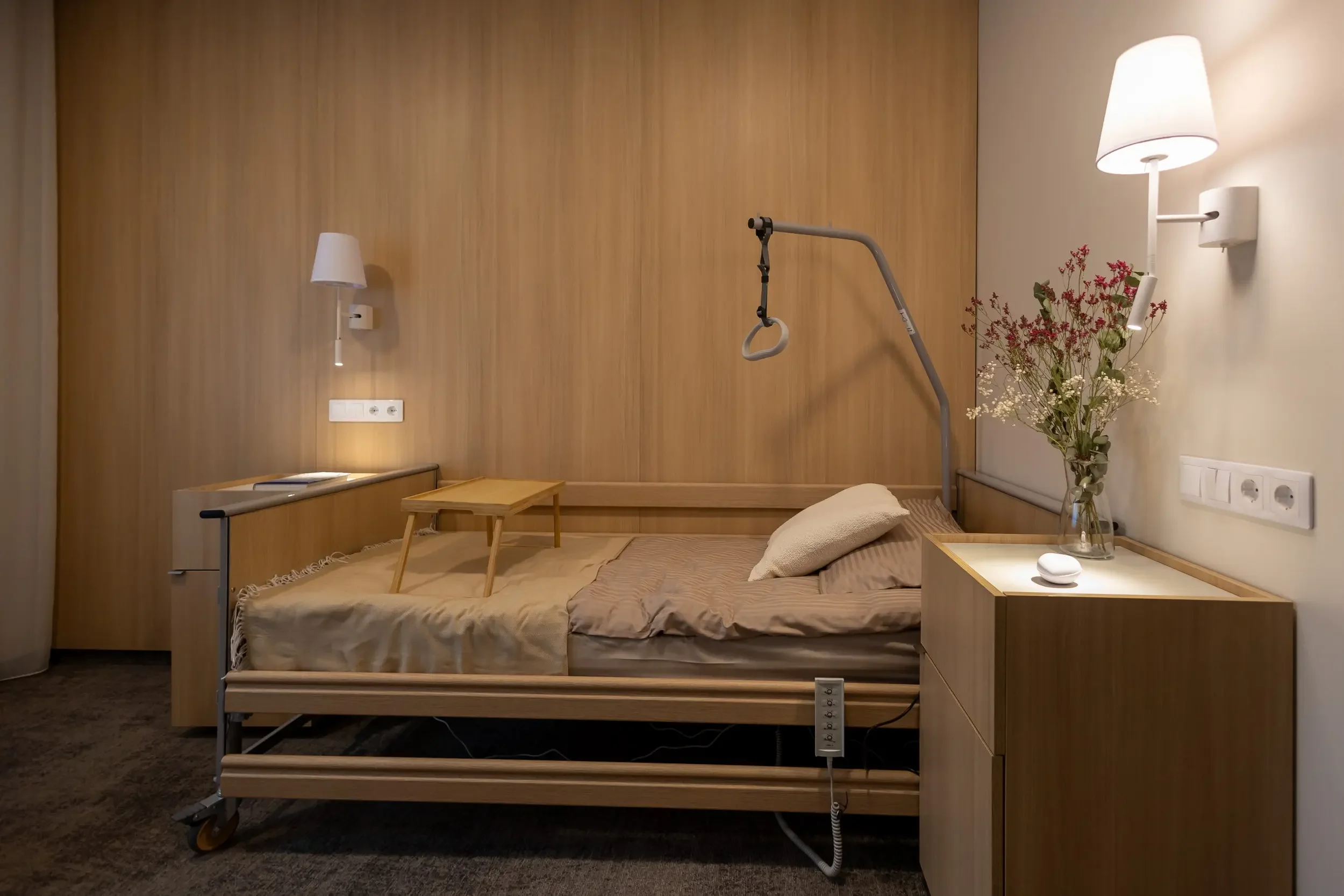
Walking into the newly opened long-term care day center in Vilnius, visitors are not met with the clinical chill of a traditional hospital. Instead, the space on Minsko pl. 14 is designed to evoke the atmosphere of a modern spa or a quiet sanatorium. This aesthetic choice is a deliberate move by the Vilnius City Municipality and the “Addere” nursing hospital to redefine how the city approaches the final stages of life, focusing on emotional security and dignity rather than just medical management.
The facility is one of the first of its kind in Lithuania, specifically tailored for adults facing progressive, life-threatening illnesses where active treatment options have been exhausted. By providing a professional medical environment during the day while allowing patients to return to their own beds at night, the center addresses a critical gap in the healthcare system: the need for intensive symptom management that doesn’t require permanent hospitalization.
A Holistic Approach to End-of-Life Care
The center’s service model moves beyond basic nursing. The multidisciplinary team includes not only nurses and nursing assistants but also social workers, physiotherapists, and medical psychologists. A unique addition is the dedicated spiritual care and therapy team, tasked with addressing the existential anxiety, loneliness, and fear that often accompany terminal diagnoses.
With a capacity for 12 patients at a time, the facility offers single and double rooms that are fully adapted for individuals with disabilities. The goal is to create a personalized care plan for each visitor, ensuring that their functional state is managed to improve their overall quality of life. This level of specialized attention is designed to empower patients, making them feel like respected individuals rather than just medical cases during their most difficult life stages.
Integrating Professional Support with Home Life
One of the most practical innovations of the project is the acquisition of a specialized electric vehicle. This transport service ensures that patients with mobility issues can be safely brought from their homes to the center in the morning and returned in the evening. This mobility link is essential for the “day-stayer” model to work, as it allows the patient to remain in their emotionally secure home environment while their families receive much-needed respite during the day.

Simona Bieliūnė, Vice Mayor of Vilnius, noted that the demand for such services is rising alongside the prevalence of incurable diseases. While modern medicine can slow the progression of many conditions, the focus must eventually shift to the quality of the time remaining. Research consistently shows that patients feel more empowered and less stressed when they can maintain their domestic routines, making the day-stayer model a rational compromise between professional clinical care and home-based comfort.
Funding and the Broader Healthcare Shift
The project represents a significant investment in the city’s social infrastructure, totaling nearly €650,000. These funds were sourced from the state budget and the European Union’s Recovery and Resilience Facility (RRF). The partnership between the municipality and the “Addere” hospital highlights a growing trend of public-private collaboration to solve complex social issues.
For patients with a doctor’s referral, these services are provided free of charge, funded through the Compulsory Health Insurance Fund. This ensures that high-quality palliative care is not a luxury but an accessible right for those in need. Furthermore, the services can be combined with existing outpatient palliative care provided at home, creating a seamless support network for the terminally ill.
Beyond this single center, the initiative has a wider reach. As part of the same project, an additional €174,000 was allocated to equip ten other institutions across Vilnius with the necessary tools to provide better nursing care directly in patients’ homes. This dual approach—centralized day care and decentralized home support—marks a strategic shift in how the Lithuanian capital intends to manage the challenges of an aging population and the complexities of long-term illness.
Source: Vilniaus miesto savivaldybė