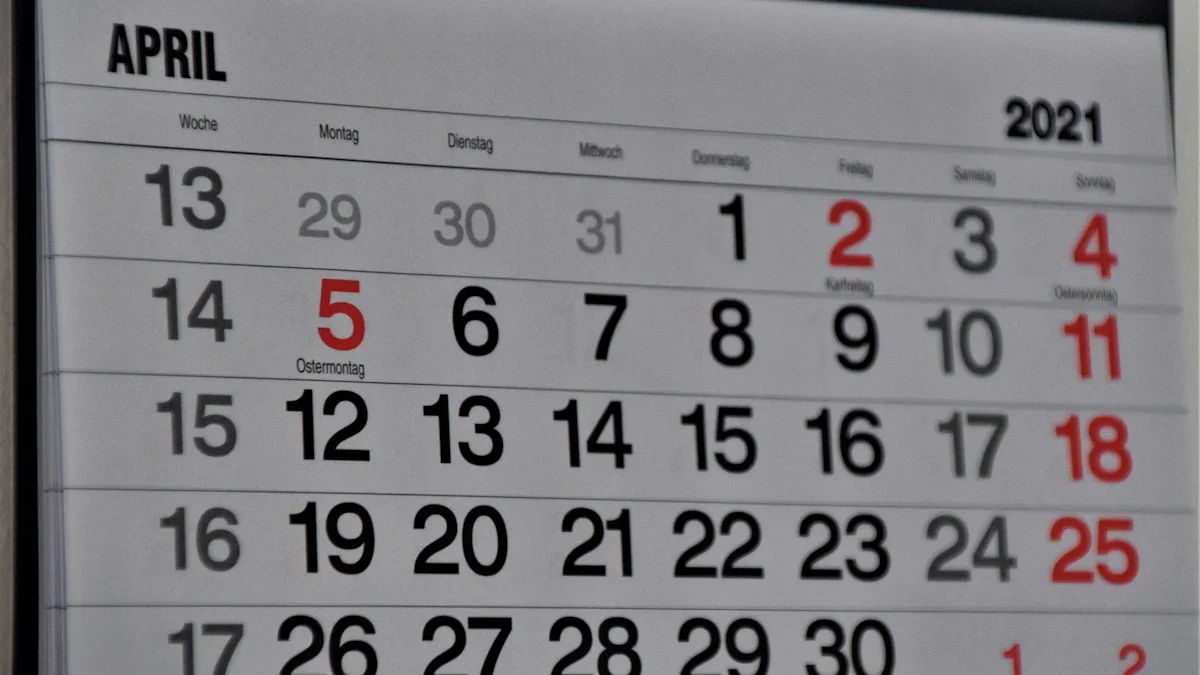
People expecting Universal Credit on Monday, May 25, 2026 should normally have received the money on Friday, May 22, because GOV.UK says payments due on a bank holiday are usually paid on the last working day before it. If your payment has not arrived, check your bank, building society or credit union account first, then check your Universal Credit journal before contacting support when services reopen.
The Spring Bank Holiday affects normal weekday routines for benefit payments and support lines. The next regular working day is Tuesday, May 26, when ordinary payment and contact patterns are expected to resume.
Payments due today should usually have arrived on Friday
The official GOV.UK Universal Credit payment guidance says that if a payment date falls on a weekend or bank holiday, the payment is usually made on the working day before. For the Spring Bank Holiday on Monday, May 25, 2026, that working day was Friday, May 22.
That means a Universal Credit payment expected today should not normally be delayed until Tuesday simply because of the bank holiday. The practical check is whether the payment reached your usual account on Friday.
| If your due date was | Expected payment timing |
|---|---|
| Monday, May 25, 2026 | Usually Friday, May 22, 2026 |
| Tuesday, May 26, 2026 | Usually Tuesday, May 26, 2026 |
This table explains the bank holiday timing rule. It does not prove that every individual payment has been made, because account details, sanctions, assessment changes, bank processing times or eligibility issues can still affect a specific claim.
Universal Credit checks to make before raising a payment issue
Start with the account where your Universal Credit is normally paid. Look for a payment dated Friday, May 22, not only Monday, May 25. Some banks show incoming benefit payments under a different transaction description from month to month, so check the amount as well as the label.
Next, sign in to your Universal Credit account and read your journal and latest statement. The statement should show the amount due, the assessment period and the scheduled payment date. If the figure is lower than expected, look for deductions, advances, rent changes, earnings, sanctions or overpayment recovery before assuming the bank holiday caused the issue.
If your statement shows a payment but the money is not in your account, record the date, amount and account details before contacting Universal Credit support. If your statement does not show the expected payment, your journal is usually the best place to ask for clarification once contact channels are available.
PIP and State Pension claimants should verify their own award details
Personal Independence Payment and State Pension are also administered by the Department for Work and Pensions, but payment dates vary by award, National Insurance number rules and individual schedules. If you expected PIP or State Pension today, check whether your award letter, online account information or bank record shows Friday, May 22 as the holiday-adjusted payment date.

This article uses the official GOV.UK Universal Credit payment page as the confirmed source for the bank holiday rule. It does not add unsourced claims about separate PIP, State Pension, tax credit or Child Benefit helpline opening times. If you need one of those services, check the relevant GOV.UK contact page before calling, because bank holiday phone availability can differ by department and service.
For HMRC-linked payments such as tax credits or Child Benefit, do the same practical check: look for an early payment on Friday, May 22, then verify against your official account or award notice. Do not rely only on social media screenshots or bank holiday rumours, especially if the payment amount is different from usual.
What to do if the money is still missing
If the payment has not arrived, avoid cancelling essential direct debits immediately unless you have checked the actual due date and your account balance. Some outgoing payments can trigger fees if cancelled without agreement.
Take these steps in order:
- Check the account where the benefit is normally paid, including transactions from Friday, May 22.
- Check your Universal Credit journal or official award information for the scheduled payment date and amount.
- Confirm that your bank account details have not changed or been entered incorrectly.
- Look for deductions, advance repayments, earnings changes or messages about your claim.
- Contact the relevant service when normal support resumes from Tuesday, May 26, if the official record says payment was due but the money is missing.
If you are short of money because a payment is missing, keep evidence of the expected payment, your latest statement and any bank record showing it has not arrived. That will make the conversation faster when support channels reopen.
Normal payment routines resume from Tuesday
The Spring Bank Holiday is a one-day timing change, not a new benefit cycle. For most people, payments due after the holiday should return to the normal schedule from Tuesday, May 26, 2026.
The key point is simple: a Universal Credit payment due on Monday, May 25 should usually have been paid on Friday, May 22. If it was not, check the official payment record first, then raise it through the correct service rather than assuming all DWP or HMRC payments have been moved to Tuesday.
Source: GOV.UK
Source check Source trail
This guide relies on GOV.UK guidance that Universal Credit payments due on a bank holiday are usually paid on the previous working day.
- Confirmed the Spring Bank Holiday date used in the article: Monday, May 25, 2026.
- Applied the GOV.UK bank holiday payment rule to the previous working day, Friday, May 22...
- Avoided listing helpline closures where no direct official source was provided.
- Flagged that PIP, State Pension, tax credits and Child Benefit should be checked against e...
- Source
- GOV.UK Universal Credit payment guidance
- Scope
- United Kingdom
- Updated
- 2026-05-25 08:18
Source check
Report a trust issue
Send a clear signal to community moderation if the source, facts or context need review.
Article contextPeople & topics#7
What do you think about this article?
Reader Ideas Newsroom
Have a sharper angle for this topic? Add it to the community idea board and let readers vote it up for editorial review.






/linkComments
8+ useful words can earn +10-60 DP; shorter replies can still publish without DP.