By Hiyastar Living Desk
Published: 26 May 2026
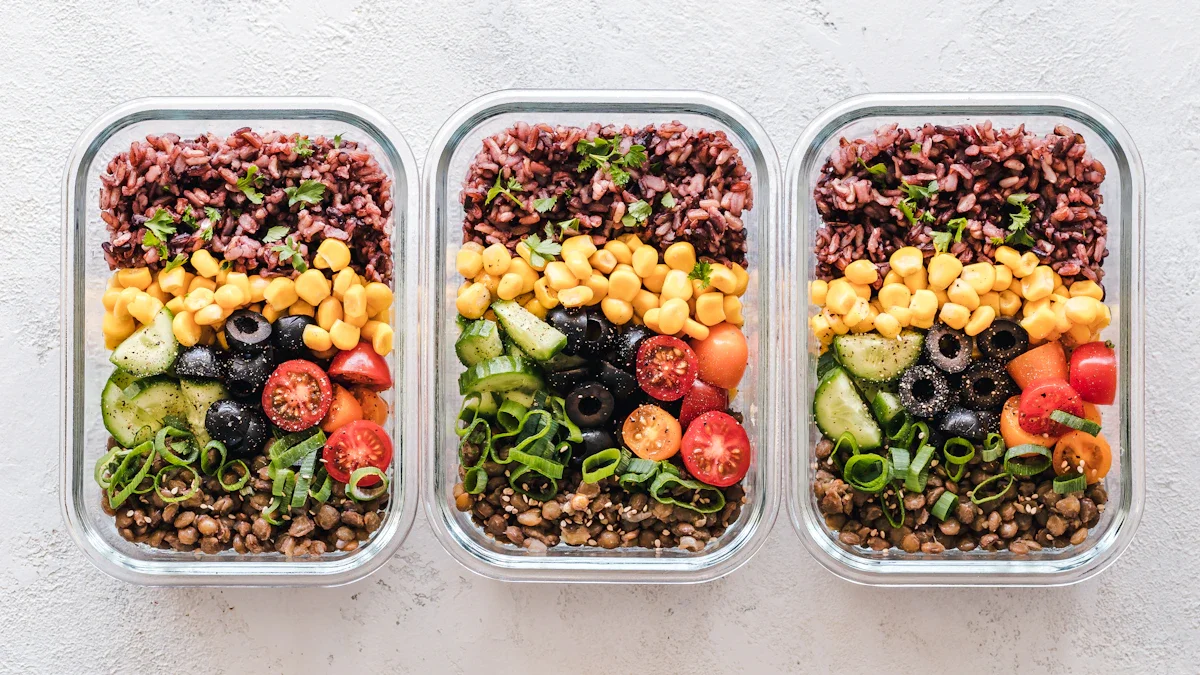
A supermarket freezer plan can cut a weekly food bill, but only when it replaces waste and last-minute purchases rather than simply adding more food to the basket. The biggest savings usually come from frozen vegetables, berries, fish portions, batch-cooked meals, bread, and reduced-price fresh food frozen at home. The plan fails when the freezer becomes a storage drawer for food nobody wants to eat.
For many households, the useful question is not whether frozen food is always cheaper. It is whether frozen food helps you buy closer to what you will actually use. A freezer-first week works best when it covers the risky parts of the shop: fresh produce that spoils quickly, meat or fish bought without a plan, and midweek convenience meals that become expensive when everyone is tired.
Where frozen food usually saves money
Frozen vegetables are often the easiest win. Peas, spinach, sweetcorn, mixed vegetables, broccoli and sliced peppers can be used by the handful, so the unused portion goes back into the freezer instead of turning soft in the fridge. This matters most for smaller households, shift workers and anyone who cooks irregularly.
Frozen fruit can also help, especially for smoothies, porridge, crumbles and yoghurt bowls. Fresh berries are easily wasted if plans change, while frozen berries can be measured out as needed. The saving is not only price per kilo; it is the fact that the whole bag can be used over several weeks.
Fish portions are another strong candidate. Frozen fillets, prawns or fish pie mixes can make it easier to include fish without buying fresh portions that must be cooked quickly. Chicken pieces, mince and vegetarian protein can also work well if they are portioned properly.
Bread is one of the most overlooked freezer foods. Sliced loaves, rolls, pittas and wraps can be frozen and toasted or defrosted as needed. For households that regularly throw away half a loaf, freezing bread on the day of purchase can produce a visible saving within a week.
Batch-cooked meals can be the most valuable freezer item of all. A labelled container of chilli, curry, soup, pasta sauce or stew is not just food storage. It is protection against a takeaway, an extra supermarket trip or a convenience meal bought at the end of a long day.
The cost logic only works if you change the basket
A freezer plan does not save money by magic. It saves money when it changes three behaviours.
First, it reduces spoilage. If you regularly throw away fresh herbs, salad bags, berries, bread, cooked rice, sauces or leftovers, the freezer can help only when you freeze items before they decline. Waiting until food is already limp or stale rarely gives good results.
Second, it reduces emergency shopping. A household with frozen vegetables, protein, bread and one ready meal option can often avoid the midweek top-up shop where extra snacks, drinks and treats creep into the basket.
Third, it makes bulk buying safer. Larger packs can be cheaper, but only if they are divided into realistic portions. A large pack of chicken is not a saving if it sits in the fridge until the use-by date passes. It becomes useful when it is split into meal-sized bags, labelled and frozen promptly.
The trap is overbuying. A freezer-first plan should not mean filling a trolley with bargain bags and hoping for the best. If the food is not tied to meals, it is still wasted money, just colder.
A simple one-week supermarket freezer plan
This example is designed for a household that wants five cooked meals, a few flexible lunches and less waste. Adjust the portions, but keep the structure.
| Freezer item | Practical use | Why it helps |
|---|---|---|
| Frozen peas or mixed vegetables | Add to pasta, rice, pies or omelettes | Uses only what is needed |
| Frozen spinach | Stir into curry, soup or eggs | Replaces wilted fresh greens |
| Frozen fish or chicken portions | Two planned dinners | Avoids fresh protein spoiling |
| Frozen berries | Breakfasts or desserts | Longer life than fresh berries |
| Sliced bread or wraps | Toast, sandwiches, quick pizzas | Cuts bread waste |
| Two batch-cooked portions | Emergency dinner or lunch | Reduces takeaway pressure |
A practical week could look like this:
Monday: pasta with frozen spinach, tinned tomatoes and grated cheese.
Tuesday: fish portions with frozen peas and potatoes.
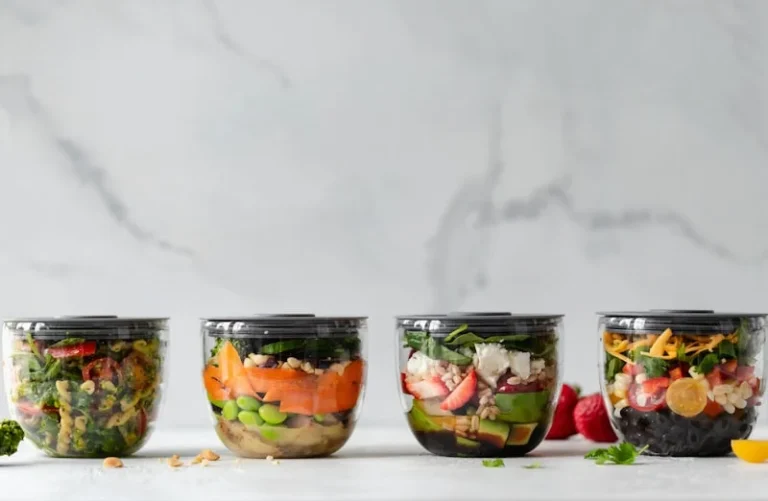
Wednesday: batch-cooked chilli from the freezer with rice.
Thursday: omelette or fried rice using frozen mixed vegetables.
Friday: chicken or vegetarian protein with frozen peppers in wraps.
Saturday: soup, toasties or leftovers using frozen bread.
Sunday: cook one double meal and freeze two portions for next week.
The important habit is the Sunday reset. Check what is already frozen, choose two items to use, and freeze one useful item for the following week. That keeps the freezer moving instead of becoming a place where old food disappears.
Food safety rules that protect the saving
Food safety is where a freezer plan needs discipline. The Food Standards Agency gives guidance on chilling and freezer handling, including the need to keep chilled food cold and follow storage instructions. Freezing pauses bacterial growth, but it does not repair food that has already been kept badly or left out too long.
Use-by dates matter. If a food has a use-by date, freeze it before that date passes and follow the label instructions. Do not treat the freezer as a way to rescue food that has already become unsafe.
Cool cooked food before freezing, but do not leave it sitting out for long periods. Divide large dishes into shallow containers so they cool faster, label them with the contents and date, and freeze in portions that match real meals.
Defrosting also affects whether the plan is useful. Food that needs safe defrosting should be moved to the fridge in time, not left forgotten on the worktop. If you often forget to defrost, choose more freezer foods that cook from frozen, such as vegetables, some fish portions, bread for toast and clearly labelled single portions.
When fresh food is still the better choice
Fresh food is still the better choice when texture, flavour or immediate use matters. Salad leaves, cucumbers, fresh tomatoes for salads, herbs for finishing dishes, and many raw vegetables do not always freeze well at home. If you know you will eat them within a few days, fresh can be the better buy.
The NHS healthy eating guidance encourages a balanced diet with plenty of fruit and vegetables, starchy foods, protein and appropriate portions of dairy or alternatives. A freezer plan should support that pattern rather than replace it with ultra-processed frozen meals. Frozen vegetables, fruit and plain protein can fit well into a balanced diet, while heavily salted or high-fat convenience products should still be checked on the label.
Fresh is also better when it prevents boredom. If every meal feels like a freezer meal, the plan will collapse. A small amount of fresh produce can make frozen staples feel like real dinners: fresh lemon on fish, coriander on curry, tomatoes with eggs, or a crunchy salad beside a batch-cooked stew.
A short checklist before trying it
Before the next shop, write down three freezer foods you already own and build meals around them. Then choose only two or three new frozen items that solve a real waste problem in your home.
Check that the freezer has space before buying large packs. Label anything homemade with the dish name and date. Freeze bread early, not when it is already stale. Portion meat, fish or vegetarian protein before freezing so you are not forced to defrost more than you need.
At the end of the week, judge the plan by waste and behaviour, not by the size of the freezer drawer. Did you throw away less food? Did you avoid a top-up shop? Did at least one frozen meal prevent a more expensive fallback? If the answer is yes, the plan is working. If the freezer is fuller but the bin and receipts look the same, the shop needs to be smaller and more specific next week.
Source: Food Standards Agency
Source check How this guide was checked
This guide applies public food safety and healthy eating guidance to a practical one-week supermarket freezer plan.
- Food safety points were checked against Food Standards Agency chilling and freezer guidanc...
- Healthy eating context was checked against NHS Eat Well guidance.
- Cost examples focus on waste reduction and shopping behaviour, not guaranteed savings.
- Source
- Food Standards Agency
- Scope
- United Kingdom
- Updated
- 2026-05-26 00:15
Source check
Report a trust issue
Send a clear signal to community moderation if the source, facts or context need review.
Article contextPeople & topics#6
What do you think about this article?
Reader Ideas Newsroom
Have a sharper angle for this topic? Add it to the community idea board and let readers vote it up for editorial review.





/linkComments
8+ useful words can earn +10-60 DP; shorter replies can still publish without DP.