
Cornwall is implementing a comprehensive overhaul of its core services, targeting housing shortages and transport efficiency as part of its 2026 operational strategy. The updates span seven key sectors, reflecting a shift toward localized support and sustainable infrastructure across the county.
📌 Svarbiausi akcentai
* Expansion of the „Together for Families” social care framework for vulnerable households.
* New environmental benchmarks for all municipal planning and housing developments.
* Prioritization of rural connectivity within the transport and waste sectors.
* Budget transparency initiatives focusing on the local Cornwall economy.
New housing and community support frameworks
The „Together for Families” initiative is being expanded to provide more robust social care. This follows a trend in regional governance where local authorities are taking a more defensive stance on land use, mirroring regional planning disputes seen in other parts of the country. The council aims to prioritize affordable housing for local workers to combat the ongoing displacement caused by the second-home market, ensuring that communities remain viable for long-term residents.
Transport network upgrades and waste strategy
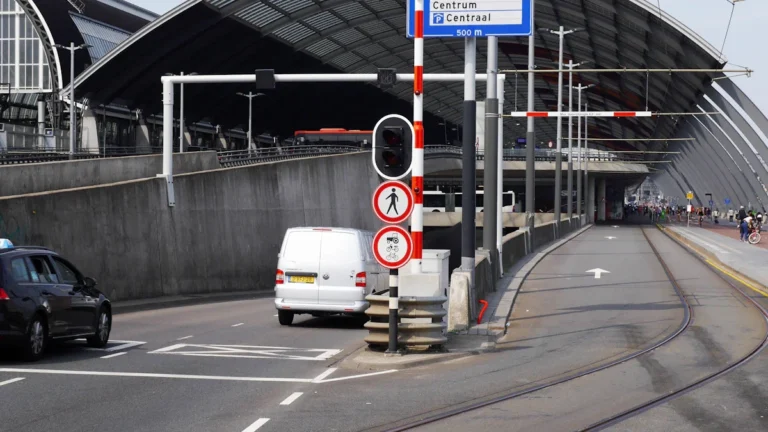
Commuters across the county will see changes in road management and waste collection schedules. The transport strategy includes a push for better connectivity between rural hubs and urban centers to reduce isolation. While some areas are seeing urban parking closures to make way for pedestrian zones, Cornwall is focusing on maintaining street access while improving waste disposal efficiency through modernized collection routes.
| Service Sector | 2026 Strategic Focus |
|---|---|
| Communities & Housing | Affordable local occupancy and family support |
| Transport & Streets | Rural connectivity and waste collection efficiency |
| Health & Wellbeing | Integrated social care and mental health hubs |
| Environment | Carbon neutral planning and cultural preservation |
| Economy | Local business grants and budget transparency |
Economic planning and environmental targets
The budget for the upcoming fiscal year emphasizes a transition toward a greener economy. Planning departments are now required to vet all new developments against strict environmental impact benchmarks. This includes the preservation of cultural heritage sites and the integration of green spaces into new urban designs. Funding has been allocated to support local businesses in adopting more sustainable practices, ensuring the regional economy remains resilient against national fluctuations.
Official documents indicate that the next phase of the service rollout will begin in the second quarter, with public consultations scheduled for the environment and planning sectors.
Frequently Asked Questions
Why is Cornwall overhauling its housing and transport strategy for 2026?
The shift is a strategic response to the county’s growing housing crisis and the isolation of rural communities. By pivoting toward a ‘localized support’ model, the council aims to stop the displacement of residents caused by the second-home market and modernize infrastructure to support a year-round economy rather than just seasonal tourism.
How can residents qualify for the new affordable housing priority schemes?
Under the new framework, priority is strictly given to those with a verified local connection—typically defined by current residency, local employment, or immediate family ties. Residents should ensure they are registered on the Cornwall Homechoice register and keep their household data updated to align with the new ‘Together for Families’ benchmarks.
How will the transport and waste strategy changes impact daily routines?
Residents can expect modernized collection routes designed to reduce carbon emissions, which may result in shifted collection days for some parishes. For commuters, the focus is on ‘rural-to-urban’ connectivity; unlike other regions closing urban parking, Cornwall is prioritizing maintained street access while increasing the frequency of bus and rail links between remote hubs and town centers.
What are the next steps for residents to track these service updates?
The transition begins in late 2024, leading into the full 2026 operational rollout. Residents should monitor the Cornwall Council’s ‘Let’s Talk Cornwall’ portal for upcoming public consultations. These sessions will allow locals to provide feedback on specific municipal planning benchmarks and budget transparency initiatives before they are finalized.
Source: Cornwall Council