Glasgow motorists are set for smoother journeys as the city initiates a £30 million road maintenance phase. The local authority finalized contracts this week to address deteriorating surfaces across the metropolitan area, marking a significant escalation in the city’s infrastructure repair efforts.
📌 Key Highlights
* Total Investment: Up to £30 million allocated for resurfacing works.
* Scope: City-wide coverage focusing on major arterial routes and high-traffic corridors.
* Objective: Improving road safety and reducing vehicle wear and tear for residents.
* Implementation: Contracts awarded to specialized civil engineering firms for immediate deployment.
Financial Breakdown of the Resurfacing Programme
The procurement process concluded with the selection of multiple contractors to handle various sectors of the city’s road network. This multi-vendor approach ensures that work can proceed simultaneously across different districts, minimizing the timeframe for city-wide disruption.

| Feature | Project Detail |
|---|---|
| Total Contract Value | £30,000,000 |
| Geographic Reach | All Glasgow municipal districts |
| Material Standard | High-durability weather-resistant asphalt |
| Primary Focus | Major roads and public transport routes |
Impact on Glasgow Commuter Networks
The investment targets the city’s most heavily used transport links. By prioritizing high-traffic zones, the programme aims to decrease the frequency of emergency pothole repairs, which often cause unexpected traffic congestion. This proactive approach utilizes durable materials designed to withstand the increased rainfall and temperature fluctuations observed in recent Scottish winters.
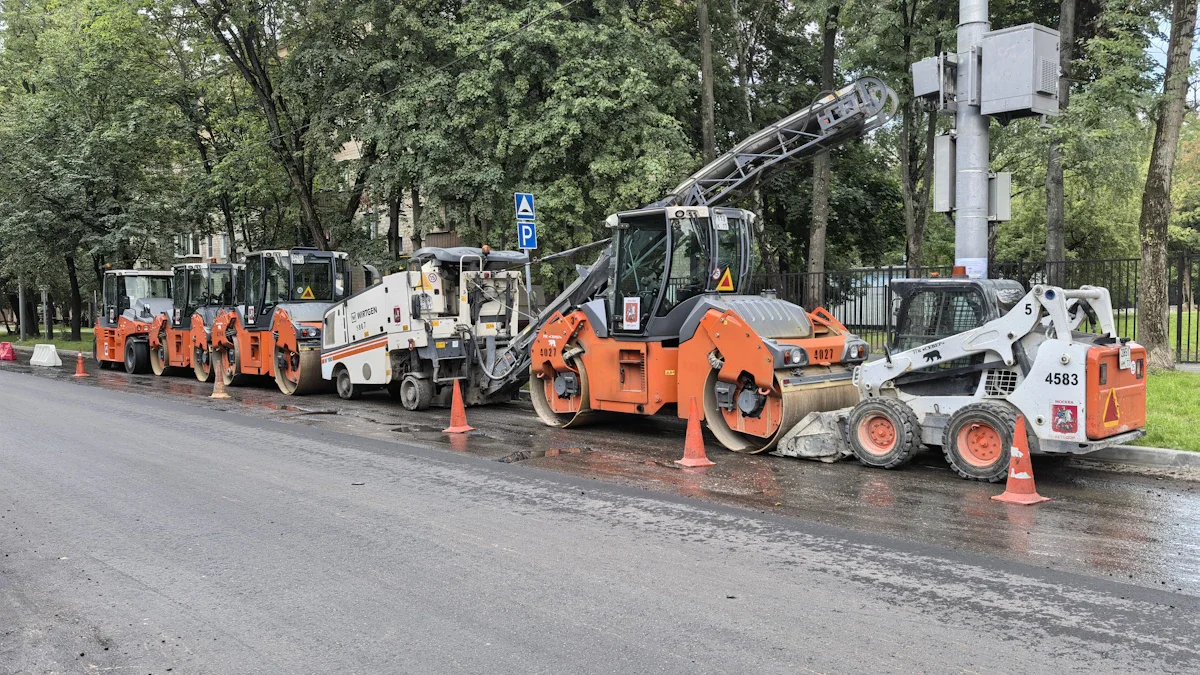
Engineering teams will deploy specialized machinery to strip old layers of bitumen before applying high-grip, noise-reducing surfaces. These upgrades are expected to extend the lifespan of the road crust by over a decade, reducing the long-term maintenance burden on the public purse. Work schedules are being coordinated to avoid peak travel times where possible, though residents should anticipate localized diversions as the resurfacing machinery moves through specific neighborhoods.
Frequently Asked Questions
Why is Glasgow investing £30 million into road resurfacing right now?
The city is shifting from reactive pothole patching to a proactive infrastructure strategy. Following several harsh Scottish winters that accelerated road decay, this £30 million investment funds the application of high-durability, weather-resistant asphalt. The goal is to extend the lifespan of major routes by over a decade, ultimately reducing the long-term cost to taxpayers and improving safety for all road users.
How can I check if my commute or local street is scheduled for repairs?
While the project prioritizes major arterial routes and public transport corridors, you can monitor specific locations via the Glasgow City Council’s ‘Roadworks & Closures’ map or the ‘Traffcom’ bulletin. For residential streets not covered in this phase, drivers should use the MyGlasgow app to report defects, as high-report areas are often prioritized in secondary maintenance cycles.
What impact will these works have on daily traffic and vehicle maintenance?
In the short term, motorists should expect localized diversions as engineering teams strip old bitumen layers. However, the use of noise-reducing, high-grip surfaces will provide immediate benefits once complete. By eliminating deep potholes and uneven crusts, the project aims to significantly reduce common vehicle issues like tyre bulges and suspension damage, lowering maintenance costs for Glasgow car owners.
When does the work start and where can I find the latest schedule?
Deployment is slated for immediate commencement following the finalization of multi-vendor contracts this week. Because the city has hired multiple specialized firms to work simultaneously, the timeframe for disruption is minimized. To stay informed, residents should check the Glasgow City Council website for weekly ‘Works Ahead’ schedules and sign up for local community council alerts for neighborhood-specific start dates.
Source: Glasgow City Council